
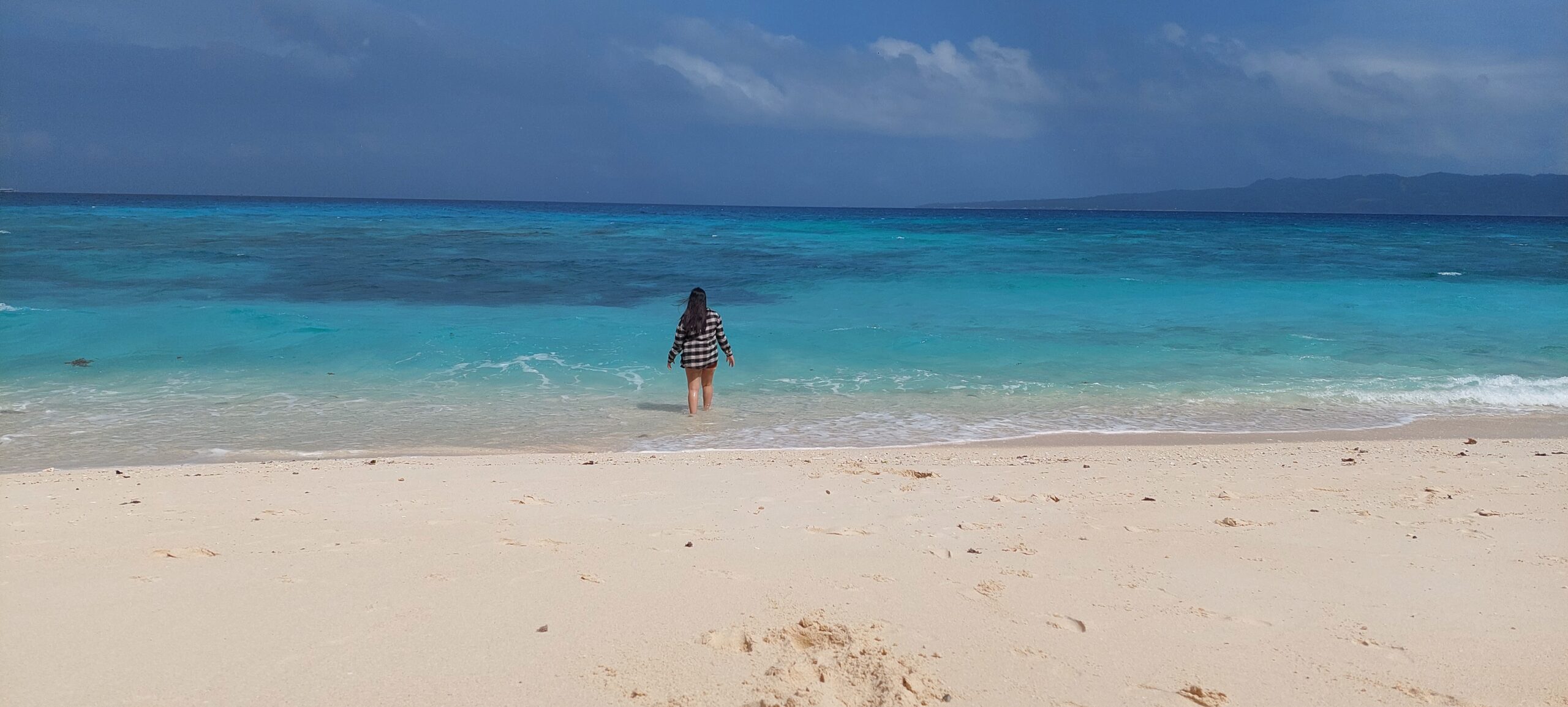
I was pleasantly surprised to see the Philippines named the world’s No. 1 retirement destination for 2026.
The Philippines No. 1 Retirement Destination 2026 ranking is encouraging, but it is also worth looking beyond the headline to understand what retirement here is actually like.
According to the Philippine News Agency, the country ranked first in the Retirement Abroad Index 2026 by Expatriate Group, earning a score of 78 out of 100. The index evaluated retirement destinations across areas including healthcare quality, visa accessibility, health-insurance requirements, cost of living, and expat community and integration. The Department of Tourism and the Philippine Retirement Authority welcomed the recognition as another sign of the Philippines’ growing reputation as a destination for foreign retirees.
For the Philippines, this is good news. But it also raises an important question:
Is the Philippines really one of the best places in the world to retire?
From my perspective, the answer can be yes—but not simply because of sunshine, beaches, or lower living costs.
The Philippines becomes a good retirement destination when the retiree chooses the right location, understands the real cost of living, has access to healthcare, prepares the right visa, and builds a lifestyle that is both comfortable and meaningful.
Table of Contents
Philippines No. 1 Retirement Destination 2026: Why It Ranked First
As someone familiar with life in both Korea and the Philippines, I can understand why the country attracts retirees.
The Philippines offers several advantages that are difficult to combine in one place:
- warm weather throughout most of the year;
- widespread use of English;
- relatively affordable living costs compared with many developed countries;
- friendly communities;
- a large choice of cities, beaches, mountains, and provincial areas;
- international food and shopping in major cities;
- and established foreign communities in many popular locations.
For someone coming from a colder or more expensive country, the Philippines can offer a very different lifestyle.
Retirement here does not necessarily mean living on a remote beach.
A retiree can live in a modern condominium in Metro Manila, spend weekends in Tagaytay or Baguio, travel to Cebu or Palawan, eat international food, hire household assistance, and communicate in English in many everyday situations.
That flexibility is one of the Philippines’ biggest strengths.
English Makes Daily Life Easier
One advantage that is sometimes underestimated is communication.
English is widely used in government, business, education, healthcare, hotels, restaurants, and many everyday services.
For a retiree, this matters.
Going to a hospital, talking to a landlord, arranging transportation, opening accounts, dealing with service providers, or simply asking for help becomes much easier when there is a common language.
For many foreigners, this can make the Philippines feel more accessible than destinations where language becomes a major daily barrier.
The Philippines Offers Many Different Retirement Lifestyles
Another advantage is that retirees are not limited to one type of environment.
Metro Manila provides access to:
- major hospitals;
- international airports;
- embassies;
- shopping malls;
- international restaurants;
- business services;
- and large foreign communities.
But not everyone wants to retire in Manila.
Some may prefer Cebu because it combines urban services with easier access to beaches.
Others may prefer Clark or Subic for road access, airports, and a more spacious environment.
Baguio attracts people who prefer a cooler climate.
Dumaguete, Iloilo, and other provincial cities may appeal to retirees who want a slower pace of life and potentially lower costs.
The best retirement location is therefore not always the cheapest one.
For many retirees, the right place is the one that offers the best balance between:
comfort, healthcare, transportation, social life, cost, and personal happiness.
If you are still deciding whether the country fits your long-term plans, our guide to Retirement in the Philippines looks more broadly at the advantages, challenges, lifestyle, and practical considerations of retiring here.
Cost of Living Can Be Attractive—but It Depends on Lifestyle
Lower living costs are one reason many foreigners consider retirement in the Philippines.
But saying that the Philippines is simply “cheap” can be misleading.
A retiree who eats mostly local food, rents outside the most expensive districts, and lives relatively simply may have very different expenses from someone who lives in a premium BGC condominium, eats imported food, owns a car, travels frequently, and uses private healthcare.
Housing, electricity, imported food, insurance, transportation, and medical care can all become significant expenses.
The advantage of the Philippines is therefore not necessarily that everything is inexpensive.
The advantage is that retirees can often choose from a wide range of lifestyles and budgets.
That flexibility can be very valuable.
Retirement in the Philippines Should Not Be Romanticized
The Philippines is beautiful, but everyday life is not always easy.
Traffic can be exhausting.
Government procedures may take time.
Public transportation varies greatly by location.
Infrastructure is much stronger in some cities than in others.
Weather can affect travel and daily life.
And access to quality healthcare can be very different depending on where a retiree chooses to live.
A good retirement plan needs to consider ordinary daily life—not just what a place feels like during a two-week vacation.
A young traveler may tolerate inconvenience.
A retiree planning to live in the country for 10, 20, or 30 years needs to think differently.
Healthcare May Be the Most Important Consideration
For retirees, healthcare should be one of the first questions—not the last.
Major private hospitals in Metro Manila, Cebu, and several other urban centers can provide high-quality medical services.
But treatment can also become expensive, particularly without adequate insurance.
In smaller cities and rural areas, routine healthcare may be available, but access to specialists, advanced diagnostics, emergency services, or major hospitals may be more limited.
The Retirement Abroad Index itself included healthcare among its evaluation categories, which shows how central medical access is to retirement decisions.
Before choosing where to retire, I would ask:
- Where is the nearest major hospital?
- Does it have specialists I may eventually need?
- What does my health insurance cover?
- How much would emergency treatment cost?
- Is there a 24-hour pharmacy nearby?
- How would I reach the hospital during an emergency?
A beautiful retirement location becomes much less attractive if serious medical care is hours away.
The SRRV Can Make Long-Term Retirement Easier
The Philippines also has a dedicated retirement program administered by the Philippine Retirement Authority (PRA). The PRA manages the Special Resident Retiree’s Visa (SRRV) program for qualified foreign nationals and former Filipino citizens who want to live and retire in the Philippines long term.
The Special Resident Retiree’s Visa (SRRV) is a special non-immigrant visa issued through the Philippine retirement program and is designed for qualified foreign nationals and former Filipino citizens who want to live in the country long term. The PRA describes the SRRV as allowing retirees to stay in the Philippines under its retirement program, subject to applicable requirements.
For retirees considering a permanent or long-term move, visa stability can be an important advantage.
However, eligibility, deposits, fees, documentation, and program rules should always be checked directly with the PRA because requirements can change.
For a more detailed explanation of eligibility, deposits, fees, dependents, application requirements, and the overall process, see our SRRV Philippines 2026: Complete Retirement Visa Guide.
For Korean Retirees, the Transition Can Be Relatively Easy
For Koreans, the Philippines has several practical advantages.
Major cities have:
- Korean restaurants;
- Korean grocery stores;
- Korean churches;
- Korean communities;
- Korean-speaking services;
- and frequent air connections with Korea.
This can make the transition easier than moving to a country where everything—from food to language to social networks—is unfamiliar.
At the same time, I would not recommend choosing the Philippines only because other Koreans already live here.
The retiree still needs to decide whether the lifestyle personally fits.
Do Not Buy Property After One Vacation
For anyone seriously considering retirement in the Philippines, I would recommend a trial period first.
Do not immediately buy property.
Do not make a permanent move after one enjoyable vacation.
Instead, spend several months experiencing ordinary life.
Try different places.
For example:
- Metro Manila;
- Clark;
- Baguio;
- Cebu;
- and perhaps one quieter provincial city.
During that period, experience more than restaurants and sightseeing.
Go grocery shopping.
Use local transportation.
Visit a hospital.
Pay an electricity bill.
Experience traffic.
Stay through heavy rain.
Check internet reliability.
Calculate your actual monthly spending.
See whether you can build friendships and a routine.
After three to six months, you will understand much more about whether the Philippines actually suits you.
If you are already seriously considering a move, our Preparing for Retirement in the Philippines guide can help you think through housing, healthcare, finances, location, and other practical decisions before relocating.
A Good Retirement Needs More Than a Good Location
I also believe retirement should not mean simply “doing nothing.”
People need purpose.
For some retirees, that may mean golf.
For others:
- scuba diving;
- volunteering;
- travel;
- learning;
- writing;
- consulting;
- gardening;
- community activities;
- or operating a small business.
A beautiful environment is valuable, but without purpose and social connection, retirement abroad can eventually become lonely.
The best retirement lifestyle is not simply about escaping work.
It is about building a new daily life that still feels meaningful.
Retirement costs can vary significantly depending on housing, location, healthcare, transportation, food, and lifestyle. Our guide to the Cost of Living in the Philippines in 2026 provides more detailed examples of realistic monthly expenses.
What the No. 1 Ranking Means for the Philippines
Being recognized as the world’s top retirement destination is a valuable opportunity for the Philippines.
It can attract:
- retirees;
- tourism;
- foreign investment;
- retirement communities;
- healthcare investment;
- property development;
- and new services designed for long-term foreign residents.
But recognition also brings responsibility.
If the Philippines wants to build a genuine reputation as a world-class retirement destination, continued improvements will matter in areas such as:
- healthcare access;
- public safety;
- transportation;
- consumer protection;
- digital government services;
- immigration procedures;
- and infrastructure outside major cities.
A retirement ranking can bring attention.
The long-term reputation of the country will depend on the actual experience of retirees who live here.
My Personal View
I think the Philippines deserves to be considered seriously as a retirement destination.
It is not perfect.
No country is.
But the Philippines offers something that many retirees are searching for after decades of working:
warmth, human connection, flexibility, affordability, and the possibility of building a very different kind of life.
For the right person, the Philippines can provide an excellent retirement.
But I would not ask only:
“Is the Philippines the best country in the world to retire?”
I would ask a more useful question:
“Can I build a safe, healthy, meaningful, and financially sustainable life in the Philippines?”
For many retirees, the answer can absolutely be yes.
But that yes should come after careful planning, realistic budgeting, healthcare preparation, and real experience living in the country.
The No. 1 ranking is something the Philippines can be proud of.
For prospective retirees, however, the best reason to choose the Philippines should not be a ranking.
It should be because, after experiencing real daily life here, the country genuinely feels like the right place to begin the next chapter of life.
Sources
The Philippine News Agency (PNA) reported that the Philippines ranked first in Expatriate Group’s Retirement Abroad Index 2026 with a score of 78/100.
The Department of Tourism (DOT) announcement said the index assessed 20 countries across five categories—healthcare quality, visa accessibility, health-insurance requirements, cost of living, and expat community and integration—and placed the Philippines first overall.
The Philippine Retirement Authority (PRA) also highlights the country’s 2026 No. 1 retirement-destination recognition and provides official information about the SRRV retirement program.
Leave a Reply