
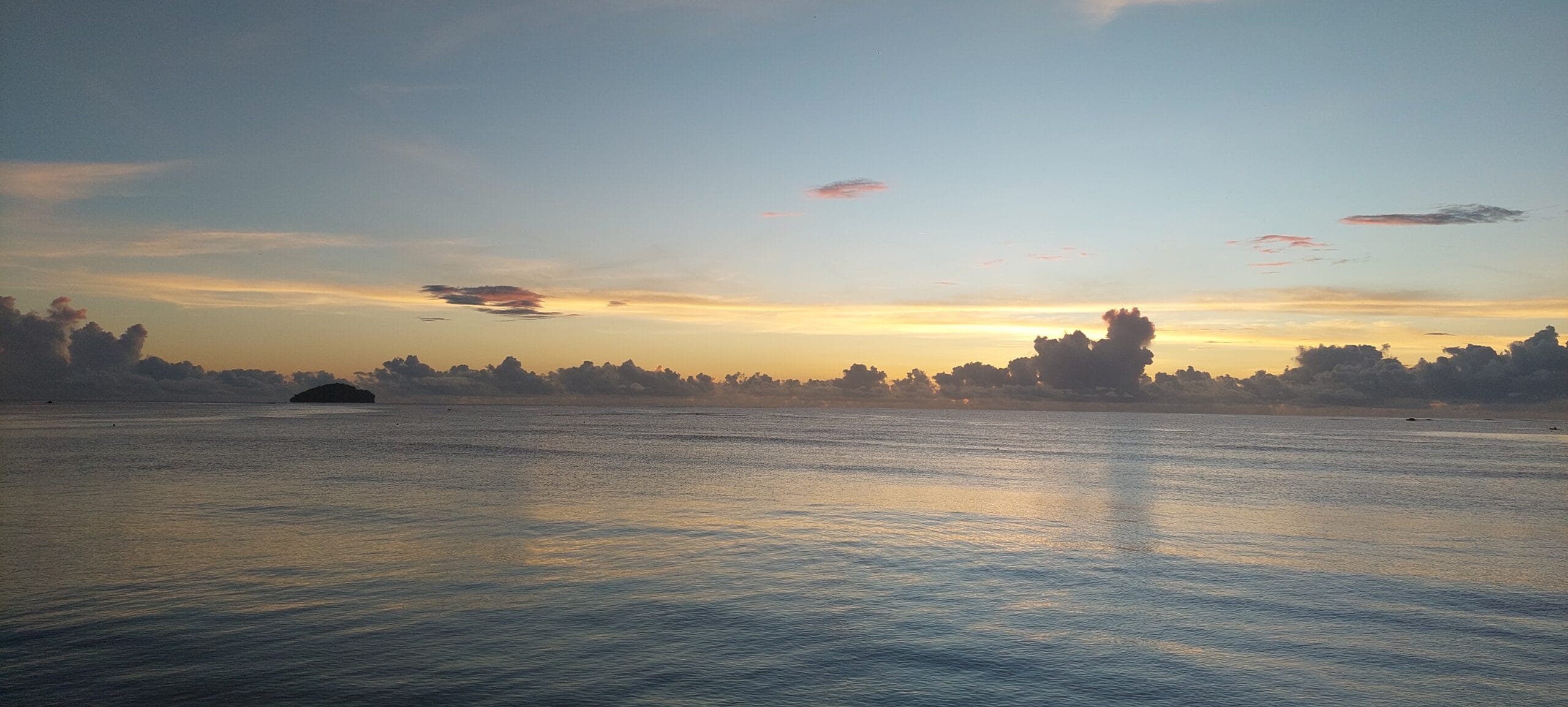
Retirement is no longer simply about stopping work. For many people, it is an opportunity to choose where and how they want to spend the next stage of life.
Some retirees want lower living costs. Others want warm weather, beaches, good food, easier access to domestic help, or a slower pace of life. Some want to live close to large cities and modern hospitals while still being able to escape to an island or mountain town for a weekend.
Retirement in the Philippines: The Short Answer
The Philippines offers an unusual combination of these qualities.
It is not a perfect retirement destination. Traffic can be difficult, infrastructure varies considerably from one place to another, electricity can be expensive, and government procedures sometimes require patience.
But for the right person, the Philippines can offer a lifestyle that would be difficult or considerably more expensive to reproduce in many other countries.
The country also has an established retirement program through the Philippine Retirement Authority. Its Special Resident Retiree’s Visa, or SRRV, provides qualified foreign nationals with a long-term residence option.
Here are 12 reasons why the Philippines deserves serious consideration as a retirement destination.
Retirement in the Philippines at a Glance
- Best for: Retirees who value warm weather, English communication, flexible living costs, beaches, and an active social environment
- Popular locations: Metro Manila, Cebu, Dumaguete, Tagaytay, Baguio, Iloilo, and selected provincial or coastal areas
- Long-term visa option: Special Resident Retiree’s Visa (SRRV) for qualified applicants
- Minimum SRRV age: Generally 40 under the current expanded SRRV program
- Language advantage: English is widely used in daily life, business, healthcare, and government
- Housing: Condominiums are common in major cities; houses and larger properties may be more affordable outside premium urban areas
- Healthcare: Strongest access to private hospitals and specialists is generally found in major cities
- Climate: Tropical and warm throughout most of the country, with cooler alternatives such as Baguio and Tagaytay
- Biggest advantages: Lifestyle flexibility, English communication, domestic travel, and multiple choices of where to live
- Main challenges: Traffic, heat and humidity, uneven infrastructure, natural hazards, and bureaucracy
- Best advice: Rent first and experience normal daily life before making a major property or relocation commitment
Table of Contents
1. Your Retirement Budget Can Go Further
For many foreign retirees, one of the biggest attractions of the Philippines is the possibility of maintaining a comfortable lifestyle without the level of spending required in more expensive countries.
Housing is a good example.
A retiree does not necessarily need to live in a premium condominium in BGC or Makati. There are many alternatives in Metro Manila and in cities such as Cebu, Dumaguete, Iloilo, Bacolod, Davao, Tagaytay, and other provincial areas.
The difference in cost between locations can be substantial.
Someone who wants modern city living, restaurants, malls, private hospitals, and condominium amenities can choose one lifestyle.
Someone who prefers a quieter provincial city, a larger home, local markets, and a slower daily routine can choose another.
This flexibility is important because retirement budgets are very personal.
A person receiving a modest pension may choose a smaller provincial city, while someone with greater financial resources may prefer a modern condominium, frequent restaurant meals, private healthcare, domestic travel, and regular international trips.
The important point is not that the Philippines is universally “cheap.”
It is that retirees can choose from a very wide range of lifestyles and budgets.
For a detailed breakdown, see our guide to Cost of Living in the Philippines in 2026.
2. English Makes Everyday Life Much Easier
Language can become one of the biggest challenges when retiring overseas.
The Philippines has a major advantage in this area.
English is one of the country’s official languages under the Philippine Constitution, together with Filipino.
English is widely used in business, education, government documents, healthcare, shopping malls, restaurants, banking, and many other areas of everyday life.
A foreign retiree does not need to become fluent in Filipino immediately just to handle basic daily activities.
You can often communicate with:
- Doctors
- Nurses
- Bank employees
- Real-estate agents
- Hotel staff
- Restaurant employees
- Government offices
- Drivers
- Shop employees
- Building management
in English.
Of course, learning some Filipino or the local language is still worthwhile. Even a few basic phrases can help build relationships and show respect for the local culture.
But compared with retiring in a country where very little English is spoken, the adjustment can be considerably easier.
3. Filipinos Are Generally Comfortable Around Foreigners
The Philippines has a long history of international contact, migration, overseas employment, tourism, and multicultural families.
Foreigners are therefore not unusual in many parts of the country.
In places such as Metro Manila, Cebu, Angeles, Subic, Dumaguete, Boracay, and many other destinations, foreign residents are part of everyday life.
This can make the transition into retirement easier.
It does not mean that every cultural difference disappears. Foreign retirees still need to understand Filipino customs, family relationships, communication styles, and local expectations.
But in many situations, foreigners can settle into everyday life without feeling completely isolated from the surrounding community.
One of the things many long-term residents eventually appreciate is how easy it can be to have casual conversations with people.
A short interaction with a security guard, neighbor, restaurant employee, Grab driver, or shop owner can quickly become friendly and personal.
For retirees, particularly those living alone, these everyday human interactions can make an important difference.
4. Warm Weather All Year Round
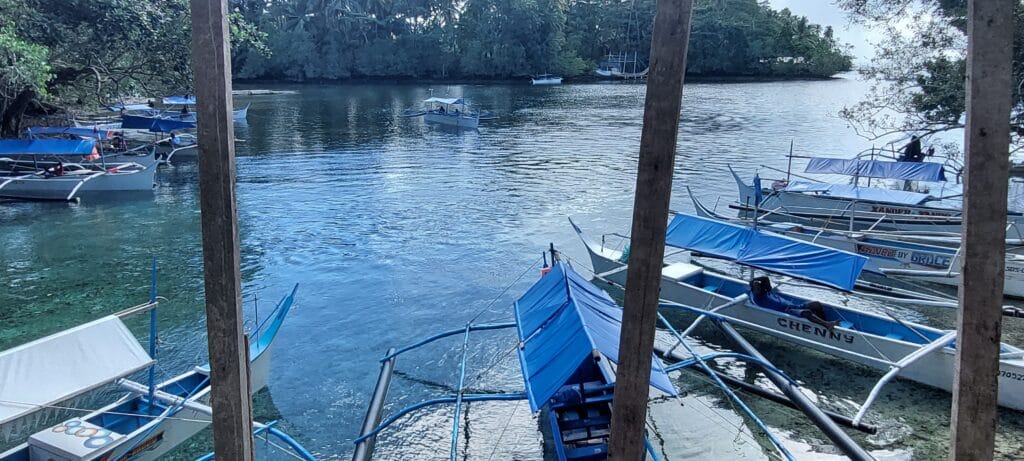
For people who are tired of long winters, snow, freezing temperatures, or spending several months indoors every year, the Philippines offers a very different lifestyle.
The country has a tropical climate.
This means warm temperatures throughout the year in most locations.
For many retirees, this creates a lifestyle centered more around:
- Walking
- Swimming
- Golf
- Gardening
- Outdoor dining
- Beaches
- Weekend travel
- Resort stays
- Morning exercise
There is no winter season requiring heavy clothing, home heating, icy roads, or snow removal.
However, tropical weather also has disadvantages.
The Philippines can be hot and humid. Air-conditioning becomes important for many foreign residents, and the rainy season can bring heavy rainfall and typhoons.
This is another reason why location matters.
A retiree who enjoys cooler weather can consider elevated areas such as Baguio or Tagaytay rather than living permanently in a hotter coastal city.
5. You Can Live Close to Some of the World’s Most Beautiful Tropical Destinations
One of the great advantages of retiring in the Philippines is that travel does not necessarily require leaving the country.
The Philippines is an archipelago with thousands of islands and an enormous variety of landscapes.
Retirees can spend time exploring:
- Palawan
- Boracay
- Bohol
- Siargao
- Cebu
- Batangas
- Baguio
- Sagada
- Siquijor
- Camiguin
- Iloilo
- Negros
- Mindoro
and many less-developed destinations.
A person living in Metro Manila can spend weekdays in the city and travel to a beach, mountain town, resort, or provincial destination during the weekend.
A retiree living in Cebu or another regional city may have even easier access to islands and coastal areas.
This variety is important.
Retirement can last 20 or 30 years.
Living somewhere with many different places to explore can keep life interesting long after the initial excitement of moving overseas has disappeared.
6. There Are Many Different Places to Retire
The Philippines is not one retirement destination.
It is many very different destinations within one country.
Metro Manila
Best for retirees who want:
- Major private hospitals
- International restaurants
- Shopping
- Airports
- Business services
- Modern condominiums
- Entertainment
The trade-off is traffic, higher housing costs, and a faster pace of life.
Cebu
Cebu offers a combination of city life and easier access to beaches and islands.
It has major hospitals, shopping centers, condominiums, international connections, and a substantial foreign community.
Dumaguete
Dumaguete has long attracted retirees who prefer a smaller city and a slower lifestyle.
It provides access to Negros Oriental and nearby destinations such as Siquijor.
Tagaytay
Tagaytay is popular with people who want cooler temperatures while remaining relatively close to Metro Manila.
Baguio
Baguio offers something very different from the typical tropical image of the Philippines.
Its mountain climate and cooler temperatures can appeal to retirees who do not enjoy constant tropical heat.
Provincial and Coastal Areas
Others may prefer a smaller coastal community or provincial town where life is quieter and housing may be more affordable.
The important thing is to avoid choosing a retirement location simply because someone else recommends it.
Spend time there first.
Retirement destinations should be chosen according to your own lifestyle.
7. Private Healthcare Is Available in Major Cities
Healthcare becomes increasingly important as people get older.
The Philippines has major private hospitals and medical centers, particularly in Metro Manila and other large cities.
For retirees, the important question is not simply whether healthcare exists in the country.
It is how close you live to the healthcare you may eventually need.
A healthy 55-year-old may happily live on a remote island.
At 75, having a major hospital nearby may become much more important.
This is why retirees should consider medical access when choosing a permanent location.
Before moving, investigate:
- Nearby hospitals
- Specialist availability
- Emergency services
- Health insurance
- Prescription medicine availability
- Travel time to major medical centers
Healthcare quality and availability can vary substantially outside major urban areas.
For some retirees, this is a strong reason to live in or near Metro Manila, Cebu, Davao, Iloilo, or another regional medical center rather than in an isolated destination.
8. Domestic Help and Personal Services Can Make Daily Life Easier
Another lifestyle difference that some foreign retirees notice is the availability of household and personal services.
Depending on location and budget, retirees may hire help for:
- House cleaning
- Laundry
- Cooking
- Gardening
- Driving
- Property maintenance
- Caregiving
This can become increasingly valuable as people age.
However, hiring household staff means becoming an employer, even if the arrangement feels informal.
There may be legal obligations, wages, benefits, days off, and other responsibilities.
Reliable household help can dramatically improve quality of life.
Poorly managed arrangements can create just as many problems.
Retirees should therefore approach household employment professionally and respectfully.
9. Food Is Diverse and Eating Out Can Be Part of Everyday Life
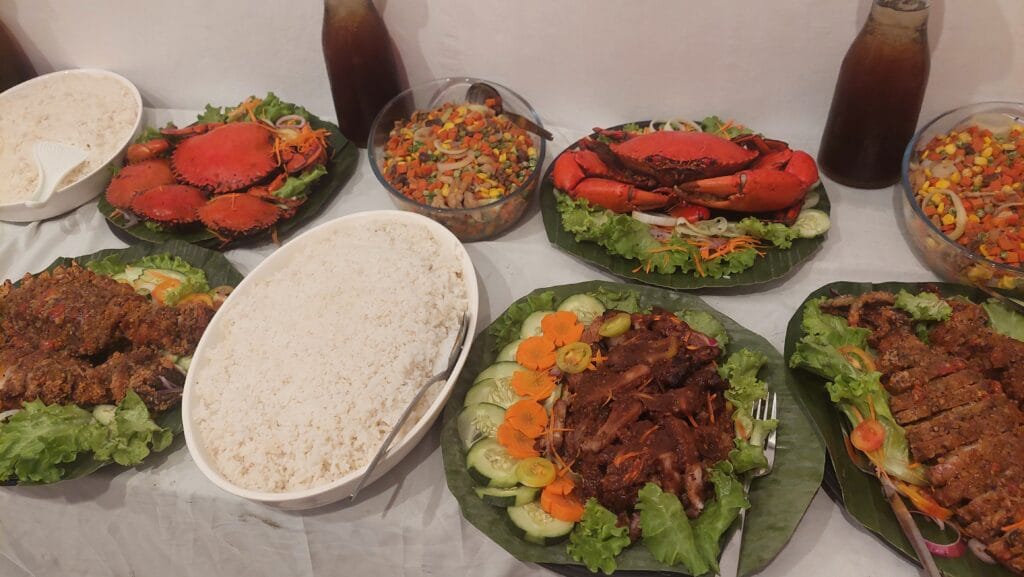
Food is another reason many people enjoy living in the Philippines.
Filipino cuisine itself varies considerably across regions, but major cities also offer Korean, Japanese, Chinese, American, Italian, Spanish, Indian, Thai, Vietnamese, and other international food.
In areas with large Korean communities, Korean supermarkets and restaurants can be surprisingly easy to find.
Fresh tropical fruit is another everyday advantage.
Depending on season and location, markets may offer mangoes, bananas, pineapples, papayas, coconuts, lanzones, rambutan, mangosteen, and many other fruits.
Seafood is also widely available.
Retirement becomes much more enjoyable when eating well is not limited to special occasions.
In many parts of the Philippines, restaurants, cafés, bakeries, food markets, and delivery services can become part of normal daily life.
10. Family-Oriented Culture Can Appeal to Retirees
Filipino society places considerable importance on family relationships.
For many retirees, particularly those married to Filipinos or with family connections in the country, this can become one of the strongest reasons to retire in the Philippines.
Family gatherings, birthdays, holidays, meals, and celebrations often involve large extended families.
Older family members are commonly included in family life rather than treated as separate from it.
This does not mean every family relationship is perfect.
Family obligations can sometimes be complicated, especially when money becomes involved.
Foreign retirees married into Filipino families should understand these expectations clearly and establish healthy financial boundaries.
But for retirees who value family interaction and social connection, the Philippines can offer a very different experience from societies where older people may live relatively isolated lives.
11. The SRRV Provides a Dedicated Long-Term Retirement Option
One of the Philippines’ most important advantages for qualified foreign retirees is the Special Resident Retiree’s Visa, commonly known as the SRRV.
The SRRV is administered by the Philippine Retirement Authority, while the visa itself is issued through the Bureau of Immigration. The program provides qualified applicants with a long-term residence framework and multiple-entry privileges.
Under the expanded SRRV program, applicants must meet age, financial, documentary, and other eligibility requirements, and PRA currently provides specific guidance for the program.
The SRRV is particularly attractive for people who want to make the Philippines a genuine long-term base rather than repeatedly relying on short-term visitor status.
However, it is not automatically the best choice for everyone.
Applicants should compare:
- SRRV
- Tourist status
- Marriage-based residence options
- Other appropriate immigration categories
before deciding.
Our detailed SRRV Philippines 2026: Complete Retirement Visa Guide explains the program, deposit requirements, dependents, fees, and application process.
12. Retirement in the Philippines Can Be as Active—or as Quiet—as You Want
Perhaps the strongest reason to consider the Philippines is the flexibility it offers.
Retirement does not have to mean living permanently beside a beach.
You can live in a modern condominium in Metro Manila.
You can move to a smaller city.
You can live near the sea.
You can spend part of the year in the mountains.
You can travel frequently.
You can play golf, learn diving, join community groups, start a small garden, explore restaurants, study Filipino, or simply enjoy having more time.
For some retirees, the Philippines becomes a place to slow down.
For others, retirement becomes more active than their working life ever was.
The country gives you the opportunity to design that lifestyle yourself.
Philippines vs Thailand vs Malaysia for Retirement
The Philippines is not the only Southeast Asian country attracting foreign retirees. Thailand and Malaysia are also popular choices, but each country offers a different combination of lifestyle, immigration options, language, healthcare, climate, and financial requirements.
| Factor | Philippines | Thailand | Malaysia |
|---|---|---|---|
| English in daily life | Major advantage; widely used | More limited outside tourist and expat areas | Widely used, especially in urban areas |
| Retirement/long-stay program | SRRV | Several long-stay and retirement visa routes | Malaysia My Second Home (MM2H) |
| Lifestyle | Islands, beaches, large cities, smaller provincial communities | Strong tourism infrastructure, beaches, major cities, northern mountain areas | Modern cities, multicultural environment, developed infrastructure |
| Healthcare | Good private healthcare in major cities; access varies outside them | Strong private healthcare reputation in major cities | Strong private healthcare in major cities |
| Cost flexibility | Very wide range depending on location and lifestyle | Wide range depending on destination | Wide range, although long-stay program financial requirements can be substantial |
| Property considerations | Foreigners generally cannot own land directly; condominium ownership is possible subject to legal restrictions | Foreign land ownership is restricted; condominium ownership is possible under conditions | Foreigners can purchase qualifying residential property subject to applicable rules |
| Climate | Tropical; cooler mountain alternatives exist | Tropical, with regional variation | Tropical |
| Best suited for | Retirees prioritizing English, social interaction, islands, and lifestyle flexibility | Retirees prioritizing tourism infrastructure, food, healthcare, and established expat destinations | Retirees prioritizing infrastructure, multicultural city life, and organized long-stay options |
There is no objectively “best” retirement country in Southeast Asia.
Thailand may appeal more to someone who values highly developed tourism infrastructure and an established expatriate scene. Malaysia may appeal to someone who values modern infrastructure and a multicultural urban environment.
The Philippines can be particularly attractive to retirees who place a high value on English communication, social interaction, island travel, and the ability to choose between major-city life and much quieter provincial communities.
The Philippines Is Not Perfect
A retirement guide should not pretend that everything is easy.
There are real disadvantages to living in the Philippines.
Traffic
Metro Manila traffic can seriously affect quality of life if you choose the wrong location.
Heat and Humidity
Some people never fully adjust to tropical weather.
Natural Disasters
Typhoons, flooding, earthquakes, and volcanic activity are realities in different parts of the country.
Infrastructure
Roads, sidewalks, internet reliability, electricity, water supply, and public transportation vary considerably by location.
Bureaucracy
Government procedures can sometimes take longer than newcomers expect.
Healthcare Outside Major Cities
Medical facilities in smaller towns may not provide the same range of specialist treatment available in major urban centers.
Foreign Property Ownership Rules
Foreigners face restrictions on land ownership and should understand Philippine property rules before making major investments.
These are not reasons to automatically reject the Philippines.
They are reasons to choose your location carefully and test the lifestyle before committing.
Who Is the Philippines Best Suited For?
The Philippines may be particularly attractive to retirees who:
- Prefer warm weather
- Want to live in Asia
- Value English communication
- Enjoy beaches and domestic travel
- Want flexibility in their monthly budget
- Prefer an active social environment
- Have Filipino family connections
- Want access to a dedicated retirement visa option
- Are comfortable adapting to a developing-country environment
- Can tolerate some inefficiency and unpredictability
It may be less suitable for someone who requires highly efficient public transportation, dislikes tropical weather, expects European-style pedestrian infrastructure everywhere, or becomes easily frustrated by bureaucracy.
Knowing yourself is as important as knowing the destination.
Rent Before You Buy
One of the most important pieces of advice for anyone considering retirement in the Philippines is:
Do not rush into buying property.
Rent first.
Spend several months living in the area.
Experience the rainy season.
Visit the hospital.
Try the local supermarkets.
Travel during rush hour.
Use the internet at home.
Walk around the neighborhood.
Talk to other residents.
Find out whether you actually enjoy normal daily life there rather than simply enjoying a two-week vacation.
A retirement destination should work on an ordinary Tuesday morning, not only while you are sitting beside a swimming pool during your first week in the country.
If you are considering condominium living in Metro Manila, our guide to Condo Living and Transportation in Manila for Newbies explains many of the practical issues new residents should consider.

Final Thoughts
The Philippines is not the right retirement destination for everyone.
But it offers something that few countries can provide in exactly the same combination: tropical weather, English communication, diverse places to live, relatively flexible living costs, extensive domestic travel opportunities, strong family culture, major-city healthcare, and a dedicated retirement residence program.
The biggest mistake is viewing the Philippines only as a cheap tropical country.
That misses the real attraction.
The Philippines gives retirees options.
You can choose city life or provincial life.
You can live simply or comfortably.
You can spend your days relaxing or traveling.
You can remain close to modern hospitals and shopping centers or move closer to beaches and mountains.
The best retirement destination is ultimately not the country that looks best in an online ranking.
It is the place where your finances, health, relationships, interests, and preferred lifestyle can work together over many years.
For the right retiree, the Philippines can be exactly that place.
Leave a Reply