
If you are considering retiring or living long-term in the Philippines, understanding the SRRV Philippines 2026 program is an important place to start. The Special Resident Retiree’s Visa (SRRV) is a special non-immigrant visa issued by the Bureau of Immigration through the Philippine Retirement Authority (PRA), allowing qualified applicants to stay in the Philippines on a long-term basis with multiple-entry privileges.
The SRRV can be attractive to foreign retirees who want greater stability than repeatedly extending a tourist visa. However, eligibility, required deposits, documentary requirements, fees, and available SRRV options depend on the applicant’s circumstances and may change over time.
The application itself is relatively simple and straightforward. However, preparing the required documents can be quite cumbersome, and the entire process may take some time. All the necessary information, including updated requirements and procedures, is available on the official website of the Philippine Retirement Authority: https://pra.gov.ph.
This guide explains the current SRRV requirements, benefits, application process, costs, dependents, and practical considerations to help you decide whether the program may be suitable for your retirement plans in the Philippines.
SRRV at a Glance
- Program: Special Resident Retiree’s Visa (SRRV)
- Administered by: Philippine Retirement Authority (PRA)
- Visa issued by: Bureau of Immigration
- General minimum age: 40 years old under the expanded SRRV program
- Stay: Indefinite, subject to maintaining SRRV requirements
- Entry: Multiple-entry privileges
- Dependents: Qualified spouse and eligible dependent children may be included
- Deposit: Amount varies according to the applicable SRRV option and applicant circumstances
- Best for: Foreign nationals and qualified former Filipino citizens considering long-term retirement or residence in the Philippines
SRRV rules and requirements can change. Applicants should always confirm the latest requirements directly with the Philippine Retirement Authority before applying.
Obtaining an SRRV is only one part of planning a comfortable retirement in the Philippines. Before making a long-term move, it is also useful to understand the broader realities of preparing for retirement in the Philippines, including housing, healthcare, transportation, and day-to-day living.
Table of Contents
What Is the SRRV?
SRRV stands for Special Resident Retiree’s Visa. It allows qualified foreign nationals to reside in the Philippines on a long-term basis without repeatedly extending an ordinary tourist visa. The SRRV is issued by the Bureau of Immigration, while applications are processed through the Philippine Retirement Authority, an agency attached to the Department of Tourism.
One of its main attractions is that qualified SRRV holders receive multiple-entry privileges and indefinite stay, provided they continue complying with the requirements of the program. For retirees who travel abroad frequently, the travel-tax exemption can also be a meaningful practical benefit. I personally find this especially useful because I travel internationally often.
In practical terms, a retiree can establish a home in the Philippines, travel abroad, return to the country, and avoid much of the recurring immigration administration associated with staying long-term as a tourist.
Who Can Apply for SRRV Philippines 2026?
Under the current PRA program, a principal applicant must generally be:
- At least 40 years old
- A qualified foreign national
- Legally admitted to the Philippines under a visa that can be converted to SRRV status
- Able to meet the required visa deposit and documentary requirements
- Able to pass the required medical, police, immigration, and background checks
The PRA currently states that foreign nationals aged 40 and above may qualify as principal applicants. This is particularly important because many older SRRV articles still state that applicants must be at least 50 years old. Those articles may now be outdated.
Can Your Family Join You?
Yes. An SRRV principal applicant may generally include qualified dependents. The PRA recognizes:
- A legally married spouse
- Unmarried dependent children below 21 years old at the time of application
The spouse does not have a separate minimum-age requirement.
Dependents can be included in the original application or, subject to PRA rules, added later after the principal applicant’s SRRV has been approved. This can make the SRRV particularly attractive for couples who intend to retire together. It should be noted that only 2 dependents are included to the principal application. Additional dependents should pay additional fees.
The Main SRRV Options in 2026
For most applicants, the two main categories to understand are: SRRV Classic and SRRV Courtesy.
1. SRRV Classic
For most foreign retirees, SRRV Classic is the most relevant option. It is available to both pensioners and non-pensioners. The required visa deposit is currently:
| Applicant | Age 40–49 | Age 50+ |
|---|---|---|
| Pensioner | US$25,000 | US$15,000 |
| Non-pensioner | US$50,000 | US$30,000 |
These amounts are confirmed by the current Philippine Retirement Authority requirements. This means age can make a substantial difference.
For example, a 48-year-old non-pensioner currently needs a US$50,000 visa deposit, while a non-pensioner aged 50 or above needs US$30,000.
What Counts as a Pensioner?
Receiving some form of retirement income does not automatically mean that an applicant qualifies for the lower pensioner deposit.
For SRRV Classic, PRA requires proof of a qualifying lifetime pension of at least:
US$800 per month for a single applicant or US$1,000 per month for an applicant with dependents.
The pension documentation must meet PRA requirements, and foreign-issued documents may require apostille or authentication.
Applicants should therefore ask PRA to pre-evaluate their pension documentation before assuming they qualify for the lower pensioner deposit.
2. SRRV Courtesy for Foreign Nationals
SRRV Courtesy is intended for certain applicants with special qualifications. According to PRA, qualifying categories can include:
- Retired diplomats
- Retired officers of international organizations recognized by the Philippine Department of Foreign Affairs
- Certain retired military personnel
- High achievers in fields such as academics
- Business
- Arts
- Culture
- Music
- Sports
- Philanthropy
PRA may require documents establishing that the applicant actually falls within one of these categories. The deposit is much lower than under SRRV Classic.
SRRV Courtesy Deposit for Foreign Nationals
| Applicant | Age 40–49 | Age 50+ |
|---|---|---|
| Pensioner | US$3,000 | US$1,500 |
| Non-pensioner | US$6,000 | US$1,500 |
For Courtesy applicants aged 40–49, additional pension or benefit documentation can apply depending on the applicant’s category. Because Courtesy eligibility is specialized, applicants should not assume they qualify merely because they previously held a senior professional position. PRA should confirm qualification.
Is the Visa Deposit a Fee?
The visa deposit is different from the non-refundable PRA processing fee. In general, the qualifying deposit may be returned when the applicant discontinues the application or properly terminates SRRV membership, subject to PRA procedures and any investment or other obligations attached to the deposit.
For SRRV Classic, the required dollar deposit is placed with a PRA-accredited bank. Under the SRRV Classic program, the deposit may be converted into eligible investments permitted under PRA rules.
That does not mean applicants are free to withdraw the money whenever they want while keeping the visa. The deposit is tied to maintaining eligibility under the SRRV program. Any conversion or withdrawal must follow PRA procedures.
Applicants should therefore think of the deposit as capital committed to the SRRV program, rather than simply money sitting in an ordinary personal savings account.
Can the SRRV Deposit Be Used to Buy Property?
Potentially, under SRRV Classic, the visa deposit may be converted into investments that qualify under PRA regulations. PRA specifically describes the Classic option as one in which the requisite dollar time deposit may be used for investment purposes allowed under the SRRV program.
However, this should not be interpreted as permission for a foreigner to purchase Philippine land. Philippine restrictions on foreign ownership of land remain applicable. Eligible real estate investment is therefore subject to:
- Philippine property ownership laws
- PRA rules
- Minimum investment requirements
- PRA accreditation or approval requirements where applicable
PRA also maintains a list of accredited retirement facilities and condominium projects associated with deposit conversion. Anyone planning to use an SRRV deposit for real estate should confirm the transaction with PRA before signing a purchase contract or paying a developer.
How Much Does an SRRV Actually Cost?
The visa deposit is only one part of the financial requirement. There are also processing and annual PRA fees.
Principal Applicant Processing Fee
The current PRA processing fee for the principal applicant is US$1,500. This fee is separate from the visa deposit.
Dependent Application Fee
For each dependent applicant, US$300 per dependent is charged. This can apply to the spouse and qualified dependent children.
Annual PRA Fees
SRRV holders also pay an annual PRA fee.
> SRRV Classic: US$360 per year
This covers the principal plus up to two dependents. For dependents beyond two, the current additional annual fee is US$100 per additional dependent.
> SRRV Courtesy — Foreign Nationals: US$100 per year for the principal plus up to two dependents.
Additional dependents beyond two currently cost US$10 each annually.
Additional Visa Deposit for Large Families
The standard visa deposit normally covers the principal applicant plus two dependents.
Under PRA’s current application rules, an additional US$15,000 visa deposit for each dependent beyond two may apply. PRA’s published requirements contain specific exceptions and conditions, so applicants with larger families should verify the amount directly with PRA.
What Are the Main Benefits of the SRRV?
The SRRV offers several advantages that distinguish it from repeatedly extending a tourist visa. The following benefits are listed by the Philippine Retirement Authority under the current SRRV program:
- Long-term or permanent residency privileges
- Multiple-entry privileges
- Indefinite stay
- Exemption from the Bureau of Immigration annual reporting requirement
- Exemption from the Alien Certificate of Registration Identity Card requirement associated with ordinary alien registration
- Exemption from exit and re-entry permits
- Certain customs privileges
- Certain tax-related exemptions
- Travel-tax exemption
- Assistance from PRA when dealing with certain Philippine government agencies
- Discounts or privileges through PRA-accredited merchant partners
PRA also lists exemption from separate work or student visa/permit requirements among SRRV program benefits, although anyone intending to work, operate a business, or study should confirm the exact requirements applicable to their situation before proceeding.
Multiple Entry and Indefinite Stay
For many retirees, this is probably the most valuable feature. A normal tourist visitor who wants to remain in the Philippines for a long period typically needs to manage immigration extensions and comply with the conditions applicable to tourist status.
An SRRV holder receives multiple-entry and indefinite-stay privileges, provided the SRRV remains valid and the retiree complies with program requirements. This is particularly convenient for retirees who frequently travel between the Philippines and countries such as: South Korea, Japan, United States, Canada, Australia, European countries, etc.
You can make the Philippines your long-term base without having to start the immigration process again every time you leave.
Are SRRV Holders Exempt From Philippine Travel Tax?
Yes. One of the benefits of maintaining a valid SRRV is exemption from the Philippine travel tax. This can be particularly useful for retirees who frequently travel between the Philippines and their home country.
Travelers should nevertheless confirm the current procedure with the Philippine Retirement Authority before departure, particularly if a travel-tax charge appears in an airline booking.
Is Foreign Pension Income Tax-Free?
Yes, according to PRA, it lists an exemption from tax on pensions and annuities among SRRV benefits. However, tax residence, source-of-income rules, double-taxation treaties and individual financial circumstances can become complicated.
Anyone moving substantial assets or pension income to the Philippines should obtain advice from a qualified Philippine tax professional rather than relying solely on a visa guide.
Can You Import Household Goods Duty-Free?
Yes. PRA states that SRRV holders may qualify for an exemption from customs duties and taxes on a one-time importation of household goods and personal effects valued up to US$7,000.
This may be useful for someone relocating permanently and bringing personal possessions from abroad. However, import procedures and documentation should be confirmed before shipping belongings to the Philippines. Do not ship a container first and assume the exemption can simply be claimed afterward.
Basic SRRV Documents Required in 2026
The principal applicant generally needs the following.
1. Passport
The original passport must have a valid qualifying tourist visa. PRA currently requires the tourist visa to remain valid for at least approximately one month during processing, and applicants must extend it if necessary.
Certain visa annotations may prevent direct conversion to an SRRV, so applicants should verify their immigration status before applying.
2. Completed PRA Application Form
The application form should be properly completed and signed.
3. PRA Medical Certificate
A PRA medical certificate and medical results are required. The certificate generally must have been issued within six months before submission. If the medical examination is conducted abroad, authentication or apostille requirements may apply.
4. Police Clearance
Applicants aged 18 or above generally need a police clearance or criminal-record check from their country of origin or last residence abroad. The current PRA requirement generally calls for a clearance issued within six months before submission. Foreign-issued documents normally need to be apostilled or appropriately authenticated.
5. Bureau of Immigration Clearance Certificate
A BICC, or Bureau of Immigration Clearance Certificate, is required.
6. NBI Clearance When Applicable
An NBI clearance is generally required for applicants who have already stayed in the Philippines for 90 days or more before filing the SRRV application.
7. Photographs
PRA currently requires: Eight 2×2-inch photographs
They should have:
- White background
- No eyeglasses
- Recent appearance
PRA states they should generally have been taken within three months of application.
8. Certificate of Visa Deposit
The applicant must establish that the required visa deposit has been inwardly remitted to a PRA-accredited bank.
9. Processing Fee
The principal applicant pays the US$1,500 PRA processing fee.
Documents Required for Dependents
Dependents generally submit the same core immigration/medical documentation where applicable, plus proof of relationship and the dependent application fee.
- Proof of marriage
- Birth certificate
- Household register
- Adoption documents, where applicable
- Court-issued custody documentation, where applicable
- US$300 dependent application fee
Marriage certificates issued outside the Philippines normally need to be apostilled or authenticated and translated into English when necessary. The child must generally be unmarried and below 21 at the time of application. Police and NBI clearance requirements generally apply to dependents aged 18 and above where applicable.
Apostille and Authentication Requirements
This is an area where applicants frequently encounter delays. Documents issued outside the Philippines generally must:
- Be in English, or accompanied by an acceptable English translation; and
- Be either appropriately apostilled or authenticated by the relevant Philippine Embassy or Consular Office when required.
PRA expressly applies this requirement to foreign-issued documents used in SRRV applications.
Examples can include:
- Police clearances
- Marriage certificates
- Birth certificates
- Pension certificates
- Medical documents produced abroad
It is usually better to confirm the exact documentation with PRA before having documents translated and apostilled, because correcting improperly prepared documents after arriving in the Philippines can become expensive and time-consuming.
Where Is the SRRV Deposit Placed?
The required SRRV dollar deposit must be inwardly remitted to a PRA-accredited bank.
PRA currently identifies the Development Bank of the Philippines as an accredited government bank and also lists accredited private banks including institutions such as PNB, selected BDO branches, KEB Hana Bank, UnionBank, Bank of Commerce and Shinhan Bank.
Because the accredited-bank list can change, applicants should check PRA’s current list immediately before transferring money. For accredited private banks, PRA may first issue a Letter of Introduction that the applicant uses when establishing the required banking arrangement.
Do Not Transfer the Deposit Without Checking PRA Instructions
This is extremely important. An SRRV applicant should not simply wire US$15,000, US$30,000 or US$50,000 to a Philippine bank account without following PRA’s remittance procedure.
PRA requires the requisite dollar deposit to be properly inwardly remitted and certified. The remittance documentation typically identifies:
- Applicant’s complete name
- Date of birth
- Passport number
- Purpose of remittance
PRA uses the resulting bank certification as part of the SRRV application. Confirm the bank, account information and current remittance instructions directly with PRA before sending funds.
Step-by-Step: How to Apply for an SRRV
A simplified application process looks like this.
Step 1: Determine Your SRRV Category
Decide whether you are applying under: SRRV Classic – Pensioner or SRRV Classic – Non-Pensioner or SRRV Courtesy. Do not assume Courtesy eligibility without confirmation.
Step 2: Ask PRA for Pre-Evaluation
Before spending money on apostilles, bank transfers and travel, contact PRA and ask whether your circumstances and documents appear to satisfy the selected SRRV category.
PRA lists srrvinquiry@pra.gov.ph for SRRV inquiries and processing@pra.gov.ph for matters such as pre-evaluation and application processing. This is one of the most sensible steps an applicant can take.
Step 3: Prepare Your Documents Abroad
Obtain documents such as:
- Police clearance
- Pension certification
- Birth certificates
- Marriage certificate
Complete the required apostille or authentication before traveling where appropriate.
Step 4: Enter the Philippines Under Appropriate Visa Status
The application is generally processed while the applicant is in the Philippines under a tourist visa that is eligible for conversion.
PRA’s August 2025 expanded-program guidelines specifically state that SRRV applicants must be physically present in the Philippines during the application process.
Step 5: Complete Philippine Requirements
This may include:
- PRA medical examination/documentation
- Bureau of Immigration clearance
- NBI clearance if you have been in the Philippines for at least 90 days
- Updated photographs
- Other PRA-requested documents
Step 6: Make the Required Visa Deposit
Follow PRA’s official remittance instructions and deposit the required amount with the designated PRA-accredited bank.
Obtain the necessary certificate of visa deposit.
Step 7: Submit the Complete Application
Submit the completed documentation and applicable fees to PRA.
PRA evaluates the application and ultimately endorses qualified applications to the Bureau of Immigration for SRRV issuance.
Step 8: Wait for Processing and Approval
PRA’s expanded-program guidance states that applicants should allow approximately 30–45 working days from receipt of complete documentary requirements.
The PRA Citizen’s Charter also sets internal processing timelines for specific PRA stages, while making clear that Bureau of Immigration processing time is separate. This means applicants should avoid making tight international travel plans during the application period.
Do You Need to Stay in the Philippines While Applying?
Under the current PRA guidance, applicants should plan on being physically present in the Philippines throughout the SRRV application process. That is important for retirees planning a short exploratory trip. Do not arrive expecting that a one-week visit will necessarily be enough to complete the entire process.
How Long Does the SRRV Last?
Unlike a normal temporary visa that requires repeated extensions, the SRRV is intended to provide an indefinite long-term stay while the retiree remains compliant with the program.
However, this does not mean that an SRRV holder can completely forget about PRA after approval. The retiree must continue maintaining program requirements, including:
- Required visa-deposit arrangements
- PRA membership requirements
- Annual fees
- Valid identification/documentation
- Other applicable PRA rules
PRA currently issues and services SRRV ID cards and requires the applicable fees to be maintained.
Can You Work in the Philippines With an SRRV?
PRA lists exemption from separate work/student visa or permit requirements as an SRRV benefit. However, employment, professional practice, business ownership, licensing and tax rules may still impose separate requirements depending on the activity.
For example, an SRRV holder who wants to:
- Become an employee
- Practice medicine
- Practice law
- Work as an engineer
- Run a regulated profession
- Operate a business
may face requirements separate from immigration status.
Therefore, an SRRV should never be interpreted as unrestricted permission to perform any occupation.
Can You Start a Business With an SRRV?
An SRRV can provide the immigration stability that makes living and doing business in the Philippines easier. But the visa itself does not override Philippine laws on foreign ownership or regulated activities.
A foreign retiree interested in starting a company must separately consider issues such as:
- Foreign ownership restrictions
- Corporate structure
- Registration with the Securities and Exchange Commission or Department of Trade and Industry where applicable
- Local business permits
- Tax registration
- Employment rules
- Industry-specific licensing
The immigration visa and the business authorization are related but fundamentally different issues.
SRRV vs Tourist Visa
For someone spending only a few months each year in the Philippines, remaining under ordinary visitor arrangements may sometimes be simpler. But for someone making the country a genuine long-term home, the SRRV can offer substantial convenience.
Tourist Status
Potential advantages:
- No large SRRV deposit
- Suitable for occasional visits
- Relatively simple for short stays
Potential disadvantages for a long-term resident:
- Immigration extensions
- More administrative management
- Less permanence
- Travel and re-entry requirements may be less convenient
SRRV
Potential advantages:
- Indefinite stay
- Multiple entry
- No repeated tourist extensions
- PRA assistance
- Certain immigration and tax-related privileges
- Ability to include qualifying dependents
Potential disadvantages:
- Significant dollar deposit
- US$1,500 initial application fee
- Annual PRA fee
- Background and medical documentation
- Deposit must remain subject to program rules
- More paperwork at the beginning
The right choice depends heavily on how much time you intend to spend in the Philippines.
SRRV vs 13A Marriage Visa
A foreigner legally married to a Filipino citizen may also have another important option: the 13A immigrant visa by marriage. For someone married to a Filipino, it would be unwise to automatically select the SRRV without comparing the two programs.
The SRRV may offer certain retirement-related benefits, but the 13A visa does not generally require the substantial SRRV dollar deposit.
The appropriate visa depends on factors such as:
- Marriage status
- Nationality
- Long-term residence plans
- Financial circumstances
- Travel habits
- Employment plans
SRRV vs Tourist Visa vs 13A Marriage Visa: Quick Comparison
| SRRV | Tourist Status | 13A Marriage Visa | |
| Best for | Long-term retirees | Short/medium stays | Qualified spouses of Filipinos |
| Large deposit | Yes | No | Generally no SRRV-style deposit |
| Multiple entry | Yes | Depends on status | Different BI rules |
| Recurring extensions | No ordinary tourist extensions | Yes | Different residence process |
| Dependents | Qualified dependents | Not comparable | BI rules apply |
Important: This comparison is a general guide only. Immigration requirements, fees, re-entry rules and eligibility can change. SRRV applicants should confirm current requirements with the Philippine Retirement Authority, while tourist and 13A visa requirements should be verified with the Bureau of Immigration.
Is the SRRV Really a “Permanent Residence Visa”?
Technically, it can be. PRA describes SRRV membership as offering permanent residency in the Philippines as well as multiple entry and indefinite stay.
However, the formal name remains the Special Resident Retiree’s Visa, and the program depends on continuing compliance with SRRV requirements. In practical terms, it can serve as a long-term residence solution, but it should not be confused with acquiring Philippine citizenship or an unconditional right to remain regardless of future compliance.
Can an SRRV Be Cancelled?
Yes. The SRRV is conditional on continued compliance with the program. Possible issues can include:
- Voluntary withdrawal from the program
- Failure to comply with PRA requirements
- Immigration violations
- Disqualifying circumstances
- Misrepresentation
- Certain criminal or security issues
PRA also expressly states that applicants connected with Philippine Offshore Gaming Operators or Internet Gaming Licensees are disqualified under the expanded program, and discovery of such involvement after SRRV issuance may result in cancellation.
What Happens to the Visa Deposit If You Leave the Program?
The visa deposit may generally be returned. Because the visa deposit is different from the non-refundable processing fee, there are procedures for returning the qualifying deposit when an application is discontinued or when membership is properly terminated, subject to PRA requirements and any obligations attached to the deposit.
PRA’s Citizen’s Charter specifically provides procedures for return of the visa deposit and requires documents such as a letter of intent, passport copy, remittance documentation and quitclaim.
However, if the deposit has been converted into an approved investment, termination can become more complicated. Applicants should understand the exit procedure before converting a deposit into property or another investment.
Example: 55-Year-Old Korean Retiree
Suppose a 55-year-old Korean citizen wants to retire in the Philippines. He receives a qualifying lifetime pension of US$1,500 per month and is applying alone.
He may potentially qualify for: SRRV Classic Pensioner (Age: 50+)
Required visa deposit: US$15,000
Principal processing fee: US$1,500
Annual PRA fee: US$360
He would also need the required passport, police clearance, medical documentation, Bureau of Immigration clearance and other PRA documentation. His initial cash requirement connected specifically to the deposit and PRA processing/annual fees would therefore be at least:
US$16,860
excluding documentation, medical examination, apostille/authentication, translation, travel, banking and other incidental costs.
Visa eligibility is important, but so is affordability. Before committing to an SRRV deposit, retirees should have a realistic understanding of the cost of living in the Philippines, including housing, food, healthcare, transportation, utilities, and leisure expenses.
Another Example: 45-Year-Old Non-Pensioner
Consider a 45-year-old foreign national with no qualifying lifetime pension.
Under SRRV Classic, the current deposit requirement is: US$50,000
plus: US$1,500 processing fee
and: US$360 initial annual PRA fee
That makes the difference between applying at age 45 and age 50 financially significant. At age 50, the corresponding Classic non-pensioner deposit falls from US$50,000 to US$30,000 under the current rules. For applicants close to age 50, this may be worth considering in long-term planning.
Who Is the SRRV Best For?
The SRRV makes the most sense for someone who genuinely intends to use the Philippines as a long-term home. It may be particularly attractive for:
Retirees living in the Philippines most of the year. The convenience of indefinite stay becomes more valuable the longer you reside here.
Frequent international travelers. Multiple-entry privileges simplify leaving and returning.
Couples retiring together. A spouse can qualify as a dependent.
Retirees purchasing a condominium. The Classic deposit may potentially form part of an approved investment structure, subject to PRA rules.
Foreigners tired of repeated tourist extensions. The SRRV replaces a temporary visitor mentality with a more stable long-term status.
Who Might Not Need an SRRV?
SRRV is not automatically the best choice for every foreigner. For example, someone who spends only two or three months in the Philippines each winter may find an ordinary visitor visa sufficient.
Likewise, someone married to a Philippine citizen should investigate the appropriate marriage-based resident visa.
And someone still uncertain about retiring in the Philippines should probably experience the country first before committing a large SRRV deposit.
Visit the Philippines Before Applying
A retirement visa should usually come after, not before, deciding that you genuinely enjoy living in the country.
The Philippines varies enormously from place to place. Life in:
- Makati
- Bonifacio Global City
- Cebu
- Dumaguete
- Baguio
- Davao
- Subic
- Clark
- Iloilo
- a small coastal town
can feel completely different.
A person who loves visiting Boracay for one week may not necessarily enjoy everyday life in Metro Manila, and someone who dislikes Manila may discover that Dumaguete or Baguio suits them extremely well.
Before applying for an SRRV, consider spending several months exploring where you actually want to live.
Retirement Is More Than a Visa
Getting an SRRV solves an immigration problem. It does not automatically solve the larger question:
“Can I build a comfortable life in the Philippines?”
Before retiring here, foreigners should also think carefully about:
- Housing: Will you rent or purchase a condominium?
- Healthcare: Which hospitals are accessible from your chosen city?
- Insurance: How will you handle major medical expenses?
- Monthly budget: Is your retirement income sufficient after considering inflation and exchange-rate fluctuations?
- Transportation: Will you drive, use Grab, hire a driver or depend on public transportation?
- Climate: Are you comfortable with tropical heat, humidity and the rainy season?
- Family: How frequently will you need to return to your home country?
- Social life: Will you be comfortable developing a new community later in life?
These questions are just as important as the visa itself.
Many foreign retirees initially choose Metro Manila because of its hospitals, international communities, shopping, and transportation options. If you are considering the capital, our guide to condo living and transportation in Manila provides a practical overview of what everyday life can be like for a newcomer.
Is the SRRV Worth It?
For a genuine long-term retiree, it can be. The biggest advantage is not necessarily financial. It is stability.
Instead of living from visa extension to visa extension, an SRRV holder can build a more permanent life in the Philippines. You can rent or establish a home, open local accounts where permitted, travel abroad and return, develop relationships with doctors and hospitals, join local communities, and begin treating the Philippines as a home rather than a temporary destination.
But the SRRV requires a meaningful financial commitment. Someone aged 40–49 without a pension may have to commit US$50,000, which is not a small decision. The SRRV therefore works best when the applicant has already answered a more important question:
Do I really want to live in the Philippines for the long term?
If the answer is yes, the SRRV can be one of the most practical ways of creating that long-term stability.
FAQ About the SRRV
1. What is the minimum age for an SRRV in 2026?
The principal applicant must currently be at least 40 years old.
2. Do I need to be officially retired?
Not necessarily. SRRV Classic is available to qualified pensioners and non-pensioners. The deposit is simply higher for applicants who do not have a qualifying pension.
3. How much is the minimum SRRV deposit?
For an ordinary SRRV Classic applicant aged 50 or above with a qualifying pension, the current deposit is US$15,000. The amount can rise as high as US$50,000 for Classic non-pensioners aged 40–49. Certain Courtesy applicants can qualify for significantly lower deposits.
4. Can my wife or husband join my SRRV?
Yes. A legally married spouse can generally be included as a dependent.
5. Can I include my children?
Qualified children must generally be unmarried and below 21 years old when applying.
6. How much is the SRRV application fee?
The current principal application processing fee is US$1,500. Each joining dependent generally pays US$300.
7. How much is the annual fee?
For SRRV Classic, the annual PRA fee is currently US$360, covering the principal and up to two dependents.
8. Can I come and go from the Philippines?
Yes. Multiple-entry privileges are one of the principal SRRV benefits.
9. Do I need to keep extending my visa?
An active SRRV provides indefinite stay, so ordinary tourist-visa extensions are not required while the SRRV remains valid.
10. Can I own land with an SRRV?
No special land-ownership right is created merely by holding an SRRV. Philippine constitutional and property restrictions on foreign ownership still apply.
11. Can I buy a condominium?
Yes. Foreign nationals can potentially acquire qualifying condominium units subject to Philippine law, and eligible SRRV Classic investments may potentially involve approved condominium or retirement-facility investments. Confirm the specific project and transaction with PRA before using your SRRV deposit.
Final Thoughts
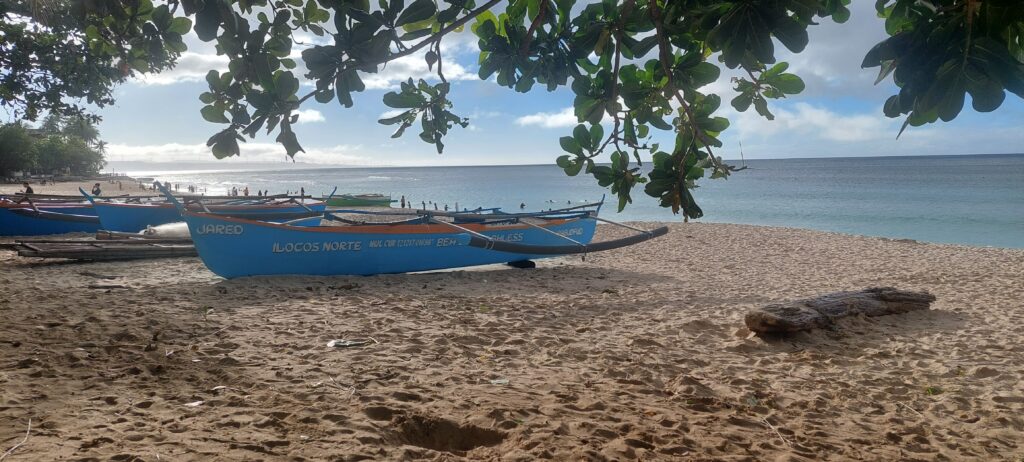
The Philippines continues to attract foreign retirees for reasons that go far beyond the visa.
The tropical climate, widespread use of English, relatively affordable services, strong family culture, beaches and islands, modern private hospitals in major cities, and large international communities can make the country an attractive retirement destination.
But successful retirement requires preparation.
The Special Resident Retiree’s Visa can solve the residency question, but retirees should also investigate healthcare, housing, cost of living, insurance, transportation, banking and the community where they intend to settle.
Under the current 2026 program, the SRRV is available to qualified applicants beginning at age 40, with visa deposits ranging substantially depending on age, pension status and eligibility for the Courtesy category.
Before applying, contact the Philippine Retirement Authority and request confirmation of your eligibility and current documentary requirements. PRA identifies srrvinquiry@pra.gov.ph for SRRV qualification and application inquiries.
The few hours spent verifying the requirements before starting can prevent weeks of delays later.
🟦 Continue Exploring the Philippines
You may also enjoy:
Disclaimer: This article is provided for general informational purposes only and does not constitute legal, immigration, tax, financial or investment advice. SRRV requirements, fees and government procedures may change. Applicants should verify current requirements directly with the Philippine Retirement Authority and Bureau of Immigration and seek qualified professional advice where appropriate.
Leave a Reply