
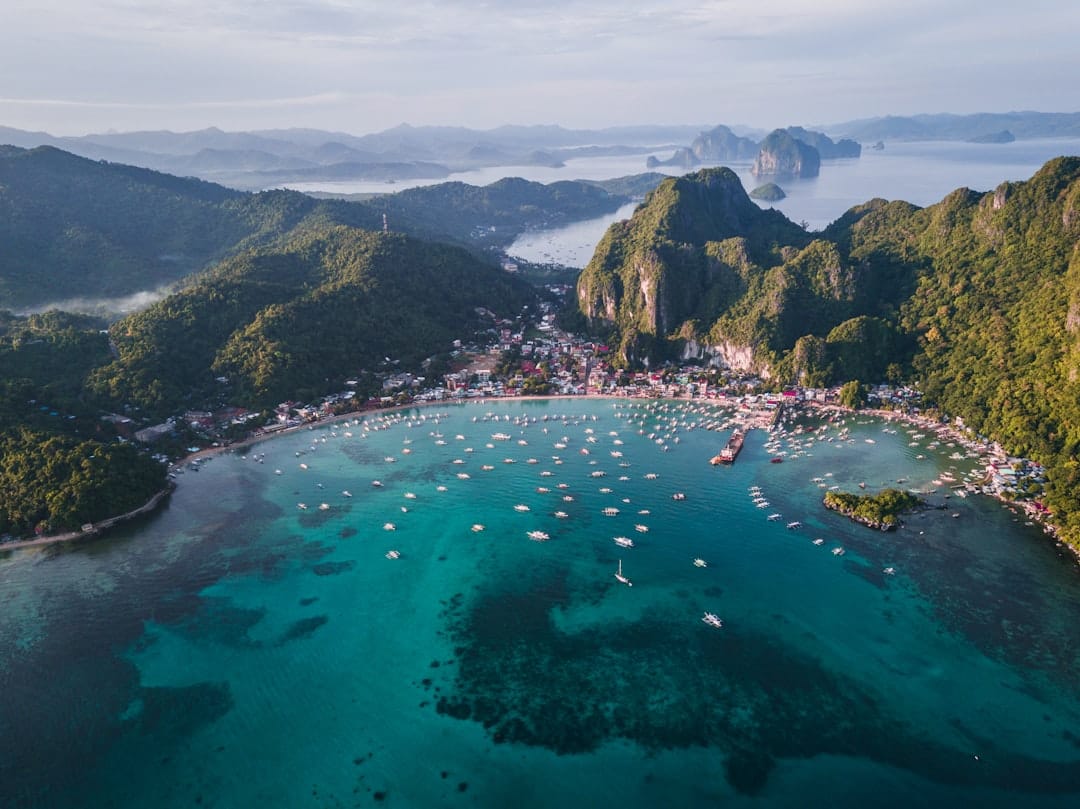
Choosing among the best places to retire in the Philippines in 2026 is less about finding one perfect city and more about matching a location to your health needs, budget, climate preference, and travel habits. A beach town may feel ideal until specialist care or frequent flights become necessary. A major city offers convenience but brings higher housing costs, congestion, and noise. This guide compares five practical choices for foreign retirees—Dumaguete, Cebu, Baguio, Davao, and Metro Manila. It explains the strongest advantage and main compromise of each place, then gives a practical process for testing a location before you sign a long lease or buy a condominium.
Quick Answer
- Dumaguete is the best all-round choice for a quieter, smaller-city retirement with an established foreign community.
- Cebu offers the strongest balance of major-city healthcare, flight connections, shopping, and island lifestyle.
- Baguio is best for retirees who prioritize cooler weather and can manage hills, rain, and road travel.
- Davao suits retirees who want space and big-city services away from Metro Manila.
- Metro Manila is the practical choice when leading hospitals, international flights, embassies, and professional services matter most.
How to Choose a Retirement Location
A retirement ranking is only a starting point. The correct city depends on the life you will actually lead, not the life shown in tourism photographs. Before comparing cities, decide which compromises you can accept. Visit each shortlisted area for several weeks and, if possible, return during the rainy season. Check the real travel time—not just the map distance—from a possible home to a hospital, airport, supermarket, pharmacy, bank, and government office.
- Healthcare: Can the nearest hospital manage your existing conditions? Where would you go for specialist, emergency, dental, and rehabilitation care?
- Housing: Foreigners generally cannot own land, although they may buy qualifying condominium units subject to legal limits. Renting first reduces financial and location risk.
- Climate and hazards: Consider heat, humidity, heavy rain, flooding, typhoons, earthquakes, landslides, and local drainage—not simply annual averages.
- Connectivity: Confirm flight routes, internet reliability, mobile reception, road access, and public or private transport from the exact neighborhood.
- Daily life: Look at grocery choices, walkability, social activities, noise, air quality, backup power, water supply, and the availability of household help.
- Community: Decide whether you want an established expatriate network, an active local community, or greater privacy and immersion in local life.
Healthcare should carry extra weight as you age. A healthy 60-year-old may prefer a quiet provincial city, while a retiree receiving regular specialist treatment may save time and reduce risk by living in Cebu or Metro Manila. Do not assume that a city with several hospitals necessarily has the specialty, equipment, or insurance arrangements you need. Contact the hospital and insurer directly before moving.
Best Places to Retire in the Philippines in 2026
1. Dumaguete: Best for a Relaxed Smaller City
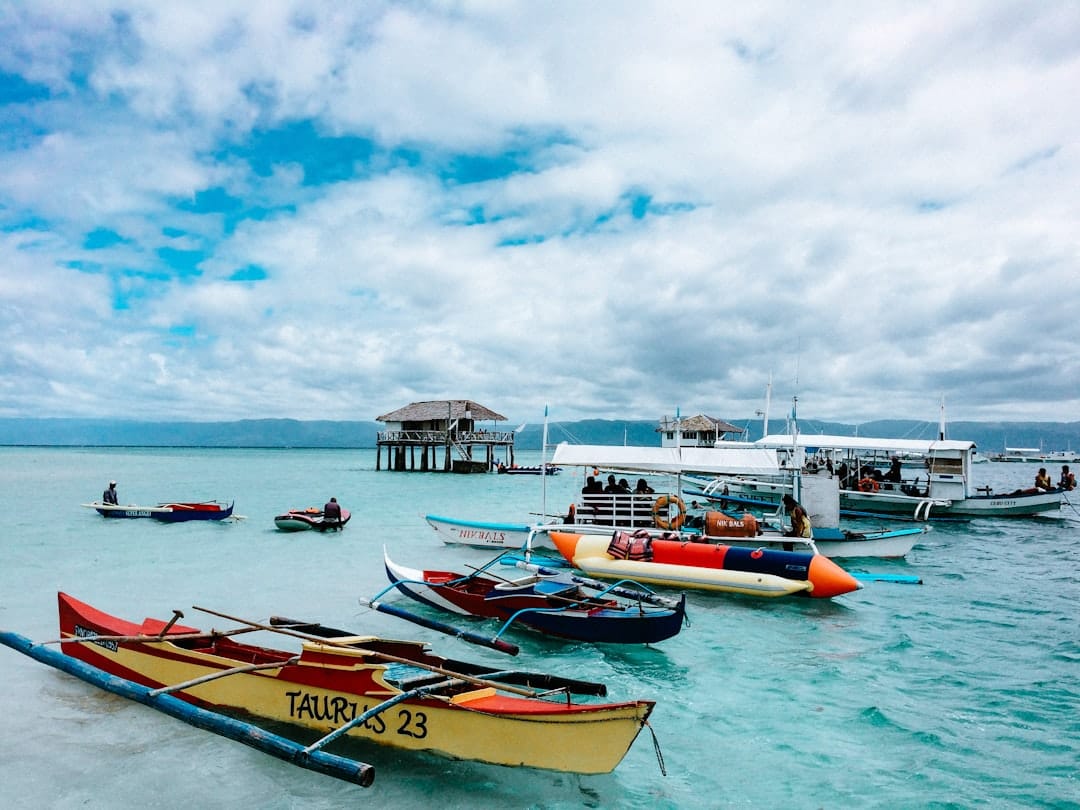
Dumaguete is a strong starting point for retirees who want a manageable city, a slower pace, and easy access to nearby coasts and nature. Its university presence gives the center more cafés, restaurants, cultural activity, and English-speaking services than its size might suggest. Daily errands can be simpler than in a large metropolitan area, while Valencia and communities outside the center offer greener or quieter surroundings.
The city also has a visible community of foreign residents. That can make the first year easier: newcomers can find practical recommendations, social groups, and service providers familiar with foreign clients. Ferry connections open access to nearby islands, while the airport provides domestic links. However, route frequency and options remain more limited than at Cebu or Manila.
Best for: independent retirees who value a smaller scale, community, and a lower-cost lifestyle. Main caution: advanced specialist care and flight choices are more limited. Anyone with a complex medical condition should identify a local doctor, determine when transfer to Cebu or Manila would be necessary, and budget for that contingency.
2. Cebu: Best Overall Balance
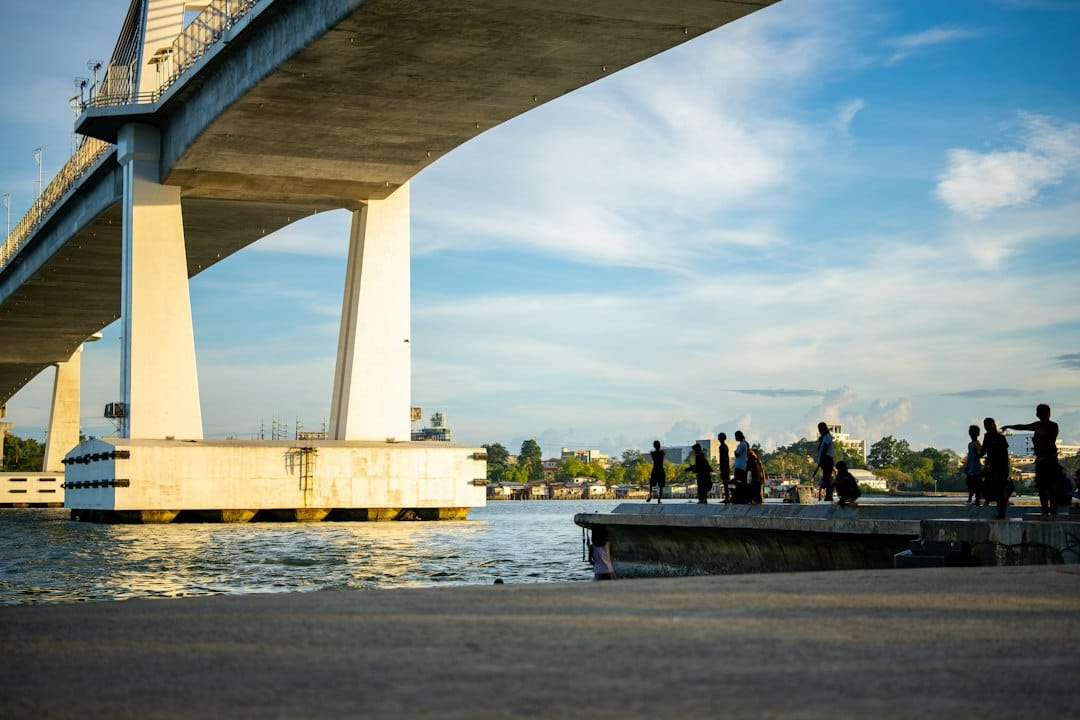
Cebu gives retirees major hospitals, shopping, business services, a large airport, and access to island destinations without requiring life in Metro Manila. Cebu City and nearby Mandaue suit people who want urban convenience. Mactan can suit frequent travelers or retirees who prefer proximity to the airport and resorts, although crossing between Mactan and the main urban areas can take time.
Cebu is particularly attractive for couples whose priorities differ. One partner may want healthcare, restaurants, and shopping while the other wants diving, beaches, golf, or weekend travel. The metropolitan area can provide both, provided the neighborhood is chosen carefully. It also offers a larger pool of private hospitals and specialists than most provincial retirement locations.
Best for: retirees who want strong services, a broad choice of housing, and regular domestic or international travel. Main cautions: traffic can be severe, development is uneven, and homes in prime districts may cost considerably more than those in smaller cities. Test your hospital, airport, and shopping trips at busy times before signing a lease.
3. Baguio: Best for a Cool Climate
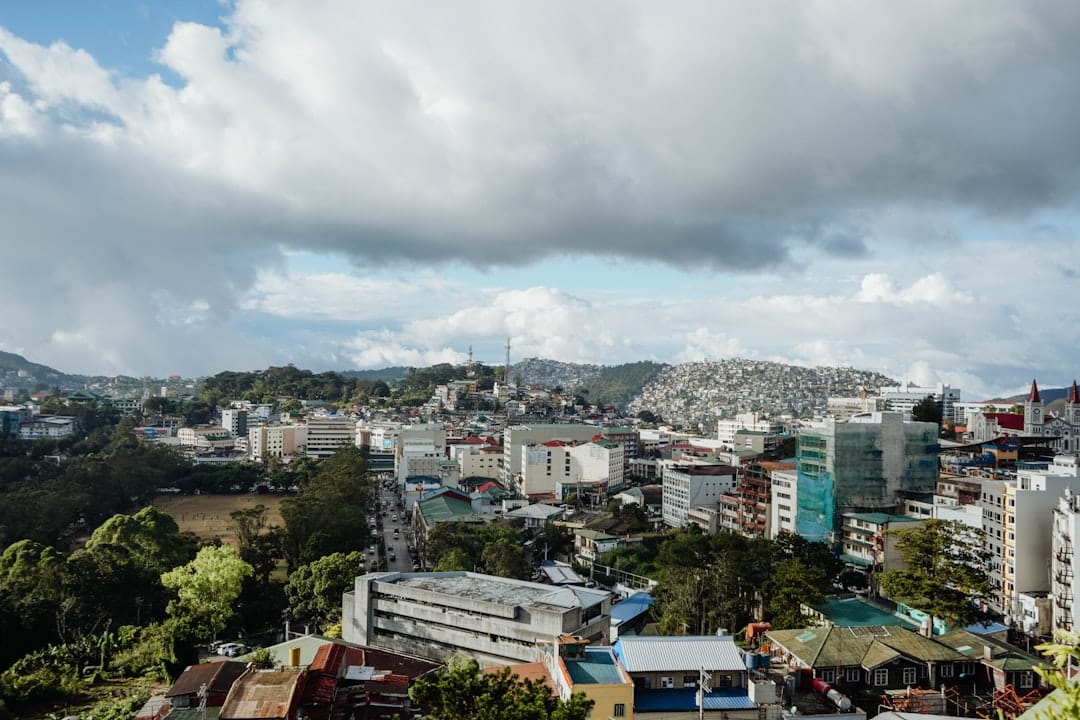
Baguio is the clearest choice for retirees who struggle with tropical heat. Its highland setting supports an active café, arts, education, parks, and food scene. It also has established hospitals and a long-standing retiree and expatriate presence. For someone who wants a real city but dislikes lowland humidity, Baguio can feel more comfortable than a coastal destination.
Neighborhood selection is crucial. A beautiful hillside home may involve steep stairs, narrow roads, limited parking, or difficult access in heavy rain. Central locations can reduce travel time but bring traffic and noise, particularly during holidays and peak tourism periods. Heating is uncommon, so a damp or poorly insulated home can feel colder than expected.
Best for: retirees who prefer cool weather, mountain scenery, and city amenities without coastal heat. Main cautions: steep terrain, congestion, heavy seasonal rain, landslide exposure in some areas, and the long road journey to Metro Manila. Retirees with mobility limitations should test the exact building and neighborhood on foot.
4. Davao: Best for Space and Big-City Services
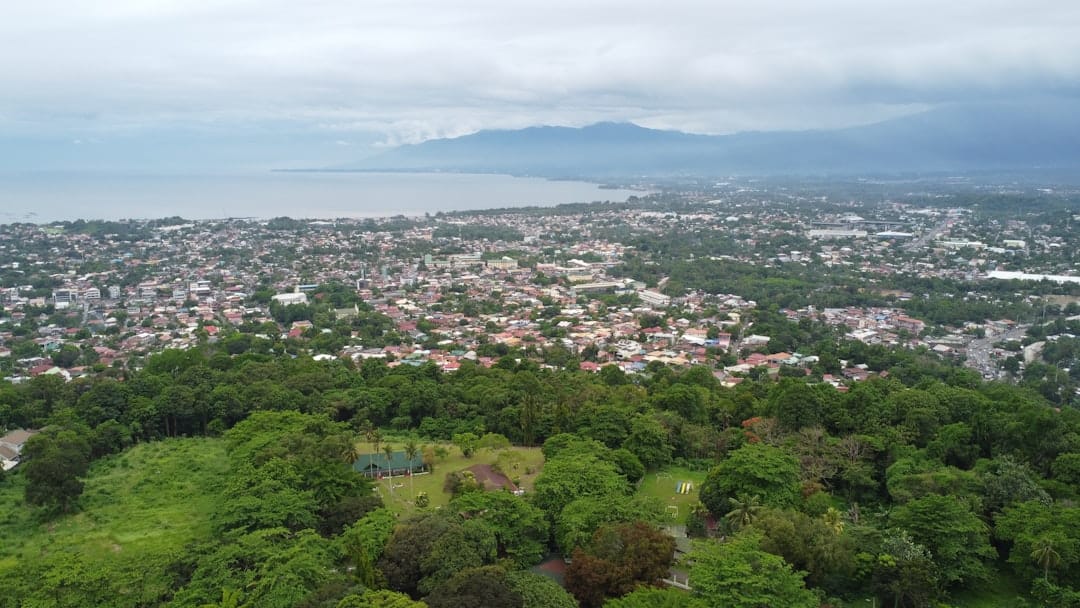
Davao offers a large-city economy, hospitals, shopping, an airport, and relatively easy access to nature. Residential choices range from central condominiums to quieter communities farther from downtown. Compared with Metro Manila, retirees may find more room and a less compressed urban environment, though the experience varies greatly by district.
The principal practical issue is distance. Davao is a strong regional center, but family, medical providers, legal advisers, or frequent destinations may be in Luzon or the Visayas. Flying is usually the practical choice for long-distance domestic travel. The city itself is geographically extensive, so a cheaper home far from the center can create long daily journeys.
Best for: retirees comfortable living far from Manila who want a self-contained regional city and more residential space. Main cautions: heat and humidity, long cross-city trips, and distance from other major centers. Foreign government travel advisories for Mindanao should be checked carefully because their coverage and recommendations can differ by country and specific area.
5. Metro Manila: Best for Advanced Healthcare and Flights
Metro Manila is not the cheapest or calmest option, but it is difficult to replace for specialist hospitals, international flights, embassies, banking, and professional services. Makati, Bonifacio Global City, Ortigas, Alabang, and selected areas of Quezon City have very different cost, flood, walkability, and transport profiles. “Manila” is therefore not one retirement experience.
A well-chosen condominium near the hospital you use can make daily life convenient. A poorly chosen home across a congested corridor can make even short appointments exhausting. Retirees who do not drive should evaluate safe walking routes, taxi and ride-hailing availability, and access to groceries. Those who drive should check parking, tolls, and realistic peak-hour travel.
Best for: retirees managing serious health conditions, traveling often, or needing frequent access to business, consular, and government services. Main cautions: rent, traffic, air quality, noise, and flood exposure. Our guides to renting a condo in Manila and buying a condo as a foreigner explain the housing tradeoffs.
Retirement Location Comparison
| Location | Best feature | Relative cost | Healthcare access | Main tradeoff |
|---|---|---|---|---|
| Dumaguete | Relaxed smaller-city life | Lower | Good for routine needs; limited advanced specialties | Fewer specialist and flight choices |
| Cebu | Best overall balance | Medium to high | Strong private-hospital and specialist choice | Traffic and prime-area rents |
| Baguio | Cool climate | Medium | Established city hospitals | Hills, heavy rain, and road access |
| Davao | Space with city services | Medium | Strong regional-city care | Distance from other major centers |
| Metro Manila | Specialists and connectivity | Highest | Broadest advanced-care options | Cost, congestion, noise, and flooding |
No city is “cheap” for every retiree. Imported food, frequent flights, private health insurance, premium condominiums, and regular restaurant dining can make a provincial lifestyle expensive. Conversely, a modest home near essential services can make life in a larger city more manageable. Use the same personal budget categories when comparing locations so that attractive but incomplete estimates do not distort the decision.
What Foreign Retirees Should Check
Visa and legal status
Choose a lawful long-stay arrangement before committing to property or moving household goods. The Special Resident Retiree’s Visa (SRRV) is administered through the Philippine Retirement Authority (PRA), while other visa routes may suit different circumstances. Eligibility, deposits, documentary requirements, and procedures can change. Check the current PRA instructions and read our 2026 SRRV guide as a practical introduction.
Healthcare and insurance
List your medicines, doctors, likely tests, and emergency risks. Then identify a primary clinic, a suitable hospital, a 24-hour pharmacy, and a backup facility. Ask whether your insurance pays the provider directly or requires reimbursement. Keep funds available for deposits or treatment because payment arrangements differ among hospitals and insurers.
Housing and ownership
Rent before buying. A six- to twelve-month lease lets you experience rain, traffic, construction noise, power interruptions, and building management. Foreign ownership of Philippine land is generally restricted, while condominium ownership is possible only within legal foreign-ownership limits. Obtain independent legal advice before paying a reservation fee or signing a purchase contract.
Budget and banking
Build a budget for housing, utilities, transport, food, healthcare, insurance, visa expenses, flights, household support, and emergencies. Add a buffer for exchange-rate and inflation changes. Our Philippines cost-of-living guide helps organize the monthly estimate, while our guide to opening a Philippine bank account as a foreigner explains common practical requirements.
A Practical Test Before You Move
- Shortlist two or three locations. Choose them according to healthcare, climate, budget, and access—not reputation alone.
- Rent a normal home. A hotel or resort does not reveal utilities, noise, building management, cooking, or neighborhood transport.
- Rehearse an ordinary week. Buy groceries, visit a pharmacy and bank, travel at rush hour, arrange a delivery, and test internet and mobile reception.
- Inspect healthcare. Visit your preferred hospital, confirm the relevant specialty, and understand emergency transport from the property.
- Check the property in rain. Look for leaks, drainage problems, difficult roads, flooding, dampness, and backup power or water.
- Calculate the full annual cost. Include visa administration, insurance, flights, deposits, repairs, and an emergency reserve—not only monthly rent and food.
- Keep an exit option. Avoid an immediate purchase or very long contract until you know that the city works for you.
Common Mistakes to Avoid
- Choosing from a holiday experience: Retirement includes appointments, errands, maintenance, and rainy days.
- Living too far from healthcare: A scenic property may become impractical when regular treatment is needed.
- Buying too early: Renting provides time to understand prices, rules, neighbors, and building quality.
- Using one online cost estimate: Housing and lifestyle choices produce much larger differences than a citywide average suggests.
- Ignoring mobility: Stairs, steep streets, uneven sidewalks, and long transfers matter more over time.
- Assuming all of Mindanao or all of Metro Manila is the same: Safety, flood exposure, transport, and services vary at the district and neighborhood level.
Frequently Asked Questions
What is the cheapest good place to retire in the Philippines?
Dumaguete is often the strongest lower-cost option among the five locations in this guide, but actual spending depends mainly on housing, healthcare, imported goods, transport, and travel. Compare real rental offers and your own shopping basket during a trial stay rather than relying on a single online average.
Which Philippine city is best for retiree healthcare?
Metro Manila offers the broadest access to major hospitals and specialists. Cebu is the strongest alternative outside the capital. A retiree with an existing medical condition should choose according to the required specialty, emergency access, insurance acceptance, and travel time—not simply the number of hospitals.
Can a foreign retiree buy a house in the Philippines?
Foreigners generally cannot own Philippine land directly. They may be able to own a condominium unit subject to statutory foreign-ownership limits, or use other lawful arrangements appropriate to their circumstances. Because property structures carry legal and financial risk, obtain independent Philippine legal advice before paying money or signing documents.
Should I choose a beach town or a major city?
Choose a beach town if quiet, nature, and a slower pace outweigh limited specialist care and transport. Choose a major city if healthcare, flights, and professional services are essential. Many retirees find a middle ground in Cebu or in a quieter community within reach of a regional center.
Conclusion
For many retirees, Dumaguete is the best place to begin the search, while Cebu offers the most balanced combination of healthcare, connectivity, and lifestyle. Baguio is compelling for cooler weather, Davao for space and regional-city services, and Metro Manila for advanced care and flights. The right decision cannot be made from rankings alone. Shortlist two or three cities, live in each temporarily, and compare the exact neighborhoods you can afford. Most importantly, choose for the needs you may have in five or ten years—not only for the lifestyle you want today. Use our retirement preparation guide to plan the move systematically.
Disclaimer: This article is for general informational purposes only and does not constitute immigration, legal, financial, or medical advice. Rules, costs, and local conditions may change. Confirm important decisions with the relevant Philippine agency and qualified professionals.
Sources
- Philippine Retirement Authority — Special Resident Retiree’s Visa
- Philippine Retirement Authority — official website and satellite offices
- Department of Tourism — Dumaguete
- Department of Tourism — Baguio City
- Philippine Statistics Authority — Consumer Price Index and Inflation Rate
Last updated: September 13, 2026
Leave a Reply