
Cebu is one of the easiest places in the Philippines to build a first-time island itinerary because one trip can combine city history, food, beaches, diving and serious outdoor adventure. The province is also a major transport hub, so travelers can use Cebu as a destination in its own right or as a gateway to Bohol and other parts of the Visayas.
This practical 2026 Cebu travel guide is designed for international visitors and first-time travelers. It explains where to stay, how to get around, what to do in Cebu City and Mactan, how to plan Moalboal and Kawasan Falls, when to visit, what to eat, and how many days you realistically need.
Quick Answer: Is Cebu Worth Visiting?
Yes. Cebu works especially well for travelers who want more than a beach-only holiday. The Department of Tourism highlights Cebu’s heritage sites, Sinulog Festival, Moalboal sardine run, Malapascua diving and Badian’s Kawasan Falls among the province’s major experiences.
- Best for: first-time visitors, food lovers, divers, couples, families and active travelers.
- Ideal trip length: 4-7 days for Cebu alone; longer if adding Bohol or another island.
- Best bases: Cebu City for urban access and heritage; Mactan for resorts and airport convenience; Moalboal for diving and the sardine run.
- Signature experiences: Cebu heritage sites, lechon, Mactan island hopping, Moalboal sardine run and Kawasan Falls canyoneering.
Understanding Cebu Before You Book
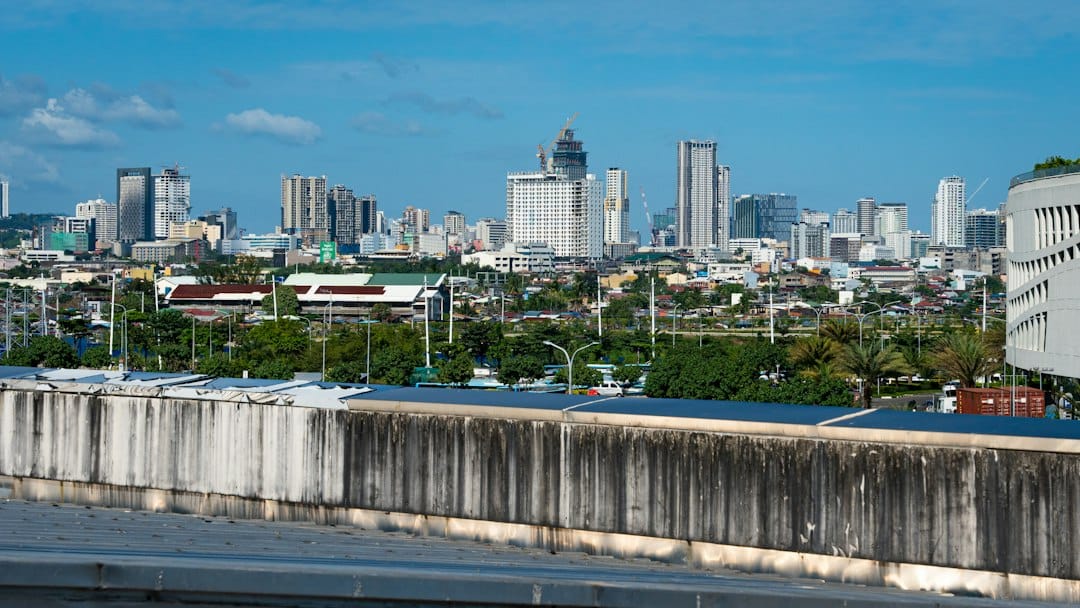
“Cebu” can mean several different places. Cebu Province includes Cebu Island and surrounding islands. Metro Cebu includes Cebu City, Mandaue and Lapu-Lapu City on Mactan Island. Mactan-Cebu International Airport is in Lapu-Lapu City, not central Cebu City.
This distinction matters when choosing a hotel. A resort advertised as “Cebu” may be on Mactan, while a business hotel may be in Cebu City. A traveler planning early-morning diving in Moalboal should not stay in Cebu City and expect an easy daily commute: south Cebu is a separate leg of the trip.
For a first visit, think of Cebu as three experiences. The metro area gives you history, restaurants, malls and airport access. Mactan provides resorts, diving and island hopping close to the airport. South Cebu, especially Moalboal and Badian, is for marine life, waterfalls and adventure.
Getting to Cebu and Leaving the Airport
Mactan-Cebu International Airport (MCIA) handles domestic and international flights and is the main air gateway to the province. Travelers connecting from Manila can fly directly to Cebu, while many regional international routes also serve MCIA. Always check the airport and airline for the current terminal because flight arrangements can change.
For a budget transfer into the metro area, MCIA publishes a MyBus route between the airport and SM City Cebu. The airport’s current published schedule lists a regular fare of PHP 25, with stops through Mandaue before reaching SM City Cebu. Schedules can change, so verify the current airport timetable before relying on a specific departure.
Taxis and app-based ride services are more convenient with luggage, especially late at night. Travel time is highly traffic-dependent. Do not plan a tight airport connection based only on the distance shown on a map.
If Cebu is your first destination in the country, read our First Time in the Philippines guide for broader arrival, money, SIM and transport advice.
Where to Stay in Cebu
Cebu City: Best for First-Time Urban Visitors
Stay in Cebu City if your priorities are heritage, restaurants, shopping, business districts and easy access to city services. Areas around Cebu Business Park and IT Park offer modern hotels, restaurants and nightlife. Downtown is closer to several historic landmarks but feels busier and more traditional.
Cebu City is also the better base if you plan to spend a day exploring Magellan’s Cross, Basilica Minore del Santo Nino and nearby heritage areas. The Department of Tourism describes Cebu as “Asia’s Cradle of Christianity” and highlights these sites as important cultural landmarks.
Mactan: Best for Resorts and Short Beach Stays
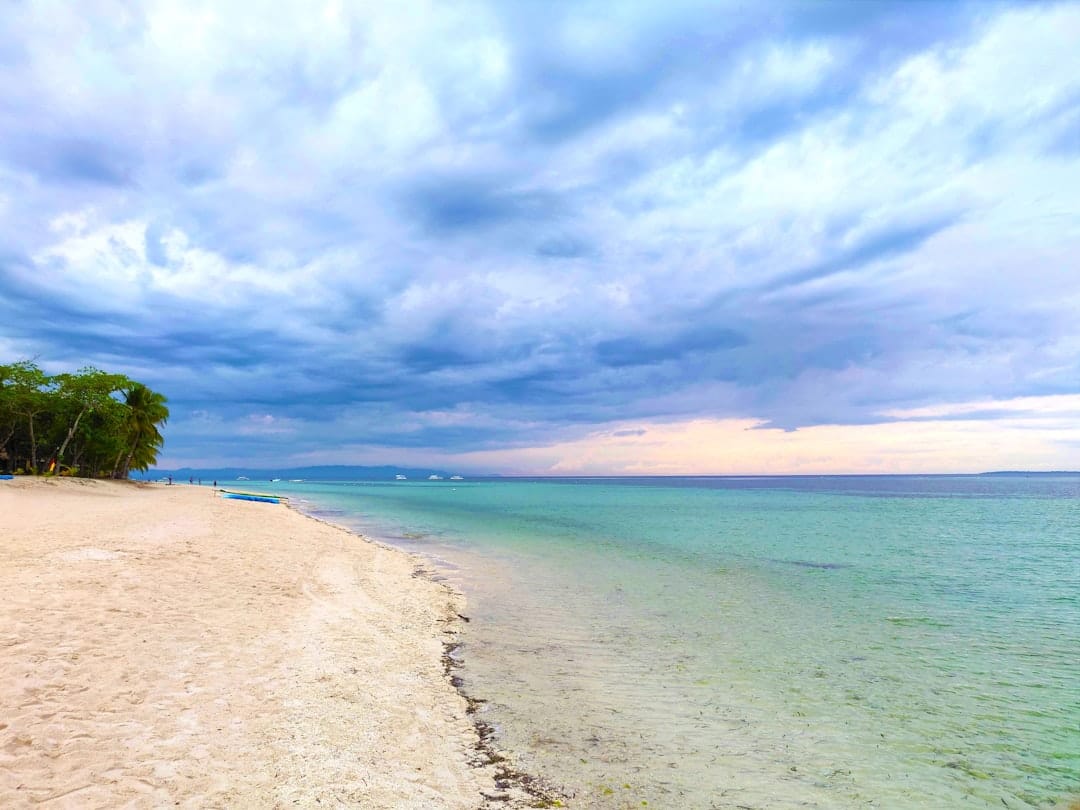
Mactan is convenient for travelers who want a resort experience without a long transfer after landing. Lapu-Lapu City combines beachfront resorts, diving, island hopping and the Lapu-Lapu Shrine. The Department of Tourism promotes Mactan for marine activities and its historical connection to the Battle of Mactan.
The trade-off is that Mactan is not the same as staying in central Cebu City. Crossing between Mactan and the mainland can take time in traffic. If your itinerary is mostly urban sightseeing, staying in Cebu City is usually more efficient.
Moalboal: Best for Diving and the Sardine Run
Moalboal is one of Cebu’s strongest reasons to travel beyond the metro area. The Department of Tourism describes its sardine run as an experience where millions of sardines form huge moving schools close to shore. The area also offers reefs, turtles, diving and island-hopping trips.
For most travelers, Moalboal deserves at least two nights rather than a rushed day trip from Cebu City. Staying overnight gives you flexibility for sea conditions and lets you start water activities early.
What to Do in Cebu City
Start with Cebu’s historic core rather than treating the city only as a transit stop. Magellan’s Cross and Basilica Minore del Santo Nino are central to Cebu’s religious and colonial history and are close enough to combine in one outing. Dress respectfully when entering religious sites and remember that active worship takes priority over sightseeing.
Food should be part of the itinerary. Cebu is famous for lechon, and the metro area has everything from simple local eateries to contemporary Filipino restaurants. Try puso – rice wrapped and boiled in woven coconut leaves – which is commonly paired with grilled food and lechon.
For a modern contrast, spend time around IT Park, Cebu Business Park or one of the major malls. This is useful on very hot or rainy afternoons and gives a more complete picture of present-day Cebu.
If you are also visiting the capital, compare the experience with our Things to Do in Manila in 2026 guide.
Mactan: Beaches, History and Island Hopping
Mactan is not just the airport island. The Lapu-Lapu Shrine marks the area associated with the 1521 Battle of Mactan, while the coastline supports resorts, diving and boat trips to nearby islands. The Department of Tourism also highlights local guitar craftsmanship in Lapu-Lapu City.
Island-hopping trips vary widely in quality and inclusions. Before paying, confirm the boat, guide, life jackets, snorkeling equipment, environmental or entrance fees, lunch, pickup point and return time. Use established operators and check weather and coast guard restrictions on the day of travel.
Moalboal Sardine Run: What to Know
The sardine run is unusual because the main attraction is accessible close to the coast rather than requiring a long offshore expedition. Conditions still matter. Visibility, currents and the exact position of marine life can change, and wildlife encounters can never be guaranteed.
Even strong swimmers should take local conditions seriously. Use a qualified guide if you are unfamiliar with the area, avoid touching coral or marine animals, and keep enough distance from turtles and sardine schools to avoid disrupting them. If diving, use a reputable dive center and stay within your certification and experience level.
Moalboal can also be paired with nearby Badian for Kawasan Falls and canyoneering, making it an efficient base for a two- or three-night south Cebu stay.
Kawasan Falls and Canyoneering
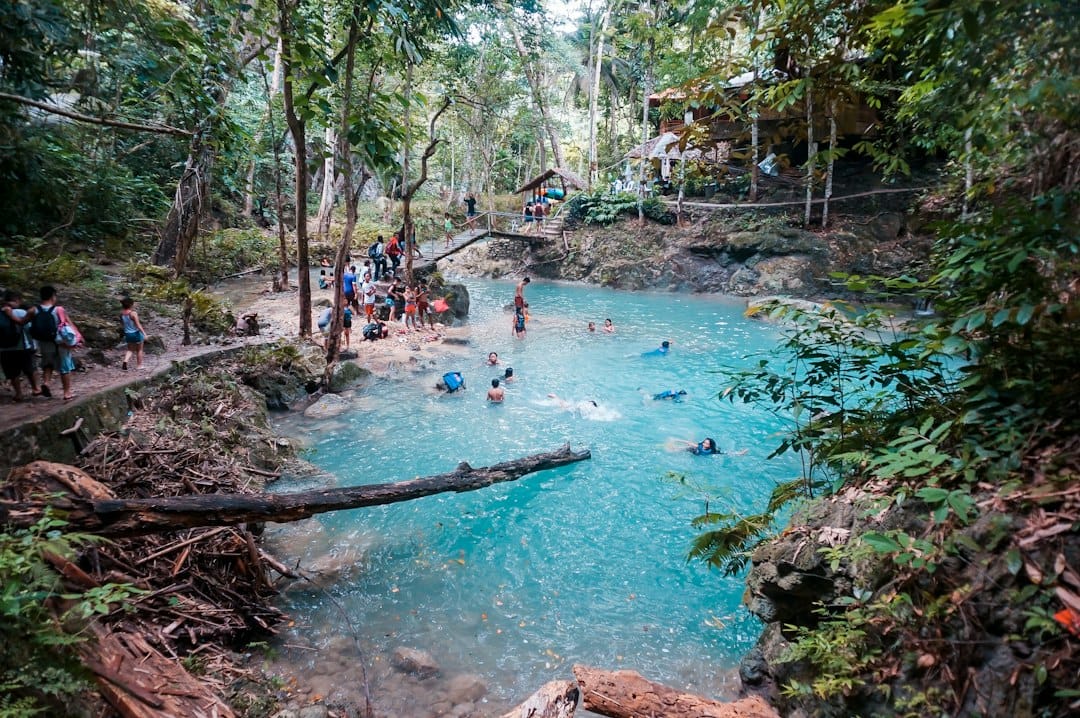
Kawasan Falls in Badian is one of Cebu’s best-known natural attractions. The Department of Tourism describes the area’s turquoise water and limestone landscape and promotes canyoneering as an adventure route through rivers, pools and canyon terrain ending around the falls.
Canyoneering is an adventure activity, not a casual sightseeing walk. It can involve swimming, scrambling, moving through current and optional or required jumps depending on the route and current operating rules. Travelers should use an authorized local operator, wear the provided safety equipment and follow the guide’s instructions.
Do not book a rigid itinerary around a single outdoor activity. Heavy rain, water conditions or local safety decisions can change access. A flexible south Cebu schedule is more sensible than forcing an activity in unsafe conditions.
Should You Add Malapascua?
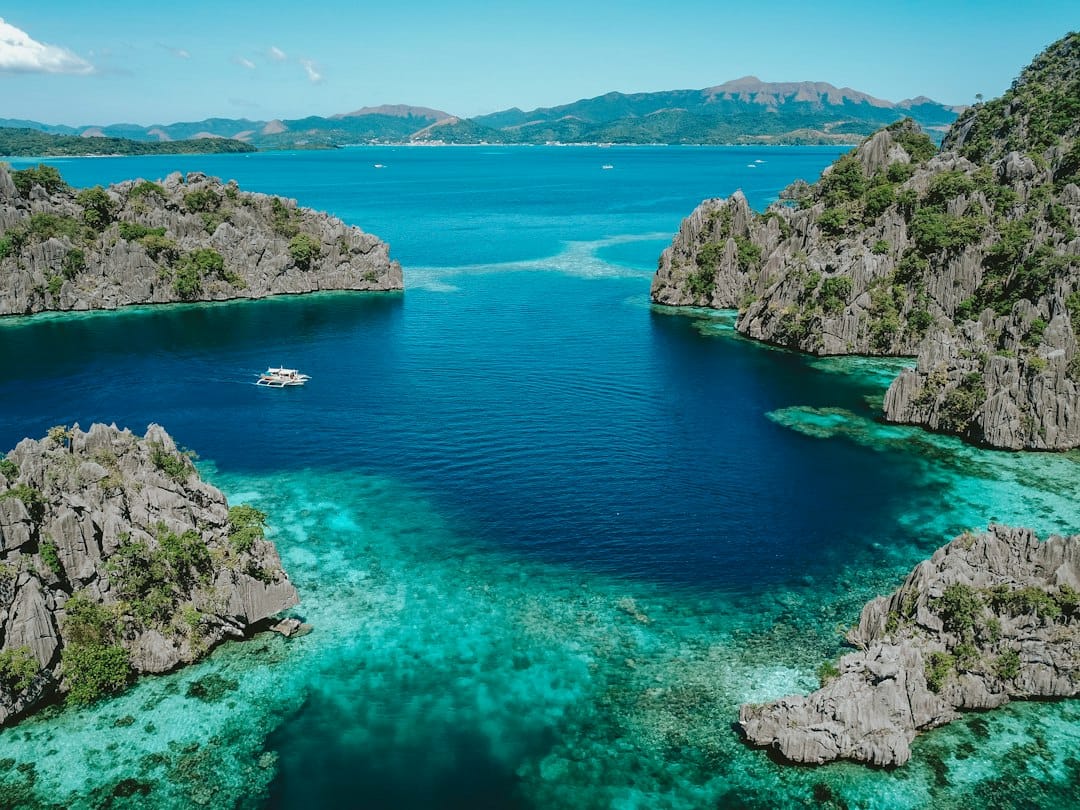
Malapascua is a small island off northern Cebu and is internationally known for diving. The Department of Tourism identifies it as one of the relatively few places where divers can regularly encounter thresher sharks.
Malapascua is worthwhile for dedicated divers, but it should not be squeezed into a short Cebu itinerary. Reaching the island requires overland travel north plus a boat transfer, so adding it to a trip that already includes Moalboal creates substantial transit time. For a five-day first visit, choose either south Cebu or Malapascua rather than trying to do both.
Best Time to Visit Cebu
Cebu is a year-round destination, but weather should shape the type of trip you plan. Rain can occur even during generally drier periods. Sea conditions matter more than a simple “sunny/rainy” label if your priorities are diving, island hopping or canyoneering.
January is especially busy because Sinulog, Cebu’s largest festival, is held in honor of the Santo Nino. The Department of Tourism states that the festival is celebrated every third Sunday of January. It is a memorable time to visit, but expect heavier crowds, road closures and higher demand for accommodation. Book early if Sinulog is the purpose of your trip.
Getting Around Cebu
Within Metro Cebu, taxis and app-based rides are the easiest option for many foreign visitors. Jeepneys and modern public utility vehicles are cheaper and useful for travelers comfortable navigating local routes. MyBus is particularly useful between MCIA and SM City Cebu.
For south Cebu, buses and vans serve major towns, while private transfers offer more comfort and control over departure times. Travel times can be long because Cebu is a narrow but lengthy island and traffic can be heavy around the metro area and major towns.
If you plan to rent a vehicle, our 2026 guide to driving in the Philippines as a foreigner explains the current licensing framework.
What to Eat in Cebu
Lechon is the obvious starting point: whole roasted pig with crisp skin and richly seasoned meat. Cebu-style lechon is often flavorful enough to eat without heavy sauce. Puso is a convenient partner for grilled food, while seafood is widely available in coastal areas.
Also look for ngohiong, a Cebuano fried snack with a seasoned vegetable filling, and local dried mango products for pasalubong. Food safety matters more than chasing a famous stall: choose busy places with good turnover, especially for seafood and cooked meat displayed in warm weather.
A Practical 5-Day Cebu Itinerary
Day 1 – Arrival and Cebu City: Check in, explore the city center or a modern district, and have a Cebuano dinner.
Day 2 – Heritage and Mactan: Visit Magellan’s Cross and Basilica Minore del Santo Nino, then continue to Mactan for the Lapu-Lapu Shrine or a resort afternoon.
Day 3 – Transfer to Moalboal: Travel south, settle in and do a relaxed sunset or snorkeling session rather than overloading the transfer day.
Day 4 – Sardine Run and Marine Day: Snorkel or dive the sardine run with an appropriate local operator, then leave the afternoon flexible for diving, beach time or rest.
Day 5 – Kawasan/Badian or Return: Do guided canyoneering if conditions and fitness allow, or choose a gentler waterfall visit before returning toward Metro Cebu. If your flight leaves the same day, allow a large buffer.
How Much Time Do You Need?
| Trip length | Realistic plan |
|---|---|
| 2-3 days | Cebu City + Mactan. Avoid adding distant north and south Cebu. |
| 4-5 days | Cebu City/Mactan + Moalboal or Badian. |
| 6-7 days | Metro Cebu + south Cebu with slower pacing, or add a carefully planned island side trip. |
| 8+ days | Consider Malapascua, Bohol or another Visayas destination without turning every day into a transfer. |
Safety and Practical Tips
- Use licensed or established operators for diving, island hopping and canyoneering.
- Protect valuables in crowded city areas and do not leave phones or bags unattended on beaches or boats.
- Build traffic buffers into airport and ferry days.
- Carry cash outside major urban areas; do not assume every small operator accepts cards.
- Do not stand on coral, touch wildlife or chase turtles for photos.
- Check weather and local safety instructions before sea and canyon activities.
- Keep travel insurance details and emergency contacts accessible.
For a broader perspective on common travel risks, see Is the Philippines Safe to Travel in 2026?
Common Cebu Planning Mistakes
Trying to see the whole island in four days. Cebu is bigger than it looks on a map. Choose a metro base plus one major north or south destination.
Assuming Mactan equals Cebu City. They are connected but traffic makes location important.
Booking outdoor activities too tightly. Weather and water conditions can change plans.
Taking a same-day long transfer before an international flight. Build a buffer or spend the final night closer to MCIA.
Choosing a tour only by price. For water and canyon activities, safety equipment, guide quality and clear inclusions matter more than saving a small amount.
FAQ
Is Cebu good for first-time visitors to the Philippines?
Yes. It combines a major airport, urban infrastructure, historic sites, food, beaches and access to some of the country’s best-known marine and adventure experiences.
Should I stay in Cebu City or Mactan?
Choose Cebu City for heritage, dining and urban access. Choose Mactan for resorts, diving, island hopping and airport convenience. Splitting the stay can work if you have enough time.
Can I visit Moalboal as a day trip from Cebu City?
It is possible, but an overnight stay is usually more enjoyable. The long round-trip transfer reduces your time in the water and leaves little flexibility for traffic or sea conditions.
Is the Moalboal sardine run available all year?
The sardine run is promoted as a signature Moalboal experience, but wildlife and sea conditions are never guaranteed. Confirm current conditions locally and follow marine-safety guidance.
Is Kawasan canyoneering suitable for everyone?
No. It is a physical adventure activity involving water and uneven terrain. Travelers with health, mobility or swimming concerns should discuss suitability with an authorized operator and consider a less demanding alternative.
Final Takeaway
Cebu rewards travelers who resist the temptation to do everything. A well-paced first trip might combine two nights in Cebu City or Mactan with two or three nights in Moalboal, leaving enough time to experience the province rather than spending the entire holiday in traffic.
Use the metro area for history and food, Mactan for easy resort and marine access, and south Cebu for the sardine run and Kawasan adventure. If diving is your main purpose, give Malapascua its own block of time. Cebu’s strength is variety – but the best itinerary comes from choosing the parts that match your interests.
Travel disclaimer: Transport schedules, fares, attraction access, weather restrictions, tour operations and local rules can change. Verify current information with the relevant airport, government agency and accredited or authorized local operator before travel. Outdoor and water activities involve inherent risks; choose activities appropriate to your health, swimming ability and experience.
Official Sources
- Department of Tourism – Cebu Province
- Department of Tourism – Lapu-Lapu City
- Department of Tourism – Sinulog Festival
- Mactan-Cebu International Airport – MyBus Route and Schedule
Last Updated: September 28, 2026
Leave a Reply