
Manila can be confusing for a first-time visitor, but there are far more things to do in Manila than many travelers expect. Historic Intramuros, Binondo Chinatown, modern Makati and BGC, Ortigas, Manila Bay, museums, restaurants, nightlife, and several easy trips outside the city can easily fill several days.
The key is planning by location. Metro Manila is enormous, and choosing the wrong hotel can mean spending hours in traffic. For this reason, this guide starts with where to stay, then explains the main areas to visit, famous restaurants to try, how to get around, and the best short trips from Manila.
Once you choose the right area, Manila becomes much easier to explore.
This guide is organized around that practical approach: first choose where to stay, then explore Manila by district, and finally consider several destinations outside Metro Manila if you have additional time.
If Manila is your first stop in the country, our first-time Philippines travel guide explains entry basics, money, transportation, safety, and other essentials. And, if you are concerned about the safety of Manila, you may also read our post is the Philippines safe to travel in 2026?.
Manila at a Glance
| If you are interested in… | Consider staying or visiting… |
|---|---|
| History and Spanish colonial Manila | Intramuros and Ermita |
| Chinatown and traditional Manila | Binondo |
| Shopping, dining, museums, and nightlife | Makati |
| Modern, walkable urban life | BGC |
| Business, shopping, and central location | Ortigas |
| Manila Bay, entertainment, and airport convenience | Pasay / Manila Bay |
| Day trips and cooler weather | Tagaytay |
| Beaches and diving | Batangas |
| Food, entertainment, and northern Luzon access | Clark / Angeles |
| Waterfront and outdoor activities | Subic |
Table of Contents
Where to Stay in Manila
Choosing your hotel location is probably the single most important decision you will make when visiting Metro Manila.
Traffic can dramatically change travel times. A hotel that appears only 10 or 15 kilometers away from an attraction may require a long drive during morning or evening rush hour.
For most first-time foreign visitors, I would consider BGC, Makati, Ortigas, or the Manila Bay/Pasay area, depending on the purpose of the trip.
BGC: Best for Comfort and Walkability
Bonifacio Global City, commonly called BGC, is in Taguig City. It is one of the most modern parts of Metro Manila, with wide sidewalks, parks, restaurants, shopping centers, offices, international schools, and high-rise condominiums.
For visitors who want a comfortable introduction to Manila, BGC is one of the easiest places to stay.
The main disadvantage is price. BGC is one of the more expensive places to stay in Metro Manila. Hotel rates, restaurants, cafés, and entertainment can cost considerably more than in many other districts, so travelers on a tighter budget may find Makati, Ortigas, or other parts of Metro Manila more affordable.
Best for: First-time visitors, families, business travelers, restaurants, nightlife, and travelers who prefer a modern environment.
Makati: Best Overall Location for Many Visitors
Makati is one of Metro Manila’s major financial and commercial centers.
Visitors staying around Ayala Center, Greenbelt, or Legazpi Village have easy access to restaurants, shopping, cafés, museums, and nightlife. Makati is also reasonably positioned between Manila’s historic districts, BGC, and the airport.
For many tourists who want both convenience and city life, Makati may be the best all-around choice.
Best for: Business travelers, couples, dining, shopping, nightlife, and first-time visitors.
Ortigas: Best for Central Metro Manila and Business Travel
Ortigas Center sits around the borders of Pasig, Mandaluyong, and Quezon City and is one of Metro Manila’s major business districts.
It is especially convenient for travelers with meetings or activities in Pasig, Mandaluyong, Quezon City, or eastern Metro Manila. Large shopping centers such as SM Megamall, The Podium, and Robinsons Galleria are located within or close to the district, while Capitol Commons provides a newer mixed-use area with restaurants, green space, and Estancia Mall. Ortigas Land describes Capitol Commons as a 10-hectare mixed-use district with commercial, residential, office, dining, and open-space components.
Ortigas is not usually the first district international tourists think of when visiting Manila, but it is practical, centrally located, and often offers better hotel value than BGC.
Best for: Business travelers, long stays, shopping, families, and visitors with activities in Pasig or Mandaluyong.
Manila Bay and Pasay: Best for Airport Access and Entertainment
The Manila Bay and Pasay area is convenient for visitors arriving through Ninoy Aquino International Airport and for those attending conventions, concerts, or events.
SM Mall of Asia is one of the largest commercial and entertainment destinations in the area and is open daily according to the mall’s current directory.
The area also contains large hotels, entertainment complexes, casinos, restaurants, and convention facilities.
Best for: Short stays, airport convenience, conferences, shopping, concerts, and entertainment.
Intramuros, Ermita, or Malate: Best for Historic Manila
If your main reason for visiting Manila is history, museums, Intramuros, Rizal Park, and Manila Bay, staying in Ermita or nearby areas can reduce travel time.
However, the environment is very different from BGC or Makati. Streets can be busier, more uneven, and less polished.
Best for: History-focused travelers, backpackers, museum visitors, and visitors who want to explore old Manila extensively.
Best Things to Do in Manila for First-Time Visitors
Rather than moving randomly across the city, explore Manila one district at a time.
This saves time and gives you a better understanding of the very different personalities within Metro Manila.
A. Intramuros, Rizal Park, and the National Museum District
If you are visiting Manila for the first time, Intramuros should be one of your first stops.
Intramuros was the fortified center of Spanish colonial Manila. Today, its walls, churches, plazas, museums, government buildings, and old streets provide one of the best introductions to Philippine history.
The Intramuros Administration maintains visitor maps and walking routes for the district, including Fort Santiago and Casa Manila.
Main Attractions
Fort Santiago
Fort Santiago is one of the most historically important places inside Intramuros. It is strongly associated with Philippine national hero José Rizal and offers a combination of military history, gardens, old walls, and views toward the Pasig River.
San Agustin Church
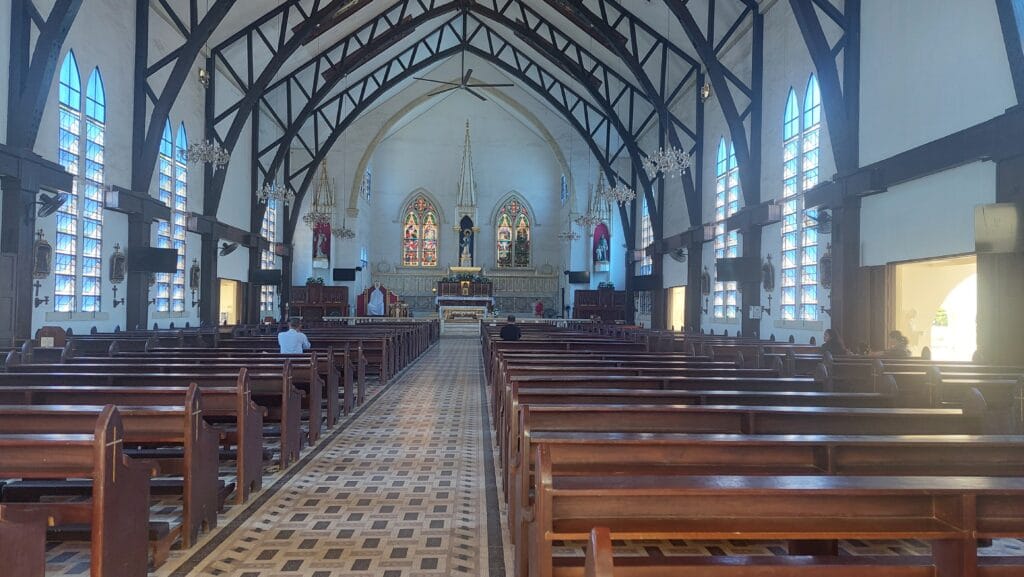
San Agustin Church is one of the country’s most significant historic churches. The National Museum notes that the present stone church was completed in 1607 and is part of the UNESCO-listed Baroque Churches of the Philippines.
Manila Cathedral
Located around Plaza Roma, Manila Cathedral is another major landmark and can easily be combined with Fort Santiago and San Agustin Church.
Casa Manila
Casa Manila gives visitors an impression of upper-class urban life during the Spanish colonial period.
Rizal Park
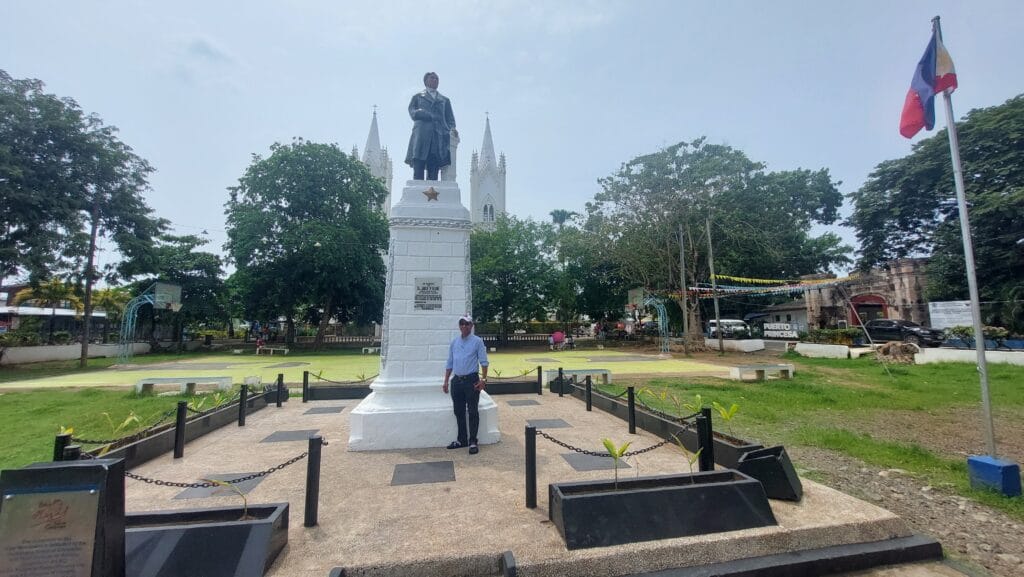
Just outside Intramuros, Rizal Park is one of Manila’s most important public spaces and contains the Rizal Monument.
National Museum Complex
The National Museum complex around Rizal Park includes major collections covering fine arts, anthropology, and natural history. Groups of fewer than 20 people can generally walk in, while larger groups are asked to arrange visits in advance.
Where to Eat
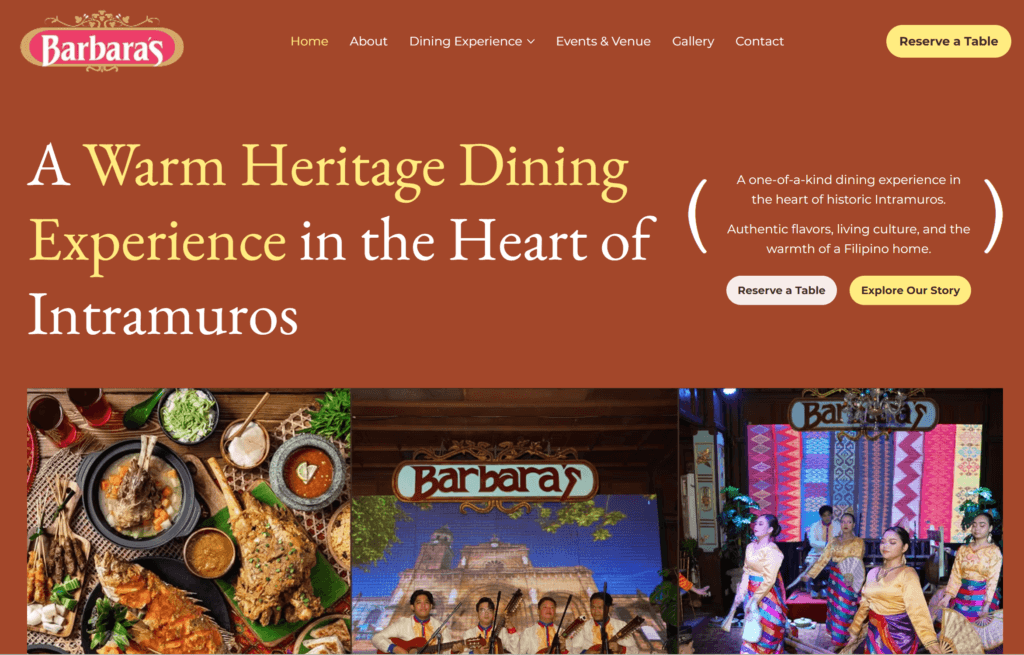
For a memorable meal inside Intramuros, Barbara’s Heritage Restaurant is one of the district’s best-known dining destinations. Located in the Plaza San Luis Complex, it serves traditional Filipino cuisine in a Spanish-era-inspired setting and is particularly known for its buffet and live Filipino cultural performances. It is a good choice for foreign visitors who bwant to combine sightseeing with a cultural dining experience.
How to Get There
For most first-time foreign visitors, Grab or a taxi is the easiest option.
If you are comfortable with public transportation, LRT stations can bring you relatively close, but you will still need to walk or take a short local ride.
Once inside Intramuros, walking is often the best way to explore.
PhilifeGuide Tip: Allow at least half a day. If you combine Intramuros, Rizal Park, and one National Museum building, you can easily spend most of a day in this area.
B. Binondo and Old Manila
Binondo offers a completely different side of Manila.
Established centuries ago as a Chinese commercial district, the area remains one of the most interesting places to experience Filipino-Chinese history, food, religious traditions, old businesses, markets, and dense urban street life.
The Department of Tourism currently promotes Binondo specifically as a destination combining history and food.
Main Attractions
Ongpin Street
Ongpin is one of the main streets through Chinatown and is lined with restaurants, bakeries, shops, jewelry businesses, pharmacies, and traditional establishments.
Binondo Church
Binondo Church stands near the entrance to Chinatown and remains one of the district’s major landmarks.
Escolta
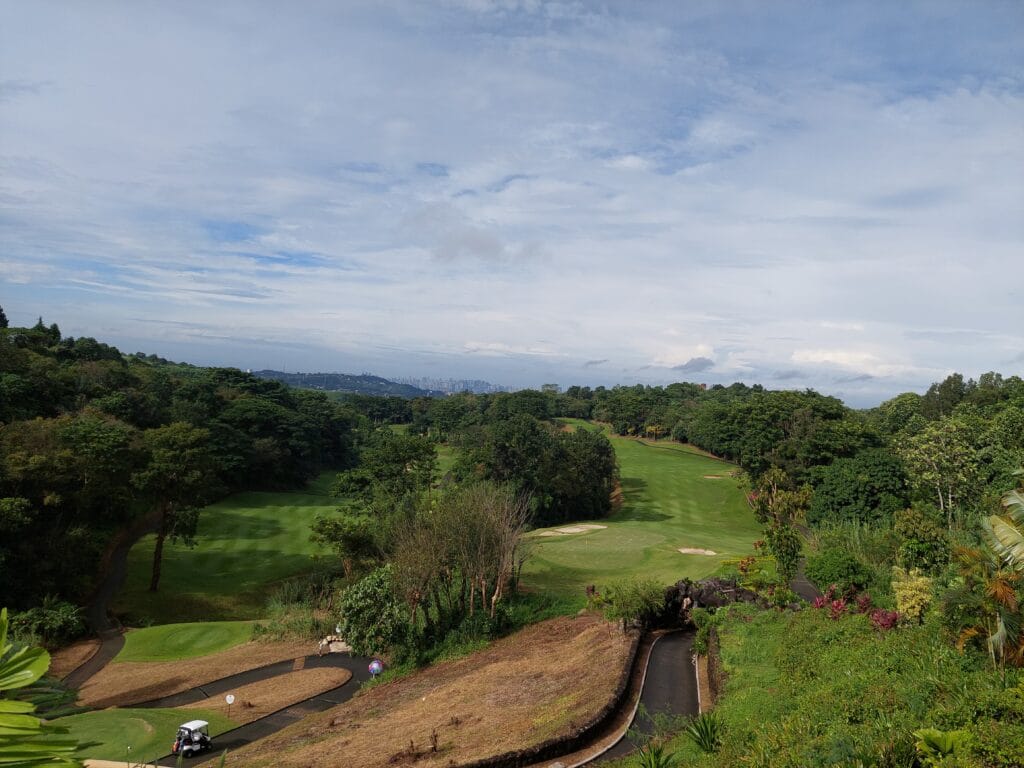
Escolta was once one of Manila’s premier commercial streets. Some historic buildings remain, giving visitors a glimpse of early 20th-century Manila.
Quiapo
Visitors interested in local street life can continue toward Quiapo, home to Quiapo Church, markets, street vendors, and some of Manila’s busiest pedestrian areas.
Keep your valuables secure and expect heavy crowds.
Where to Eat
Food is one of the main reasons to visit Binondo.
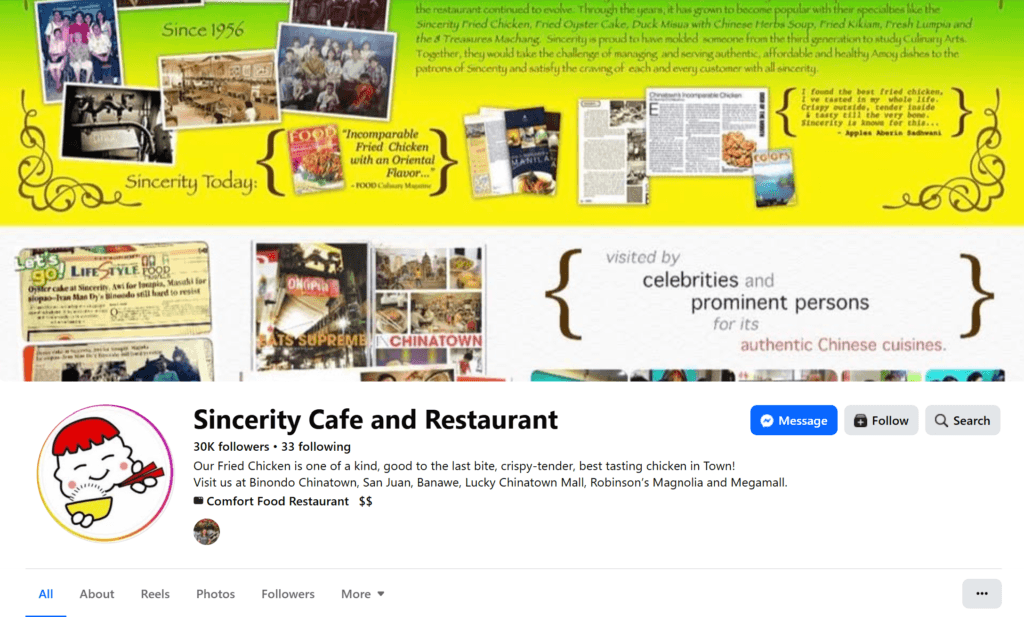
One of the most famous restaurants in Binondo is Sincerity Café and Restaurant, a long-established Chinese-Filipino restaurant dating back to 1956. Its signature Sincerity Fried Chicken has become one of Binondo’s iconic dishes, while other popular choices include fried oyster cake and traditional Chinese-Filipino specialties. For a first-time Binondo food trip, Sincerity is an easy restaurant to recommend.
For snacks and gifts, Eng Bee Tin began in Binondo in 1912 and remains associated with hopia, tikoy, and other Chinese-Filipino delicacies.
Try dishes such as dumplings, noodles, lumpia, fried chicken, hopia, and other Chinese-Filipino specialties.
How to Get There
Grab or taxi is convenient, but traffic can be heavy and parking can be difficult.
LRT is also practical for experienced travelers. Once you arrive, Binondo is best explored largely on foot.
PhilifeGuide Tip: Visit hungry. A Binondo trip is much better when treated as a food walk rather than simply sightseeing.
C. Makati
Makati represents Manila’s modern financial and lifestyle side.
The district combines office towers, upscale shopping, museums, restaurants, residential neighborhoods, parks, and nightlife.
It is also one of the easiest areas for foreign visitors to navigate.
Main Attractions
Greenbelt and Ayala Center
Greenbelt combines shopping, restaurants, landscaped outdoor areas, cafés, and nearby hotels.
Ayala Museum
The Ayala Museum is one of Metro Manila’s best-known private museums. As of August 2026, museum visits use timed entry slots, with separate published rates for local and foreign visitors.
Legazpi and Salcedo Villages
These areas are good for cafés, restaurants, parks, weekend markets, and a more relaxed side of Makati.
Poblacion
Poblacion becomes more active at night and is known for bars, restaurants, cafés, and a younger international crowd.
Where to Eat
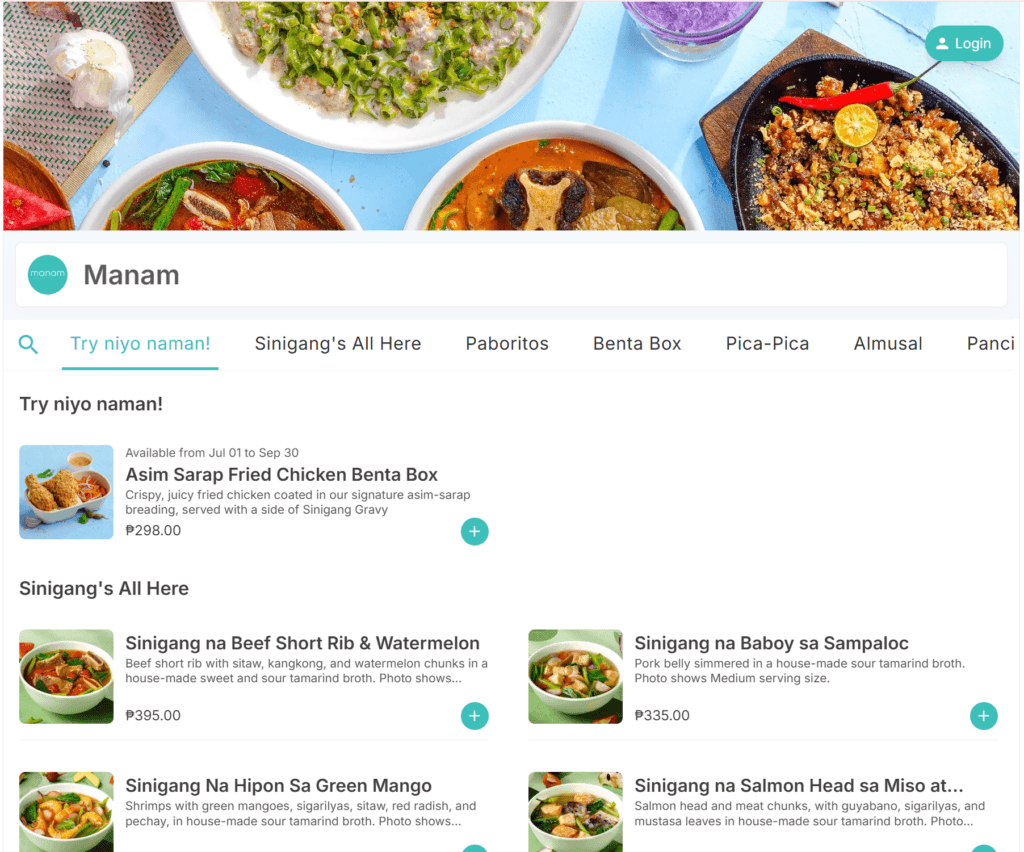
For Filipino food in central Makati, Manam at Greenbelt is one of the easiest recommendations for a first-time visitor. Located in Greenbelt 3, it offers familiar Filipino dishes presented in a modern, approachable style and is convenient for travelers already exploring Ayala Center, Greenbelt, and the surrounding hotel district.
Another option is Romulo Cafe – Makati, which serves Filipino comfort food and family recipes.
How to Get There
Makati is relatively easy to reach by Grab, taxi, bus, or MRT.
If you are staying around Ayala Center, many attractions and restaurants are within walking distance.
PhilifeGuide Tip: Makati works particularly well for travelers who want to combine sightseeing during the day with restaurants and nightlife in the evening.
D. Bonifacio Global City (BGC)
BGC is the modern face of Metro Manila.
It is cleaner, newer, and more walkable than many other districts, with landscaped streets, parks, public art, high-rise buildings, shopping centers, restaurants, and nightlife.
Visitors should remember that BGC is located in Taguig City, not the City of Manila.
Main Attractions
Bonifacio High Street
This open-air retail and dining district forms the heart of BGC.
The Mind Museum
The Mind Museum is located near J.Y. Campos Park and focuses on interactive science exhibits. BGC’s own directory lists it as one of the district’s principal arts and educational attractions.
Public Art and Murals
BGC has numerous public artworks and murals spread around the district.
Parks and Walking Areas
Track 30th, Terra 28th, and other open spaces make BGC relatively comfortable for walking compared with much of Metro Manila.
Where to Eat
For Filipino cuisine in BGC, Romulo Café is a good representative choice. Located at One Bonifacio High Street, the restaurant serves Filipino family recipes and classic dishes in a polished but comfortable setting. Its central BGC location also makes it easy to combine with Bonifacio High Street, nearby parks, and shopping.
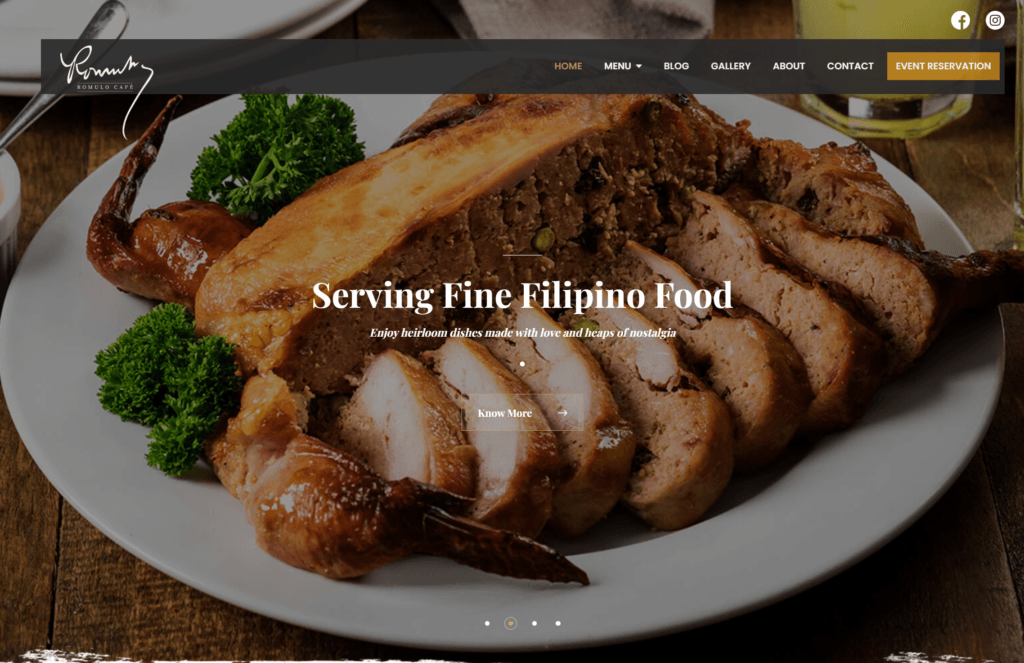
BGC also has an enormous range of Korean, Japanese, Filipino, Western, and international restaurants.
How to Get There
BGC does not currently have direct MRT or LRT service.
For most tourists, Grab is the simplest transportation option.
Buses and jeepneys are available, but they can be confusing for first-time visitors.
Once you are inside the central BGC area, walking becomes much easier.
E. Ortigas
Ortigas is often overlooked by tourists, but it is one of Metro Manila’s major commercial and business centers.
It is centrally positioned and includes areas of Pasig, Mandaluyong, and Quezon City. For visitors staying in this part of the metropolis, there is no need to travel to Makati or BGC every time you want restaurants, shopping, entertainment, or modern city life.
Main Attractions
SM Megamall
SM Megamall is one of the largest shopping and entertainment complexes in Metro Manila, with extensive shopping, cinemas, restaurants, cafés, and services.
The Podium
The Podium offers a more upscale shopping and dining environment close to the center of Ortigas.
Capitol Commons
Capitol Commons is a modern mixed-use development near Shaw Boulevard with residences, offices, restaurants, Estancia Mall, and landscaped public space.
Greenfield District
Just west of Ortigas Center, Greenfield offers restaurants, cafés, open spaces, and evening activities.
Where to Eat
For a well-known restaurant in Ortigas, Lugang Café at SM Megamall is a good choice. The restaurant is popular for Taiwanese and Chinese dishes, including xiao long bao, noodles, dim sum, and shared family-style meals. Its location inside SM Megamall also makes it convenient for visitors exploring Ortigas Center, The Podium, and the surrounding business district.
Capitol Commons and Estancia also have a large concentration of restaurants.
How to Get There
Ortigas is one of the easier major business districts to reach using public transportation.
The MRT-3 has Ortigas and Shaw Boulevard stations nearby. Grab and taxis are also widely available.
PhilifeGuide Tip: If your hotel is in Ortigas, avoid repeatedly traveling to BGC or Makati simply for meals or shopping. Ortigas already has enough dining and entertainment options for several days.
F. Manila Bay and Pasay
The Manila Bay and Pasay area is more about entertainment, shopping, events, and waterfront atmosphere than historic sightseeing.
It is also one of the most convenient parts of Metro Manila for travelers with early flights, conferences, concerts, or short stopovers.
Main Attractions
SM Mall of Asia
SM Mall of Asia combines shopping, restaurants, entertainment, cinemas, and waterfront areas. The complex describes itself as more than a mall and positions itself as a leisure destination.
Manila Bay Sunset
The Manila Bay area is famous for sunset views, although the quality of the experience depends heavily on where along the bay you are staying.
Entertainment and Events
Pasay contains major hotels, casinos, convention venues, and SM Mall of Asia Arena, which continues to host international concerts and sporting events in 2026.
Where to Eat
Around Manila Bay and the Mall of Asia complex, Vikings Luxury Buffet is one of the area’s better-known large buffet restaurants. Located along Seaside Boulevard at SM Mall of Asia, it offers a wide range of Filipino, Asian, Japanese, Chinese, and Western dishes and is especially popular with families and groups.
How to Get There
Grab or taxi is generally easiest.
Public transportation is available, but visitors unfamiliar with Manila may find transfers inconvenient.
From NAIA, travel time can vary enormously depending on traffic.
Best Day Trips and Short Trips from Manila
If you have three or more days in Metro Manila, consider spending part of your trip outside the city.
Some of the Philippines’ most enjoyable destinations are only a few hours away by road.
A. Tagaytay
Tagaytay is one of the most popular short escapes from Metro Manila.
Located at a higher elevation in Cavite, it offers cooler weather and views toward Taal Lake and Taal Volcano.
Main Attractions
- Taal Lake and volcano viewpoints
- cafés and restaurants overlooking the lake
- picnic and garden areas
- nearby amusement attractions
- cooler weather compared with Manila
What to Eat
Tagaytay is strongly associated with bulalo, a beef shank and bone marrow soup particularly enjoyable in cooler weather.
Restaurants with views of Taal are part of the Tagaytay experience.
How to Get There
By private car, Tagaytay is normally reached southward through Cavite.
Buses are also available, although a car gives visitors much more flexibility once they arrive.
Best for: Day trips, couples, families, food, cafés, and scenic views.
B. Batangas
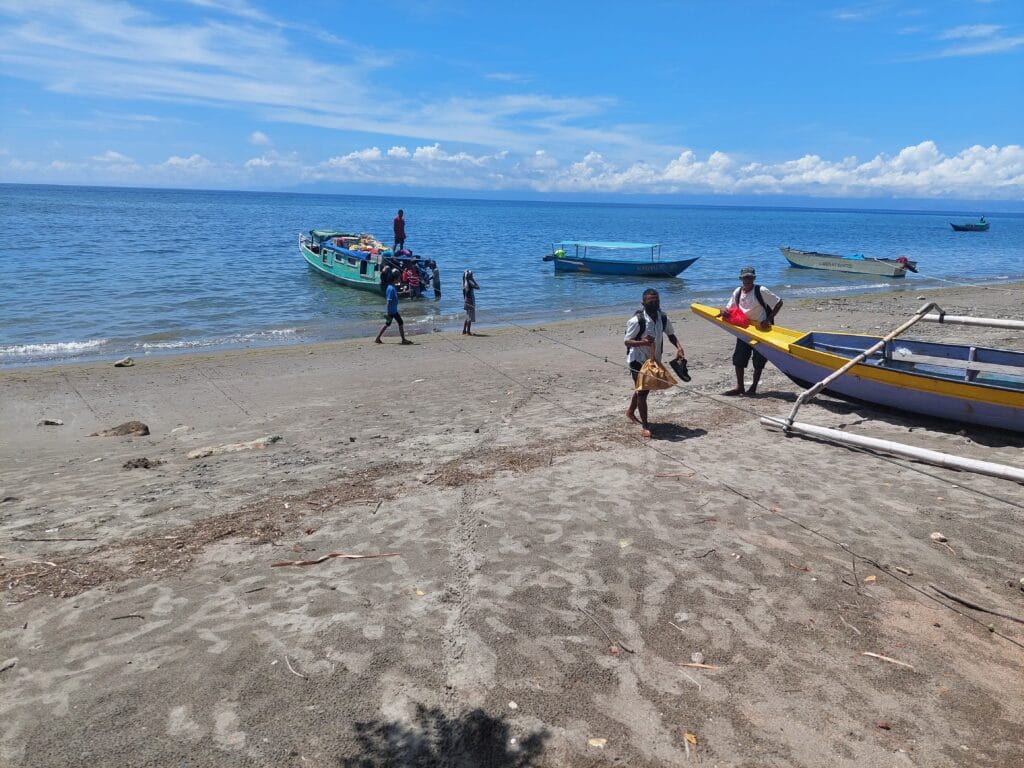
Batangas is a large province south of Manila, so visitors should choose a specific destination rather than simply planning to “visit Batangas.”
Three popular choices are Anilao, Nasugbu, and Laiya.
Main Attractions
Anilao
Best known for scuba diving and snorkeling.
Nasugbu
Convenient for beach resorts and relatively accessible from Manila and Tagaytay.
Laiya
Known for beach resorts and longer overnight stays.
What to Eat
Seafood is an obvious choice near the coast, while Batangas is also known for dishes and products such as lomi and kapeng barako.
How to Get There
Private car is usually the most convenient option.
Depending on your destination and traffic, Batangas can work either as a long day trip or, preferably, a one- or two-night stay.
C. Clark and Angeles
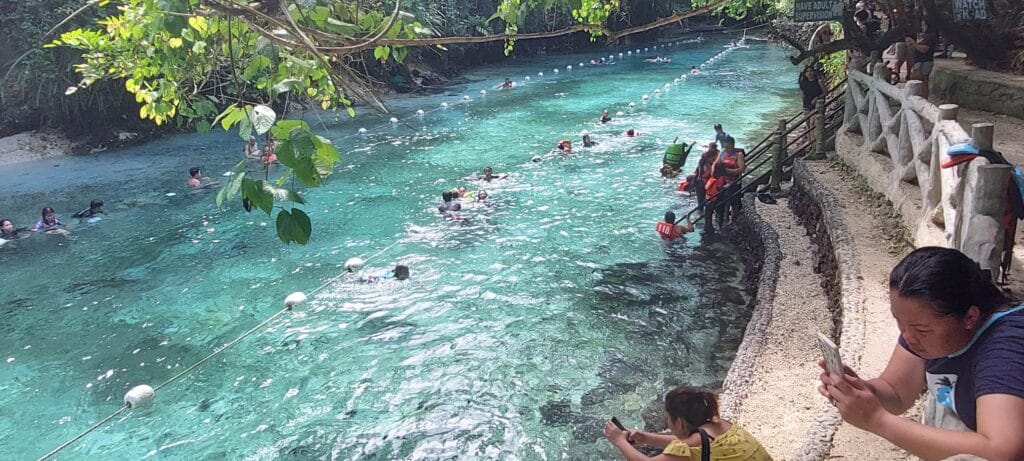
Clark and Angeles City in Pampanga are increasingly important destinations north of Manila.
Clark has developed into a major business, aviation, leisure, and entertainment area, while Angeles is particularly famous for Pampanga’s food culture and nightlife.
Main Attractions
- Clark Freeport
- golf and leisure activities
- Clark International Airport
- museums and historical sites
- Pampanga food trips
- Angeles nightlife
What to Eat
Pampanga is often considered one of the Philippines’ strongest culinary regions.
Visitors should look for dishes such as sisig, bringhe, tocino, and traditional Kapampangan specialties.
How to Get There
The easiest road route from Metro Manila uses NLEX and then SCTEX depending on the destination.
For visitors with a car, Clark is significantly easier to reach than many southern destinations because of the expressway network.
Best for: Food, business trips, golf, nightlife, events, and travelers using Clark International Airport.
D. Subic Bay
Subic Bay offers a very different atmosphere from Metro Manila.
The former U.S. naval base has developed into a tourism, commercial, waterfront, and recreation zone surrounded by forests and coastal areas.
Main Attractions
- Subic Bay waterfront
- beaches
- nature and outdoor activities
- family attractions
- duty-free and retail areas
- sailing and marine activities
What to Eat
The waterfront has a variety of seafood, Filipino, Asian, and international restaurants.
How to Get There
From Metro Manila, the usual road route is through NLEX and SCTEX.
Subic is possible as a very long day trip, but staying overnight makes the trip much more relaxed.
Best for: Families, road trips, outdoor activities, beaches, and weekend escapes.
How Many Days Do You Need in Manila?
One Day
Focus on historic Manila:
Intramuros → Rizal Park → National Museum → Manila Bay
Two Days
Add one modern district:
Day 1: Intramuros, Binondo, museums
Day 2: Makati or BGC
Three Days
Add another Metro Manila district:
Day 1: Historic Manila
Day 2: Makati + BGC
Day 3: Ortigas or Manila Bay, depending on your interests
Four to Five Days
Use one day for a trip outside Metro Manila:
Tagaytay, Batangas, Clark, or Subic
How to Get Around Manila
For most first-time foreign tourists, Grab is the easiest way to move around Metro Manila.
Taxis are also widely available, while MRT and LRT trains can be useful when destinations are located close to stations.
Jeepneys and buses are inexpensive and are part of the Manila experience, but routes can be confusing to newcomers.
Walking works well within certain districts such as:
- Intramuros
- central BGC
- Ayala/Greenbelt in Makati
- parts of Ortigas
- Binondo
But walking between districts is generally unrealistic.
The most important thing to remember is that distance in Metro Manila should be measured in travel time, not kilometers.
Is Manila Worth Visiting?
For many international visitors, Manila is simply the airport they pass through before traveling to Boracay, Palawan, Cebu, or other islands.
That is understandable, but it also means they miss an important part of the Philippines.
Manila is not the country’s easiest destination. It can be crowded, noisy, humid, congested, and sometimes overwhelming.
But it is also where many layers of Philippine history and modern life meet.
Within a relatively small metropolitan area you can experience Spanish colonial heritage in Intramuros, Chinese-Filipino culture in Binondo, museums around Rizal Park, modern corporate Manila in Makati and BGC, commercial life in Ortigas, and the entertainment districts around Manila Bay.
If you approach Manila as a collection of different neighborhoods rather than one giant city, it becomes much easier—and much more interesting—to explore.
Final Thoughts
The best Manila trip does not begin by trying to visit as many attractions as possible.
It begins by choosing the right hotel location, then exploring nearby districts logically.
For most first-time visitors, a good plan is to spend one day in historic Manila and Binondo, another day in Makati and BGC, and then use additional days for Ortigas, Manila Bay, or a trip outside Metro Manila.
Manila may not have the beaches that make the Philippines famous around the world, but it offers something very different: an introduction to the country’s history, food, business, culture, and modern urban life.
For travelers who take the time to understand how the city works, Manila can be much more than a stopover.
Leave a Reply