
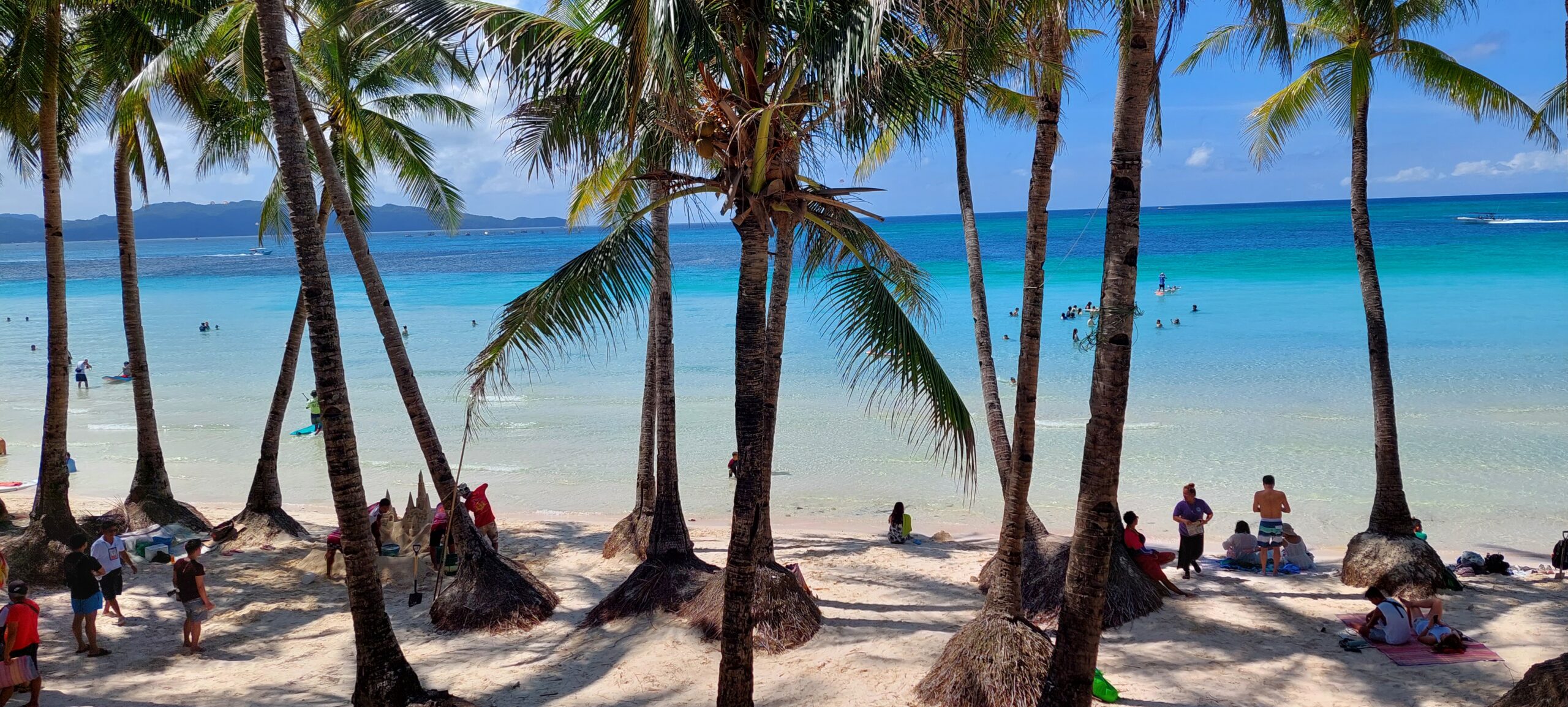
Living in the Philippines as a foreigner can be exciting, comfortable, and sometimes challenging.
For many foreigners, including Koreans and other long-term residents, the Philippines offers warm weather, widespread use of English, friendly communities, beautiful destinations, and living costs that can still be lower than in many developed countries.
But living here is very different from visiting as a tourist.
A short vacation may show you beaches, resorts, shopping malls, restaurants, and hotels. Daily life is more practical. You eventually have to think about housing, transportation, healthcare, internet, banking, safety, weather, and how much time ordinary errands actually take.
Wherever we live, these are the things that eventually matter.
Living in the Philippines as a Foreigner at a Glance
- Best for: Expats, retirees, remote workers, long-term visitors and foreign spouses
- Popular areas: Metro Manila, Cebu, Clark, Baguio, Iloilo and Dumaguete
- Main advantages: English communication, warm weather, service availability and relatively flexible living costs
- Main challenges: Traffic, heat, humidity, uneven infrastructure and access to healthcare outside major cities
- Housing: Condominiums are convenient in major urban areas, but total monthly costs should be calculated carefully
- Transportation: Location matters more than distance, especially in Metro Manila
- Healthcare: Good private hospitals are available in major cities, but insurance is strongly worth considering
- Best advice: Rent first, experience daily life and understand your real expenses before making long-term commitments
Foreigners planning to stay in the Philippines for an extended period should also understand their visa and immigration requirements before making long-term arrangements. Rules can vary depending on the type of stay, so it is better to check directly with the Philippine Bureau of Immigration rather than rely only on advice from friends, social media, or unofficial sources. The Bureau provides official information on visa categories, extensions, and other immigration requirements for foreign nationals.
You may also check our post on SRRV Philippines 2026: Complete Retirement Visa Guide for retirement visa for the Philippines living.
The Philippines Is Not the Same Everywhere
One of the first things newcomers should understand is that the Philippines is not the same everywhere.
Life in Metro Manila is very different from life in Cebu, Clark, Baguio, Iloilo, Dumaguete or a smaller provincial city.
Metro Manila gives residents easier access to major hospitals, embassies, international airports, international schools, shopping malls, restaurants and business services. For this reason, many foreigners who work as expatriates or operate businesses choose to live in Manila.
The trade-off is traffic, higher condominium prices and a faster, more stressful lifestyle.
Retirees have more flexibility and are often spread across different parts of the country. Some prefer Cebu because it combines urban conveniences with easier access to beaches. Others choose Clark for its roads and airport access, Baguio for its cooler climate, or quieter provincial cities for a slower pace of life.
The right location therefore depends less on which city is supposedly “best” and more on how you actually want to live.
Housing Is More Than Just Rent
Housing is usually one of the largest monthly expenses.
Many foreigners choose condominium living because condominiums often provide security, building maintenance, elevators, parking options, swimming pools, gyms and convenient locations near commercial areas.
However, the advertised rent is not necessarily the real monthly cost.
Depending on the arrangement, you may also need to think about electricity, water, internet, parking, repairs and condominium association dues.
This is especially important in Metro Manila, where air-conditioning can significantly increase electricity consumption.
Before renting or buying, calculate the total monthly cost, not only the rent or purchase price.
For newcomers, I generally think renting first is much safer. Living in an area for several months teaches you much more than visiting it for a few days.
Our guide to Condo Living and Transportation in Manila explains this in more detail.
Location Matters More Than Distance
Transportation is another important part of daily life in the Philippines.
This is particularly true in Metro Manila.
A place that looks close on Google Maps may take much longer than expected during rush hour. A few kilometers can sometimes turn into a surprisingly long trip.
Because of this, newcomers should choose housing based on their daily routine rather than simply looking at distance.
If you work in BGC, living relatively close to BGC may improve your daily life more than renting a cheaper condominium much farther away.
Some residents rely on Grab, taxis or hired drivers. Others maintain their own cars.
Owning a car gives you more freedom, but it also brings the expenses we all know: fuel, insurance, maintenance, parking, registration and the occasional repair that always seems to happen at the wrong time.
Public transportation is improving, but convenience varies considerably depending on where you live.
Food Can Be Cheap—or Surprisingly Expensive
Food costs in the Philippines depend heavily on lifestyle.
Local restaurants, neighborhood eateries, wet markets and Filipino groceries can be relatively affordable.
Imported products are another story.
Foreign groceries, premium supermarkets, international restaurants and specialty products can quickly increase your monthly budget.
For Koreans, living in Metro Manila is relatively easy in this respect. Korean restaurants, supermarkets and specialty stores are available in areas such as Makati, BGC, Ortigas and Quezon City.
The interesting thing about living in the Philippines is that two people can have completely different monthly food expenses while living in the same city.
One may eat mostly local food and cook at home. Another may regularly buy imported groceries and eat at international restaurants.
Both lifestyles are possible, but the budgets will look very different.
You can see more realistic examples in our guide to the Cost of Living in the Philippines in 2026.
Healthcare Deserves Serious Planning
Healthcare should be considered carefully before deciding where to live.
Major private hospitals in Metro Manila and other large cities can provide high-quality medical care, but treatment can become very expensive without insurance.
This is something foreigners should not underestimate.
In smaller towns and provincial areas, everyday medical care may be available, but access to specialists, advanced diagnostics and major hospitals can be more limited.
Long-term residents should know:
- where the nearest major hospital is;
- where the nearest 24-hour pharmacy is;
- what their health insurance actually covers;
- how they would travel to a hospital during an emergency.
The beach may be beautiful, but when you suddenly need a cardiologist at midnight, proximity to medical care feels much more important.
Internet and Mobile Service Are Usually Manageable
Internet service has improved significantly in major Philippine cities, and fiber connections are widely available in many condominiums and residential areas.
However, quality still depends on the building and location.
Before signing a long-term lease, especially if you work online, ask which internet providers serve the property.
Mobile data is also useful as a backup.
For remote workers and business owners, having two ways to connect to the internet is often worth the extra cost.
Banking and Payments Take Some Adjustment
Cash remains useful in the Philippines, although digital payments have become increasingly common.
GCash and other electronic payment methods are widely used, especially in cities. Credit cards are accepted by many malls, hotels, restaurants and larger businesses, but smaller establishments may still prefer cash.
Foreign residents may also need time to understand local banking requirements, international transfers and ATM charges.
My advice is simple: do not depend entirely on one payment method.
A combination of a local account, international card, digital wallet and some emergency cash makes daily life much easier.
Weather Changes Daily Life More Than Visitors Expect
The Philippines is a tropical country.
Heat and humidity become part of everyday life, particularly during the warmer months.
Air-conditioning is not simply a luxury for many residents. It affects comfort, sleep and electricity bills.
Rain also changes daily routines.
A short afternoon rainstorm can affect traffic, transportation and walking conditions much more than a visitor might expect.
Typhoons are another reality of living in the country. Their impact depends heavily on location, but every long-term resident should understand basic emergency preparation.
Weather is not necessarily a reason not to live here. It is simply part of the lifestyle that newcomers need to adapt to.
Safety Depends Greatly on Location and Behavior
Like almost every country, the Philippines has both very safe areas and places where visitors should exercise more caution.
Daily safety depends heavily on where you live, where you travel and how you behave.
Foreigners sometimes attract attention simply because they are visibly unfamiliar with the area. Basic precautions—being aware of your surroundings, using reliable transportation at night and avoiding unnecessary displays of expensive items—can prevent many problems.
I discuss this from a more personal perspective in Is the Philippines Safe to Travel in 2026?.
The important thing is not to become unnecessarily afraid, but also not to become careless simply because you feel comfortable.
Do Not Make Big Decisions Too Quickly
For many newcomers, living in the Philippines as a foreigner becomes easier after they understand how housing, transportation, healthcare, and daily payments work.
The Philippines can be an excellent place to live, but it rewards realistic expectations.
Before buying property, starting a business or completely changing your life, spend time experiencing normal daily life.
Not vacation life.
Normal life.
Go grocery shopping. Sit in rush-hour traffic. Pay an electricity bill. Visit a hospital. Try the internet connection during heavy rain. Spend several weekdays in the neighborhood where you are thinking about living.
Stay for several months if possible.
Try different areas.
Calculate your real expenses.
Observe how your routine feels.
These experiences will tell you much more than any promotional brochure or YouTube video.
Final Thoughts
Ultimately, living in the Philippines as a foreigner is much easier when you take time to understand the country before making permanent decisions.
Living successfully in the Philippines is not only about enjoying warm weather, beaches or lower living costs.
It is about creating a practical, safe and meaningful lifestyle that works for you every day.
For some foreigners, the Philippines becomes home very quickly. Others discover that they prefer visiting rather than living here permanently.
Both conclusions are perfectly reasonable.
The best way to know is to experience the country slowly, understand how daily life actually works, and make major decisions only after you have lived through the ordinary days—not just the beautiful ones.
If you are considering a longer stay or retirement, our guides to Retirement in the Philippines and Preparing for Retirement in the Philippines may also be useful.
Leave a Reply