

Healthcare is one of the most important practical questions for anyone planning to retire in the Philippines. The country has excellent doctors and well-equipped private hospitals in major cities, but access, cost and specialist availability vary sharply by location. Foreign retirees also need to understand what PhilHealth can and cannot do, whether private insurance will accept them at their age, and how much cash they should keep available for medical expenses.
This guide is for foreign retirees and long-stay residents who want to build a realistic healthcare plan before moving. It explains how the public and private systems fit together, what to check when choosing a retirement location, how PhilHealth applies to foreign retirees, and why insurance and emergency planning matter as much as hospital choice.
Quick Answer
- Major urban centers generally offer the widest choice of private hospitals, specialists, diagnostics and emergency care; smaller cities and islands may require transfer for complex treatment.
- PhilHealth can reduce eligible medical costs, and the Philippine Retirement Authority currently lists a PhilHealth insurance special rate among SRRV benefits, but retirees should not treat PhilHealth as a substitute for comprehensive private medical insurance.
- Private health insurance or an international medical policy can provide much stronger financial protection, but premiums, age limits, exclusions, deductibles and pre-existing-condition rules vary widely.
- Choose your retirement city partly by healthcare access: identify a primary hospital, backup hospital, specialists you may need, and a realistic route to emergency care before signing a long-term lease or buying a condominium.
- Keep a medical reserve for deductibles, medicines, tests, deposits and services that insurance may not reimburse.
How Healthcare in the Philippines Works for Retirees
The Philippines has both government and private healthcare providers. For a foreign retiree, the practical question is usually not whether medical care exists, but what level of care is available close to home and how it will be paid for.
Government hospitals can provide important services at lower cost, but demand can be high and facilities vary by location. Private hospitals generally offer a more familiar experience for foreign patients, with private rooms, direct access to many specialists, modern diagnostics and English widely used by medical staff. The trade-off is higher out-of-pocket cost.
The Department of Health regulates hospitals and other health facilities through its licensing system. When comparing retirement locations, it is useful to check whether nearby hospitals are licensed and what services they actually provide rather than relying only on advertisements or the word “hospital.” A facility that is adequate for routine care may not have a cardiac catheterization laboratory, stroke team, intensive care capability, oncology services or a particular surgical specialty.
This is one reason healthcare should be part of the location decision from the beginning. Our Best Places to Retire in the Philippines in 2026 guide compares retirement destinations, but anyone with a significant chronic condition should give hospital access more weight than beaches, climate or rent.
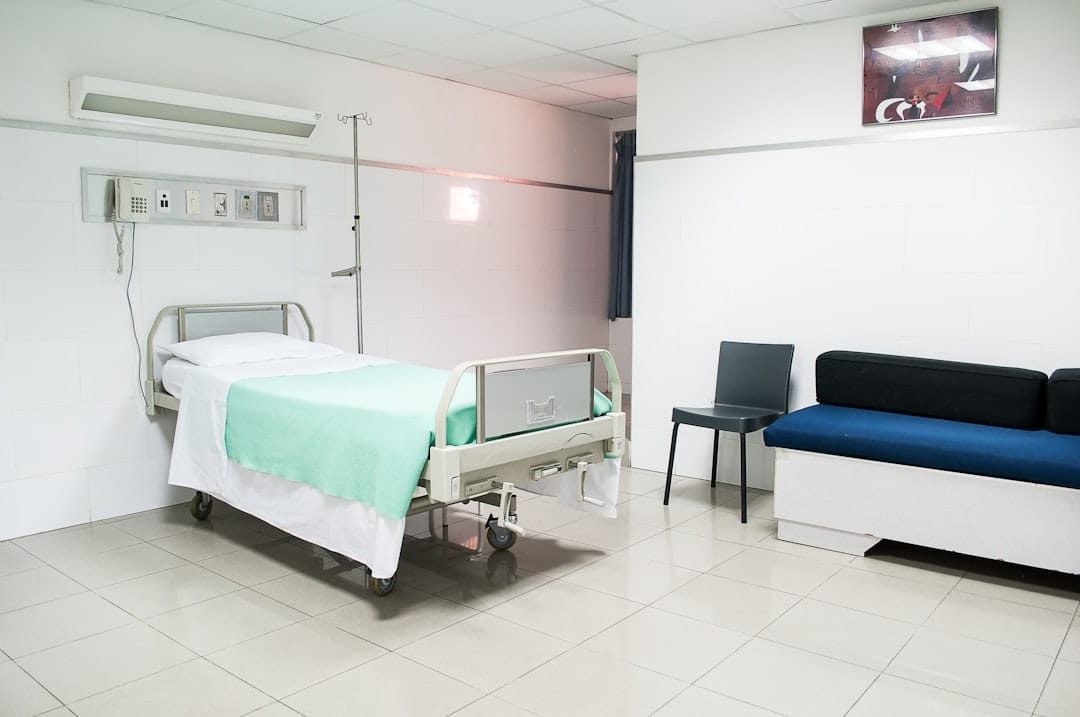
Where Retirees Usually Get Medical Care
For routine needs, retirees commonly use a combination of private clinics, diagnostic centers, pharmacies and hospitals. In large metropolitan areas, it is often possible to keep a regular internist or family physician and see specialists in the same hospital network. This makes records, laboratory work and follow-up appointments easier to coordinate.
Metro Manila has the country’s deepest concentration of tertiary care and specialists. Cebu and Davao also have major private and public hospitals and are practical bases for many retirees. Other retirement cities can be very comfortable for everyday living, but complex cases may still require travel to a larger regional center or Manila.
Before choosing a home, check the actual travel time to a hospital during weekday traffic, not just the distance on a map. A condominium that appears to be only a few kilometers from a hospital can still be a poor choice if the route is routinely congested. On an island or in a remote coastal community, ask how patients are transferred when local facilities cannot manage the case.
A useful rule is to identify three levels of care: a nearby clinic for routine visits, a primary hospital for emergencies and admissions, and a tertiary referral hospital for complex treatment. Save their telephone numbers and locations in your phone and share the plan with your spouse, partner or emergency contact.
PhilHealth for Foreign Retirees
PhilHealth is the Philippines’ national health insurance program. Foreign retirees should verify their own eligibility and enrollment route directly with PhilHealth or, for SRRV members, with the Philippine Retirement Authority before paying or relying on benefits. The PRA’s current SRRV online information specifically lists a “PhilHealth Insurance Special Rate” among SRRV-holder benefits.
For the broader PhilHealth system, the 2026 premium rate for direct contributors remains 5% of monthly basic income, subject to the program’s applicable income floor and ceiling. That general contribution schedule should not be assumed to be the exact amount payable under a special PRA arrangement; foreign retirees should confirm the rate applicable to their membership category.
PhilHealth is best viewed as one layer of protection. Benefits are paid according to PhilHealth rules and benefit packages rather than as an unlimited percentage of every hospital bill. A retiree using a private hospital can therefore still face substantial charges for professional fees, room upgrades, medicines, diagnostics, procedures or items beyond the applicable benefit.
SRRV holders should also review our SRRV Philippines 2026 guide. Visa status and health coverage are separate issues: having legal long-term residence does not by itself mean that all healthcare expenses are covered.

Private Health Insurance: What to Check Before You Move
For many foreign retirees, private insurance is the most important protection against a large hospital bill. The right policy depends heavily on age, medical history, budget and whether the retiree expects to receive treatment only in the Philippines or also abroad.
Local health plans can be more affordable and may have useful hospital networks, but some products have entry-age limits, benefit ceilings or restrictions that become more important later in retirement. International medical insurance can offer higher limits and wider geographic coverage, but premiums can rise substantially with age. Policies may also exclude or limit pre-existing conditions.
Before buying a policy, compare the contract rather than the marketing headline. Ask these questions:
- What is the maximum entry age, and can the policy be renewed for life or only to a stated age?
- Are existing conditions excluded, covered after a waiting period, or covered with an additional premium?
- What are the annual and lifetime benefit limits?
- Is outpatient care included, or is the policy mainly for hospitalization?
- Are cancer treatment, dialysis, cardiac procedures, rehabilitation and mental healthcare covered?
- Which hospitals can arrange cashless admission or direct billing?
- What deductible, co-payment or room limit applies?
- Does the plan cover emergency evacuation or treatment outside the Philippines?
Do this comparison before relocating, particularly if you are approaching an insurer’s age threshold. Waiting until after a serious diagnosis can sharply reduce your options.
What Healthcare Actually Costs
There is no single reliable “Philippines hospital price” because charges vary by hospital, room type, physician, procedure, city and medical complexity. A consultation at a neighborhood clinic and an appointment with a senior specialist at a major private medical center are different products. The same is true for laboratory work, imaging and surgery.
For retirement planning, the more useful approach is to budget by category rather than depend on a single national average. Include recurring consultations, maintenance medicines, dental and vision care, routine laboratory tests, insurance premiums, deductibles and an emergency reserve. If you have diabetes, heart disease, kidney disease or another chronic condition, obtain realistic local prices for your specific medicines, tests and specialist follow-up before moving.
Private hospitals may also require payment arrangements before non-emergency procedures or discharge. Even with insurance, a retiree should keep access to cash or a sufficiently high credit limit while authorization or reimbursement is being processed.
Healthcare is only one part of the monthly budget. Our guide to the cost of living in the Philippines in 2026 can help you place medical spending alongside housing, food, transport and utilities.
Choosing a Retirement Location Based on Healthcare
A healthy retiree in their 50s may reasonably prioritize lifestyle and accept a longer trip for specialist care. The calculation changes for someone in their 70s with cardiac disease, a history of stroke, cancer follow-up or reduced mobility.
Use a practical checklist before committing to a location:
| Question | Why It Matters |
|---|---|
| Is there a licensed hospital within a realistic emergency travel time? | Distance alone can hide traffic, ferry or road delays. |
| Does it have 24-hour emergency care, ICU and the specialists you may need? | Smaller hospitals may stabilize and then transfer complex cases. |
| Is your insurer accepted for direct billing? | Network status can reduce the need for large cash advances. |
| Can you obtain your regular medicines locally? | Brand availability and prescription requirements can differ. |
| How would you reach a tertiary hospital? | This matters greatly on islands and in remote provinces. |
| Can a spouse or caregiver manage transport and paperwork? | Medical logistics become harder during an emergency. |
Healthcare access should also influence housing. An elevator, backup power, walkable pharmacy and easy vehicle pickup may matter more with age than a sea view or larger floor area.

Medicines, Prescriptions and Ongoing Care
Large pharmacy chains and hospital pharmacies carry a wide range of medicines, but a specific foreign brand may not always be available. Before relocating, ask a Philippine doctor or pharmacist about the generic name of each maintenance drug and whether an equivalent is routinely stocked.
Do not assume that a prescription issued abroad will always be handled in exactly the same way in the Philippines. Controlled medicines and certain prescription drugs can have additional requirements. For long-term treatment, establish care with a local physician who can review your records, monitor laboratory results and issue appropriate local prescriptions.
Bring a concise medical summary when you move: diagnoses, previous operations, allergies, current medicines with generic names and doses, vaccination history, recent test results and contact details for your previous physicians. Keep a digital copy and a printed emergency copy.
Retirement preparation is easier when these details are organized before the move. See our practical retirement preparation guide for the broader relocation process.
Emergency Planning for Foreign Retirees
A good healthcare plan is not complete until it answers what happens at 2 a.m. during a medical emergency. Save the emergency department numbers of your preferred hospitals and know the national emergency number, 911. In condominium communities, also learn the building’s emergency procedure and whether security can assist an ambulance or vehicle at the entrance.
If you live outside a major city, ask your local hospital how transfers are normally arranged. Do not assume that air evacuation is immediately available or covered by insurance. If medical evacuation is important to you, check the exact wording of your policy, including triggers, destination rules and authorization requirements.
Keep identification, insurance details, PhilHealth information if applicable, a list of medicines, allergies and emergency contacts in an accessible place. A spouse or trusted person should know where these are. Retirees living alone should consider a check-in arrangement with a friend, neighbor or building staff.
Common Mistakes to Avoid
- Choosing a retirement destination without checking hospital capability. A good lifestyle location is not automatically a good medical location.
- Assuming PhilHealth will pay the entire bill. Treat it as a useful layer of coverage, not an unlimited comprehensive policy.
- Buying insurance based only on the monthly premium. Age limits, exclusions, annual limits, deductibles and hospital networks matter more when a serious claim occurs.
- Ignoring pre-existing conditions until after relocation. Get written information from insurers before giving up existing coverage in your home country.
- Keeping no medical cash reserve. Insurance authorization and reimbursement can take time, and some expenses may remain out of pocket.
- Living remotely without a transfer plan. Know in advance where complex emergencies would be referred.
FAQ
Can foreign retirees use PhilHealth?
Foreign retirees may have enrollment routes depending on their status, and the PRA currently lists a PhilHealth insurance special rate as an SRRV benefit. Because eligibility, contribution rules and benefit arrangements can change, confirm your specific case directly with PhilHealth or PRA before relying on coverage.
Do I still need private health insurance if I have PhilHealth?
For most retirees who want protection against major private-hospital expenses, it is prudent to evaluate private or international medical insurance as an additional layer. PhilHealth benefits can reduce eligible costs but are not designed as unlimited comprehensive private insurance.
Is healthcare good outside Manila?
Many regional cities have capable hospitals and specialists, but the range of advanced services is not uniform. Cebu and Davao are major medical centers, while smaller cities may refer complex cases to larger regional or Manila hospitals. Check the services relevant to your own health rather than judging a city only by the number of hospitals.
Should I keep health insurance from my home country?
That depends on whether it covers treatment abroad, your expected travel pattern and whether you may return home for major treatment. Before cancelling an existing policy, compare its renewal rights and pre-existing-condition protection with any replacement policy in writing.
Conclusion
The Philippines can work well for retirement healthcare, especially for people who choose their location carefully and plan how they will pay for care. Major cities offer strong private-hospital options and English-speaking medical professionals, while provincial and island living may involve more limited specialist access and longer transfers.
The safest approach is layered: know your nearest appropriate hospitals, confirm whether PhilHealth applies to you, maintain suitable private or international insurance if available, and keep an emergency medical reserve. Retirees with chronic or complex conditions should choose housing and location around healthcare access rather than treating it as an afterthought. Review the plan every year as your health, insurance and local medical options change.
Medical / Healthcare Disclaimer: This article is for general informational purposes only and is not a substitute for professional medical advice, diagnosis, treatment, insurance advice or individualized coverage guidance. Healthcare benefits, insurance terms and government rules may change. Confirm current information with PhilHealth, the Philippine Retirement Authority, your insurer and qualified healthcare professionals.
Sources
- PhilHealth — Premium Contribution for All Direct Contributors
- Philippine Retirement Authority — SRRV information and benefits
- Philippine Retirement Authority — official website
- Department of Health NCR — Regulation, Licensing and Enforcement Division
Last updated: September 21, 2026
Leave a Reply