
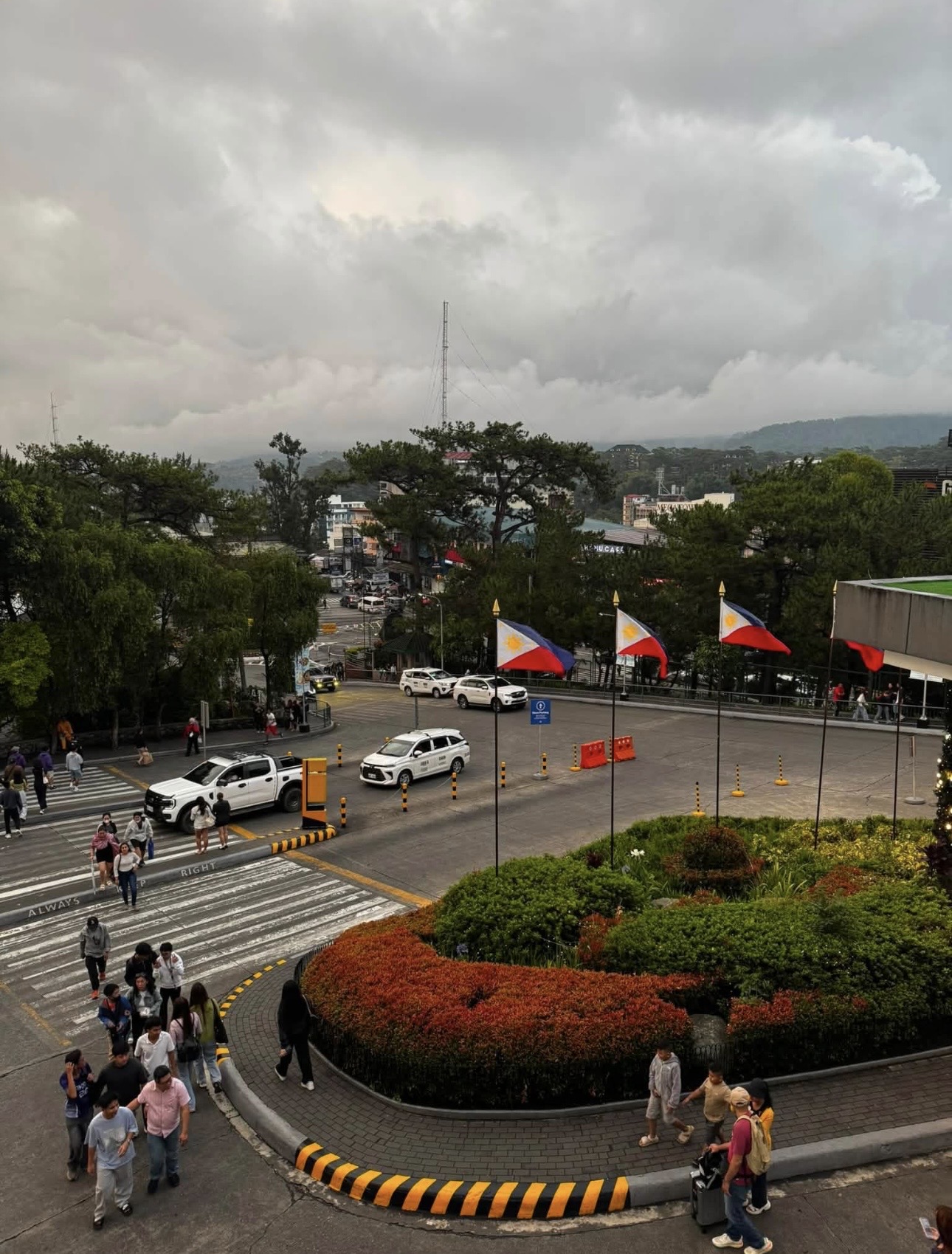
The Philippines is a tropical country. We are accustomed to heat, humidity, beaches, coconut trees, and afternoons when walking outside for ten minutes can already make you sweat. Then you arrive in Baguio, roll down the car window, and suddenly the air feels completely different.
For Filipinos who have visited many times, that first cool breeze is almost nostalgic. For a foreign visitor who has never been there, Baguio may also challenge the usual image of what the Philippines looks and feels like.
For visitors exploring the country for the first time, understanding daily life beyond the tourist attractions can make the experience much more enjoyable. Our guide to Living in the Philippines: A Practical Starting Guide for Newcomers explains what to expect from everyday life, transportation, culture, and local customs.
Why Visit Baguio?
Baguio has always had a special place in the hearts of many Filipinos. Maybe it is the cold weather, the smell of pine trees, the fog suddenly covering the road, or simply the feeling that life moves a little more slowly there. Whatever the reason, Baguio feels different from almost anywhere else in the Philippines.
Baguio sits high in the mountains of northern Luzon and has long been known as the country’s Summer Capital because of its cooler climate. Popular attractions include Burnham Park, Mines View Park, Camp John Hay, Wright Park, The Mansion, the Botanical Garden, Baguio Cathedral, BenCab Museum, and Session Road.
But what I like about Baguio is that you do not necessarily need a complicated itinerary to enjoy it. Sometimes the best part of the city is simply waking up early, putting on a jacket, buying something warm to drink, and walking without being in a hurry.
This Baguio Travel Guide 2026 covers the practical things first-time visitors should know, from transportation and weather to food, attractions, payments and nightlife.
Baguio Travel Guide 2026 at a Glance
- Best for: Cool weather, food, weekend trips, parks and mountain scenery
- Ideal stay: 2–3 days
- From Manila: Around a half-day by road depending on traffic
- Best way around: Taxi, jeepney, walking and private car
- Bring: Light jacket, umbrella and some cash
- Popular places: Burnham Park, Camp John Hay, Mines View, Botanical Garden, Session Road
- Evening highlight: Baguio Night Market
- Food to try: Cordillera dishes, vegetables, strawberries, Filipino comfort food and street food
Table of Contents
How to Get to Baguio from Manila
If you are driving from Metro Manila, the usual journey north takes you through NLEX, SCTEX and TPLEX before continuing toward the roads leading up to Baguio.
If you’re planning to live in Metro Manila before exploring destinations like Baguio, our guide to Condo Living and Transportation in Manila may also be useful.
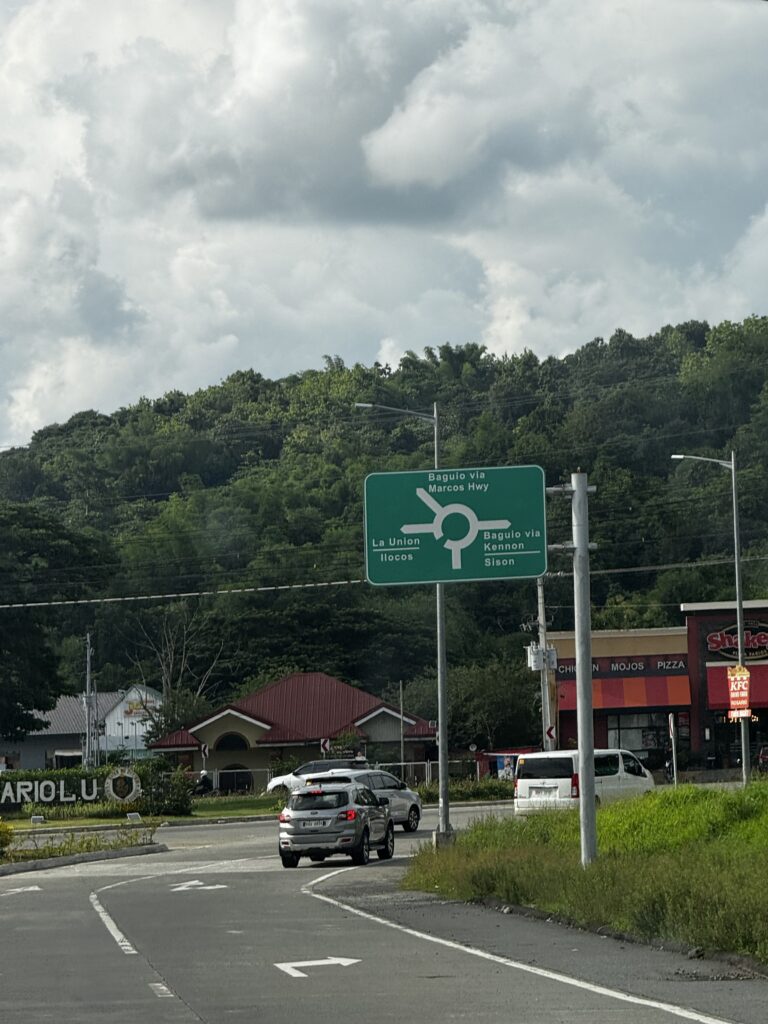
Eventually, one important decision is which mountain road to take.
Marcos Highway vs Kennon Road
For many drivers, Marcos Highway, officially Aspiras–Palispis Highway, is the more straightforward choice. The road is generally wider and is often preferred by buses, larger vehicles, and drivers who are not familiar with mountain roads.
Kennon Road, on the other hand, is historic, dramatic, and beautiful. Its winding route passes through steep mountain terrain, and the scenery can make the drive itself feel like part of your vacation. Kennon is also the route where you can see the famous Lion’s Head.
The trade-off is that Kennon Road can be more vulnerable to rockfalls, landslides, and weather-related closures. For example, DPWH has temporarily closed it following severe weather in the past because of rockfall and soil-collapse risks.
So, my personal rule is simple: if you want the easier and generally more comfortable drive, take Marcos Highway. If you want a more scenic experience and conditions are good, Kennon Road can be memorable.
Before choosing Kennon, however, check the latest road advisories from the Department of Public Works and Highways – Cordillera Administrative Region (DPWH-CAR).
And whichever route you choose, do not underestimate mountain driving. The road may look beautiful, but the curves, fog, rain, and elevation demand attention.
Cash, GCash and Credit Cards in Baguio
One practical lesson from visiting Baguio is this: do not depend entirely on cards or e-wallets.
Baguio is a modern city, and plenty of establishments accept electronic payments. But smaller restaurants, cafés, stalls, markets, taxis, and other local businesses may still be more comfortable with cash.
This is one of those small things tourists do not always think about until they are already standing in front of the cashier looking at their phone.
So bring your cards, bring GCash—but keep some pesos in your wallet too.
Is Baguio Safe for Tourists?
One thing I notice whenever I return to Baguio is the visible presence of police officers.
Around many of the busy tourist areas, roads, parks, commercial districts, and crowded public spaces, you will often see police officers or other uniformed personnel nearby. Sometimes they are directing traffic, sometimes they are walking around tourist areas, and sometimes they are simply stationed where large numbers of people gather.
For me, this makes Baguio feel more organized and reassuring, especially when walking around places such as Burnham Park, Session Road, Harrison Road, and the Night Market.
Of course, seeing police officers does not mean that travelers should completely stop paying attention to their surroundings. Like in any busy city, you should still keep your phone, wallet, and personal belongings secure, particularly in crowded places.
But compared with many destinations where you rarely see authorities unless something has already happened, Baguio gives me the impression that there is a more visible public-safety presence.
And tourists will probably notice it too.
You can be walking toward Burnham Park, driving through a busy intersection, shopping near Session Road, or entering an area with many visitors, and it is quite common to see police personnel nearby.
For someone visiting Baguio for the first time, especially a foreign traveler unfamiliar with the city, that visible presence can provide a little extra peace of mind.
It is one of those small details that may not appear in a normal travel brochure, but you notice it when you are actually there.
Things to Do in Baguio
This Baguio Travel Guide 2026 is designed for travelers spending two or three days in the city, although many of the highlights can also fit into a weekend trip.
Burnham Park in the Morning
If this is your first time in Baguio, I would start one morning at Burnham Park.
Buy a warm cup of taho from one of the vendors and walk around the park while the city is still waking up.
There is something unusually satisfying about eating warm taho in Baguio’s cold morning air. Taho is available almost everywhere in the Philippines, but somehow it tastes better when your hands are cold and the steam is rising from the cup.
Then rent one of the bicycles.
You can peacefully cycle around the park and enjoy the morning.
Or, if you are like some of us, spend half your time trying not to bump into another bicycle.
I am joking—but anyone who has rented those bikes in Burnham Park probably understands what I mean.
You can also rent a boat at the lagoon, walk around the gardens, sit on a bench, or simply people-watch. Burnham Park is one of Baguio’s classic attractions and remains one of the easiest places to experience the everyday side of the city.
Go Beyond the Usual Baguio Checklist
If you have more than one day, do not limit your trip to Burnham Park and Session Road.
Visit Camp John Hay if you want pine trees, open spaces, and a quieter atmosphere.
Go to Mines View Park for one of the city’s classic viewpoints.
Visit Wright Park and The Mansion, which are conveniently close to each other.
Walk through the Baguio Botanical Garden if you want something greener and more relaxed.
For art lovers, BenCab Museum is another worthwhile stop. And if you want something slightly different from the traditional Baguio itinerary, Mirador Heritage and Eco-Spirituality Park has become another popular destination, with gardens, Cordillera-inspired features, and views across the city.
Baguio Night Market: What to Expect
When evening comes, one place I think every first-time visitor should experience is the Baguio Night Market along Harrison Road, close to Burnham Park.
The market is known particularly for inexpensive clothes, shoes, bags, accessories, ukay-ukay finds and food stalls. It traditionally comes alive around 9 p.m., when vendors set up and crowds begin filling Harrison Road.
This is where Baguio changes personality.
During the morning, Burnham can feel calm and almost sleepy.
At night, Harrison Road can become noisy, crowded and energetic.
People are hunting for bargains. Someone is carrying three jackets they probably did not intend to buy. Somebody is negotiating over fifty pesos. Smoke and the smell of grilled food drift through the air.
And suddenly you also want street food even though you told yourself you were already full.
That is part of the experience.
Do not expect a polished shopping mall.
The Night Market is crowded, a little chaotic and very Filipino.
And that is precisely why I like it.
The market’s combination of thrift shopping and food is also repeatedly mentioned by visitors, with weekends tending to become especially crowded.
Keep your valuables secure, wear comfortable shoes and don’t rush.
If you find a ₱100 jacket that somehow looks amazing on you, congratulations.
You have experienced one of Baguio’s small victories.
What to Eat in Baguio
Eat Pinakbet and Kare-Kare at Solibao
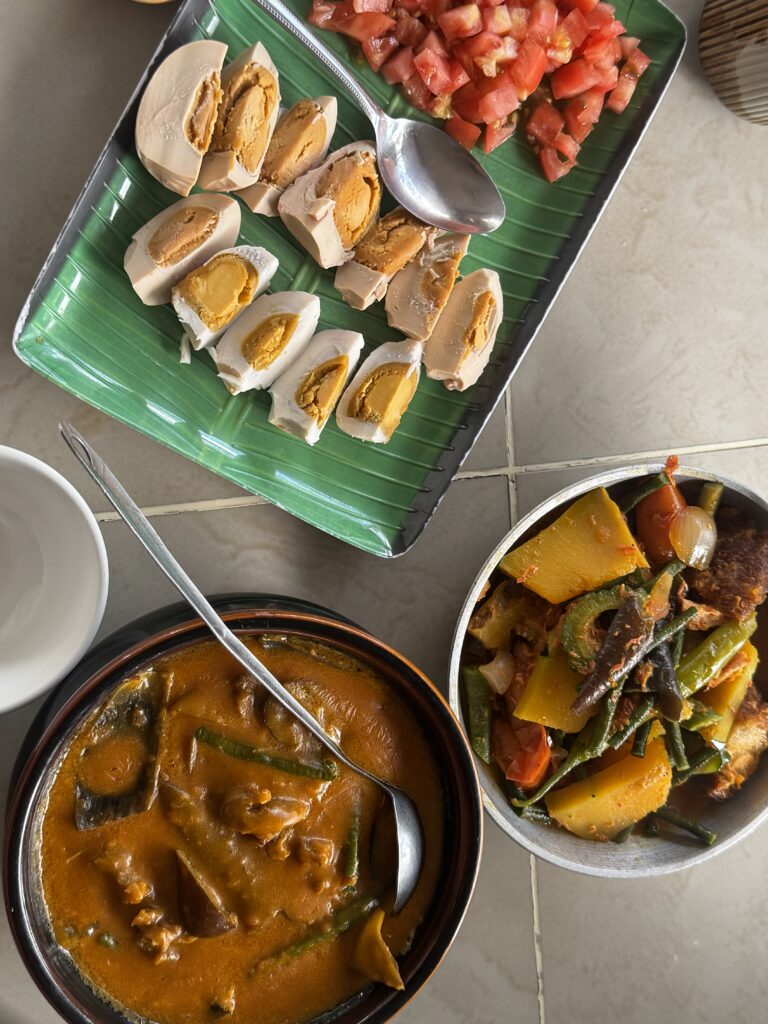
Food is another reason I enjoy Baguio.
One restaurant I personally associate with the city is Solibao Restaurant, particularly when I am craving Filipino comfort food such as pinakbet and kare-kare.
And this is something I think foreign visitors should understand about traveling around the Philippines: sometimes the most memorable meal is not the most expensive or Instagram-famous restaurant.
Sometimes it is simply hot rice, vegetables, meat, sauce, and familiar Filipino flavors eaten while the weather outside is cold.
That contrast makes the food even more comforting.
If you are visiting from another country, Baguio is also a good place to explore the food traditions of the Cordillera. Beyond standard Filipino dishes, look for local vegetables, strawberries, coffee, ube products, and regional dishes whenever you have the opportunity.
And Yes, You Should Eat Balut
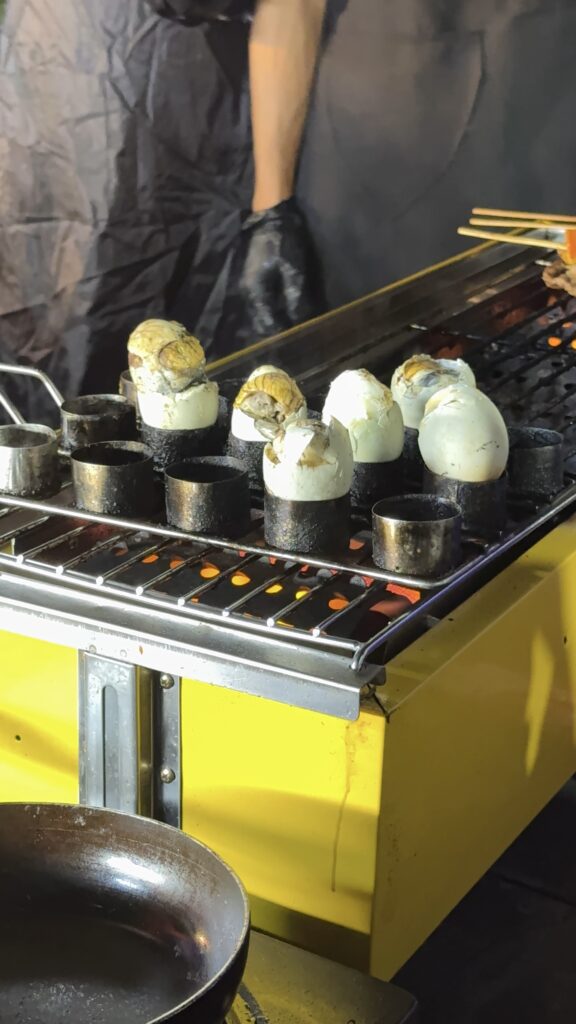
Now we have to discuss something that foreigners visiting the Philippines eventually encounter.
Balut.
If you have never heard of it, you might want to finish eating before Googling it.
Balut is a fertilized duck egg that is boiled and eaten from the shell. It is one of the Philippines’ most famous—and, for many foreign visitors, most intimidating—street foods.
Filipinos usually eat it with a little salt, sometimes vinegar or chili.
If you are brave enough, Baguio at night is as good a place as any to try it.
And if you cannot handle balut yet, don’t worry. Filipino street food gives you plenty of easier options.
Depending on the stalls you encounter, you may find fish balls, squid balls, kwek-kwek, kikiam, siomai, grilled hotdogs, barbecue, isaw, fried snacks, corn and other inexpensive street foods.
Part of the fun is simply walking around and choosing whatever smells good.
For a foreign traveler, I would suggest starting slowly.
Maybe fish balls first.
Then kwek-kwek.
Then barbecue.
And after you have built enough courage…
Balut.
Consider it your Philippine graduation ceremony.
Baguio Nightlife and Where to Have a Drink
Have a Drink at Rumours Bar and Restaurant
After walking through the Night Market, eating street food and convincing yourself that you needed another ukay-ukay jacket, you may want somewhere quieter to sit down.
One place I like is Rumours Bar and Restaurant on Session Road.
It is relatively close to Burnham Park and the Night Market, making it an easy continuation of an evening in the city.
What I like about going to a bar in Baguio is something extremely simple:
Drinking in cold weather feels different.
In Manila, sometimes you walk out of a bar and immediately feel the humidity.
In Baguio, you step outside and the cold air hits you.
Suddenly the jacket you have been carrying around all night finally has a purpose.
Rumours has also been part of Baguio’s nightlife for decades, giving it more of an old-school character than the highly polished bars you might find in newer entertainment districts.
It is a nice place to finish the evening with a drink and conversation rather than trying to turn every night into a party.
Buying Alcohol in Baguio
There was also one tiny Baguio experience that amused me.
At one point, we went to a 7-Eleven expecting to buy liquor—and the branch we checked did not have what we were looking for.
It surprised me because, in Metro Manila, many of us are accustomed to walking into a convenience store and finding beer or other alcoholic drinks without giving it much thought.
So here is my practical advice rather than a universal rule:
Do not automatically assume that every convenience store or every 7-Eleven branch you enter will have the liquor you want.
If you plan to drink at your hotel or accommodation, buy what you need earlier from a supermarket or a store where you know it is available.
SM City Baguio: More Than a Shopping Mall
I normally would not tell a tourist, “You have to visit a shopping mall.”
In Baguio, however, I make an exception.
SM City Baguio is worth visiting even if you are not planning to shop.
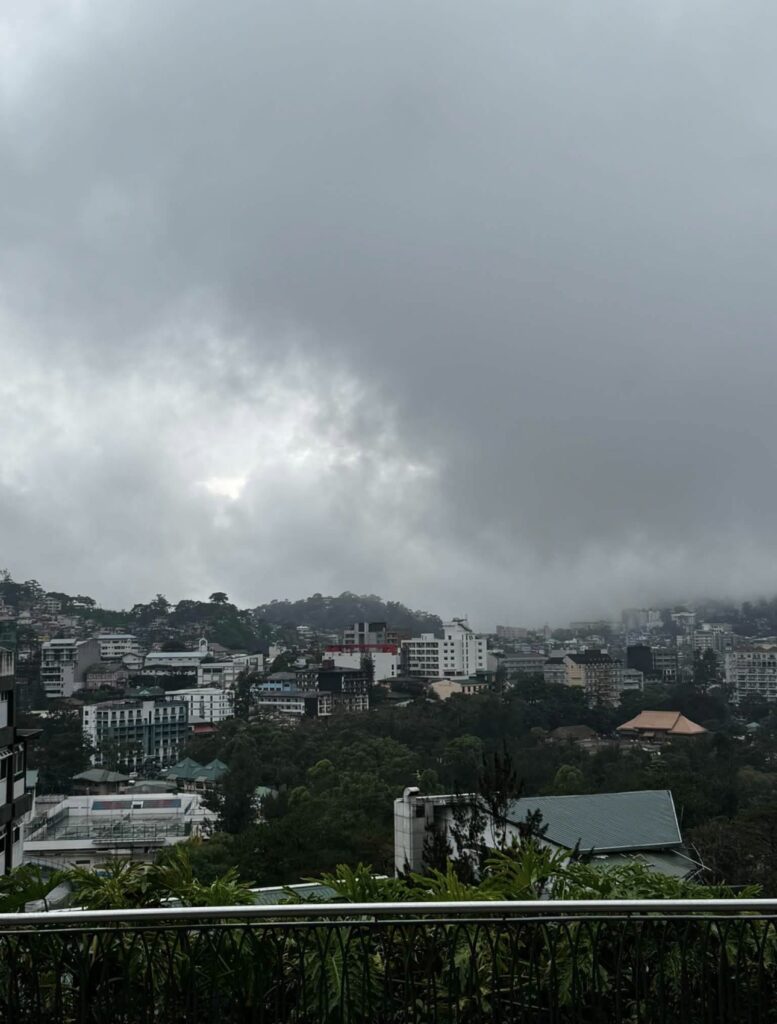
Part of what distinguishes the mall is its open-air, naturally ventilated design, which takes advantage of Baguio’s cooler mountain climate.
Instead of feeling sealed away from the city, parts of the mall allow you to experience the outside air and views.
Find a café, order coffee, and sit somewhere overlooking Baguio.
On the right day, clouds and fog begin moving across the mountains and city below you. Sometimes the fog becomes so close that it almost feels as though you are sitting beside the clouds rather than looking up at them.
That is one of my favorite feelings in Baguio.
You suddenly remember that you are still in the Philippines, but the atmosphere feels completely different.

I hope this Baguio Travel Guide 2026 helps you experience more than just the usual tourist checklist.
One thing I would recommend, though, is not trying to visit every attraction in one day. Baguio traffic can become frustrating, particularly during weekends and holidays.
It is better to experience six places properly than spend the whole day inside your car trying to photograph fifteen.
Leave a Reply