
As a Filipina living in the Philippines, traveling to South Korea as a tourist feels like a luxury. Beyond the excitement of planning the trip, there is also the reality of applying for a visa, preparing numerous documents, and proving financial capacity simply to be allowed entry. The process itself reminds me that mobility is not experienced equally by everyone. For many people, travel is not only about curiosity or leisure; it is also about access, privilege, and the ability to cross borders.
South Korea is also an expensive destination for someone coming from a developing country. Still, I chose to go because I believe that money has a purpose beyond saving: it is meant to be used for meaningful experiences, growth, and memories. Traveling, for me, is not just spending. It is a form of learning.
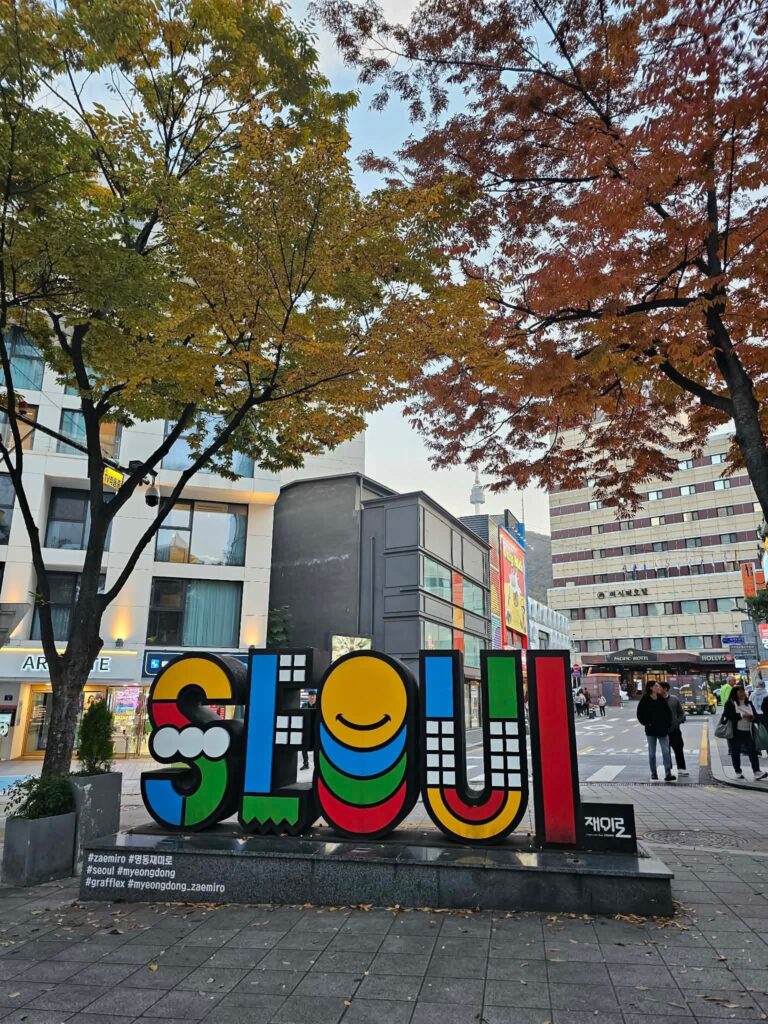
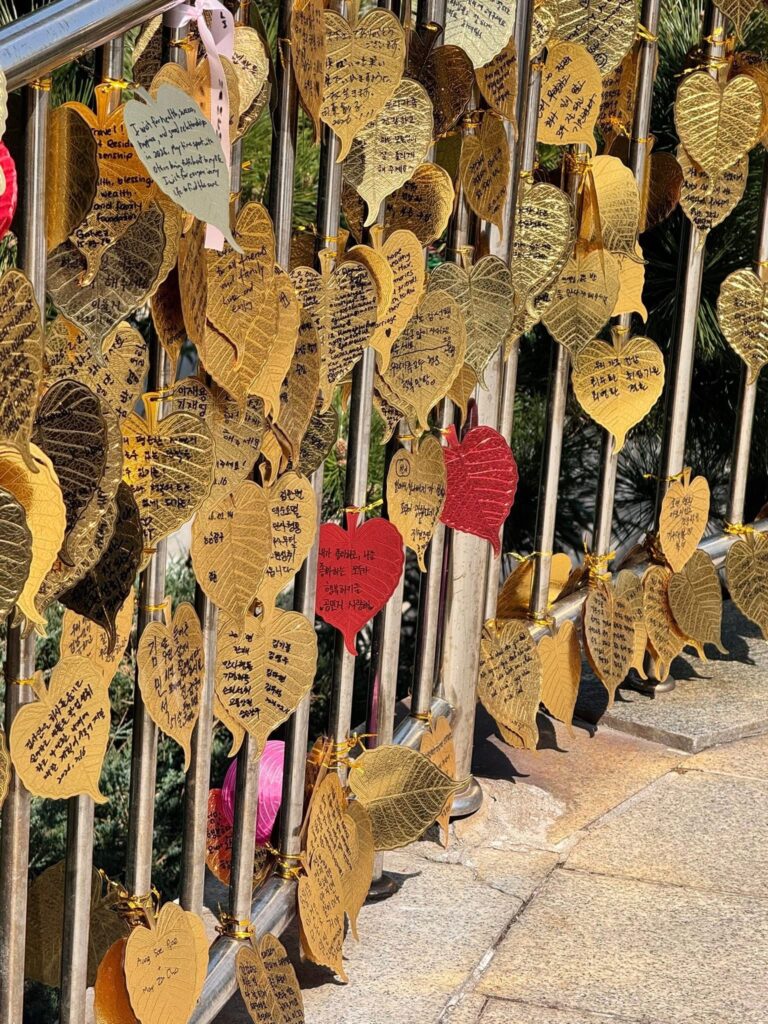
When I visited Korea for the first time, I was amazed by how modern the country is, while still keeping its culture alive. The cities are fast, organized, and technologically advanced, yet tradition remains visible in the food, language, temples, clothing, etiquette, and everyday values. Korea felt both futuristic and deeply rooted in history. That contrast made me more curious about the stories behind the country’s development and identity.
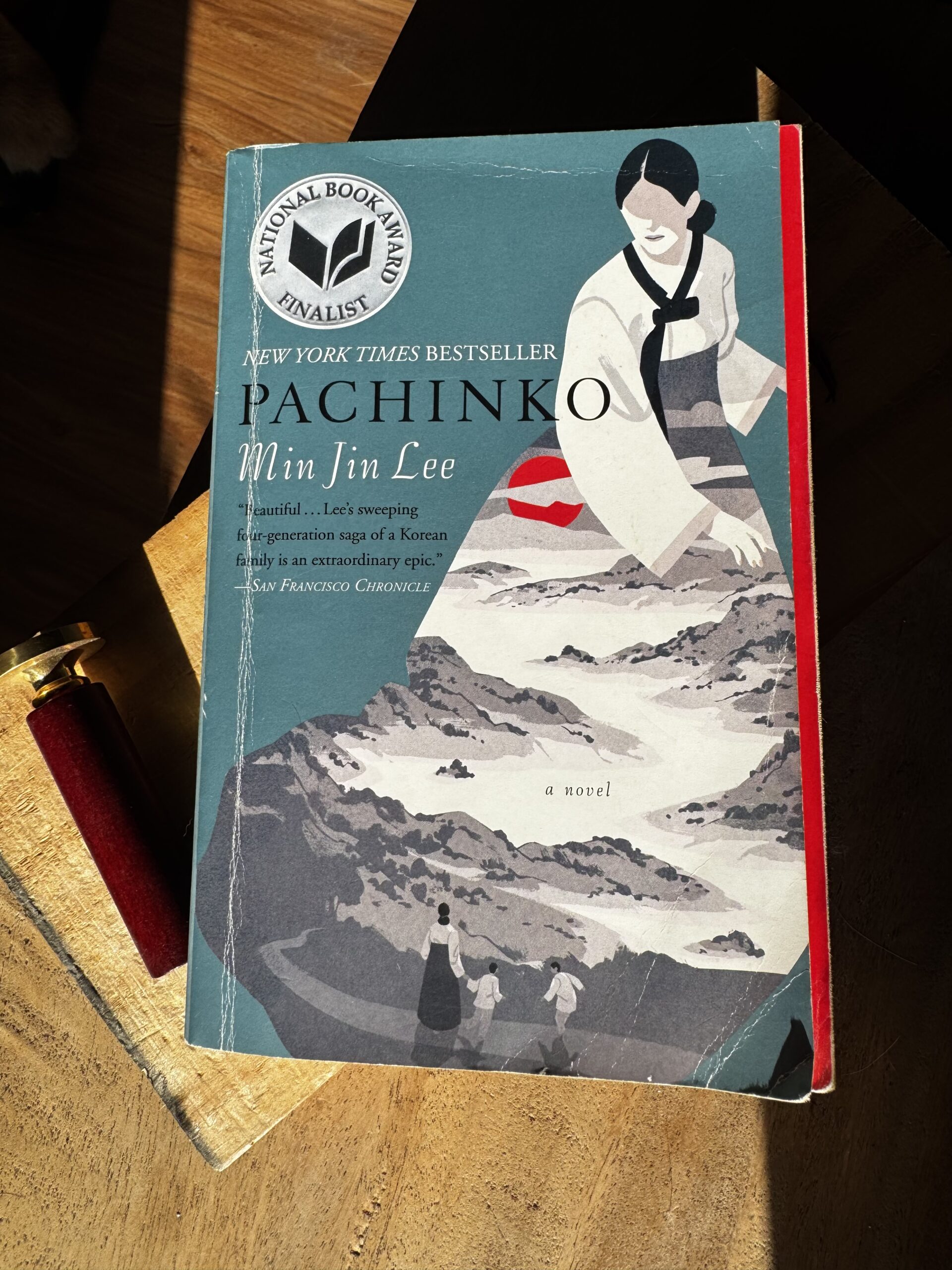
After my trip, a friend recommended that I read Pachinko by Min Jin Lee, a New York Times bestseller.
I finished the novel in three days, but reading it did not feel rushed. I had to pause and process each generation, each sacrifice, and each character’s struggle. The book follows a Korean family across several generations, beginning during the period of Japanese colonization. Through their lives, the novel explores displacement, discrimination, survival, family loyalty, identity, and the painful cost of history.
What moved me most was Sunja’s story. Her life represents quiet strength. The kind of strength that is not always loud or celebrated, but continues through hardship, shame, poverty, and uncertainty. Sunja does not simply survive for herself; she survives for her children and for the generations after her. Her sacrifices reveal how women often carry the emotional and moral weight of the family, especially in societies shaped by war, colonization, and migration.
Each character in Pachinko seems to represent a different response to history. Some try to assimilate. Some resist. Some carry shame. Some search for dignity in a world that refuses to fully accept them. The novel shows how colonization does not only change borders and governments; it changes families, languages, names, opportunities, and even the way people see themselves.

Reading Pachinko after visiting Korea made the country feel more complex to me. Korea was no longer only a beautiful and modern destination. It became a place shaped by struggle, memory, resilience, and historical wounds. As a Filipina, I also found myself reflecting on my own country’s colonial history and how generations of Filipinos have also experienced poverty, migration, sacrifice, and the desire for a better life.
For me, Pachinko is not just a story about Korea. It is a story about what people endure in order to belong, to survive, and to give the next generation a chance at a better future. It reminded me that behind every modern nation are countless untold stories of ordinary people whose sacrifices made survival possible.
Leave a Reply