
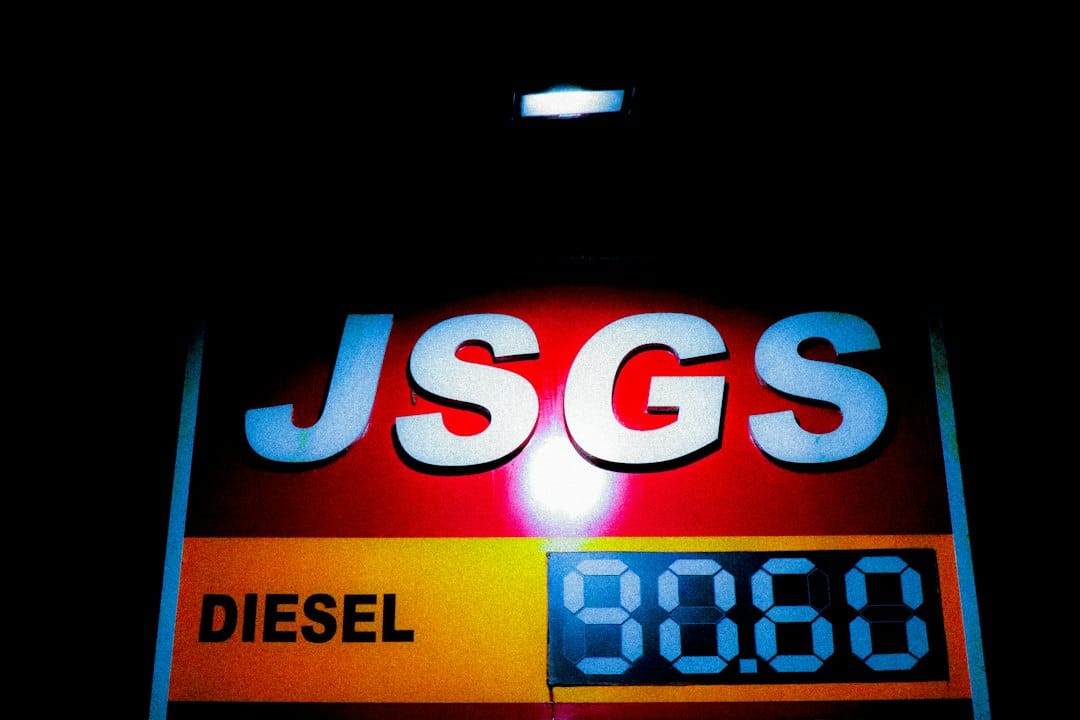
Foreign residents, retirees, travelers and business owners in the Philippines should watch energy and transport costs closely this weekend. Fuel-industry estimates released on September 18 point to another sharp pump-price increase next week, with diesel potentially rising by about ₱10–₱10.50 per liter and gasoline by ₱4.50–₱5.00. Philippine financial markets also reflected concern over higher energy costs, while the Bureau of Customs introduced new bonded Jet A-1 fuel rules for international aviation. These developments could affect household budgets, transport expenses, business operating costs and, over time, international airline economics.
Fuel Prices Could Rise Sharply Again Next Week
Motorists may face another major round of pump-price increases next week. Estimates reported on September 18 indicate diesel could increase by about ₱10.00–₱10.50 per liter, gasoline by roughly ₱4.50–₱5.00 per liter, and kerosene by around ₱7.00 per liter.
The estimates reflect higher international petroleum prices and foreign-exchange movements amid continuing disruption risks in major Middle East oil routes. The projected increases would come on top of the fuel-price adjustments already implemented this week.
For foreigners living in the Philippines, the immediate impact is likely to be felt through private-car fuel expenses, ride-hailing fares, delivery costs and potentially higher prices for goods moved by road. Retirees and long-stay residents who rely on diesel-powered vehicles or regular provincial travel may want to allow more room in their weekly transport budgets. Businesses that operate fleets, generators or logistics-intensive services should also review short-term fuel assumptions.
PhilifeGuide has previously discussed how transport costs affect daily living choices in Metro Manila in our guide to condo living and transportation in Manila.
Peso Holds Near ₱62.73 While Philippine Shares Fall
The Philippine peso closed at about ₱62.73 per U.S. dollar on September 18, almost unchanged from the previous session, while the Philippine Stock Exchange index fell 1.72% to the 5,800 level.
Market reports linked investor caution partly to expectations of another large fuel-price increase. Higher energy costs can raise transport and operating expenses and may add pressure to inflation if elevated prices persist.
For foreign residents receiving pensions, salaries or remittances in U.S. dollars or other foreign currencies, the exchange rate remains important for monthly purchasing power. A weaker peso generally increases the local-currency value of foreign income, but this advantage can be offset when fuel, food, transport and other living costs rise at the same time.
Foreign investors should avoid reading a single trading day as a long-term signal. The more practical point is that energy prices, inflation expectations and the peso remain closely connected to household and business costs.
Customs Creates Bonded Jet A-1 Fuel Facilities for International Aviation
The Bureau of Customs announced a new framework for Bonded Jet A-1 Fuel Facilities under Customs Administrative Order No. 03-2026. The rules allow qualified international air transport operators and fuel suppliers to import and store Jet A-1 fuel for international operations under customs controls.
Qualified imports may be entered conditionally free from value-added tax and excise tax, provided the fuel is used exclusively for international air transport operations. Fuel diverted to domestic operations will be subject to applicable duties and taxes. The order also includes eligibility requirements, dedicated storage rules, security and transport bonds, monitoring procedures and penalties for violations.
The Bureau of Customs said the order will take effect 15 days after official publication.
For ordinary travelers, there is no immediate change to ticket prices or airport procedures. However, the framework is relevant to the cost structure of international aviation in the Philippines. If implemented effectively, bonded fuel arrangements can reduce tax friction for qualifying international operations while preserving controls against domestic diversion. Travelers should therefore view this as an aviation-sector policy development rather than a direct fare reduction.
What to Watch Next
The most important near-term item is the final fuel-price adjustment that oil companies will announce before the next weekly price change. Residents and businesses should also watch whether the government introduces additional targeted relief measures if global oil prices remain elevated.
For international travel, the next point to monitor is the publication and implementation of Customs Administrative Order No. 03-2026 and whether major airlines or fuel suppliers begin using the new bonded Jet A-1 facilities.
Foreign residents receiving income in foreign currencies may also want to continue monitoring the peso, particularly if energy-price pressure begins to affect inflation expectations.
Disclaimer: This update is for general information only and should not be treated as financial, investment or tax advice. Fuel-price estimates may change before oil companies announce final pump-price adjustments.
Sources
- Philippine News Agency — Nearly ₱11/liter fuel price hike seen next week
- GMA News — Fuel-price estimates for next week
- Philippine News Agency — PSEi slips on oil hike fears; peso closes flat
- Bureau of Customs — Bonded Jet A-1 Fuel Facility
Last updated: September 19, 2026
Leave a Reply