
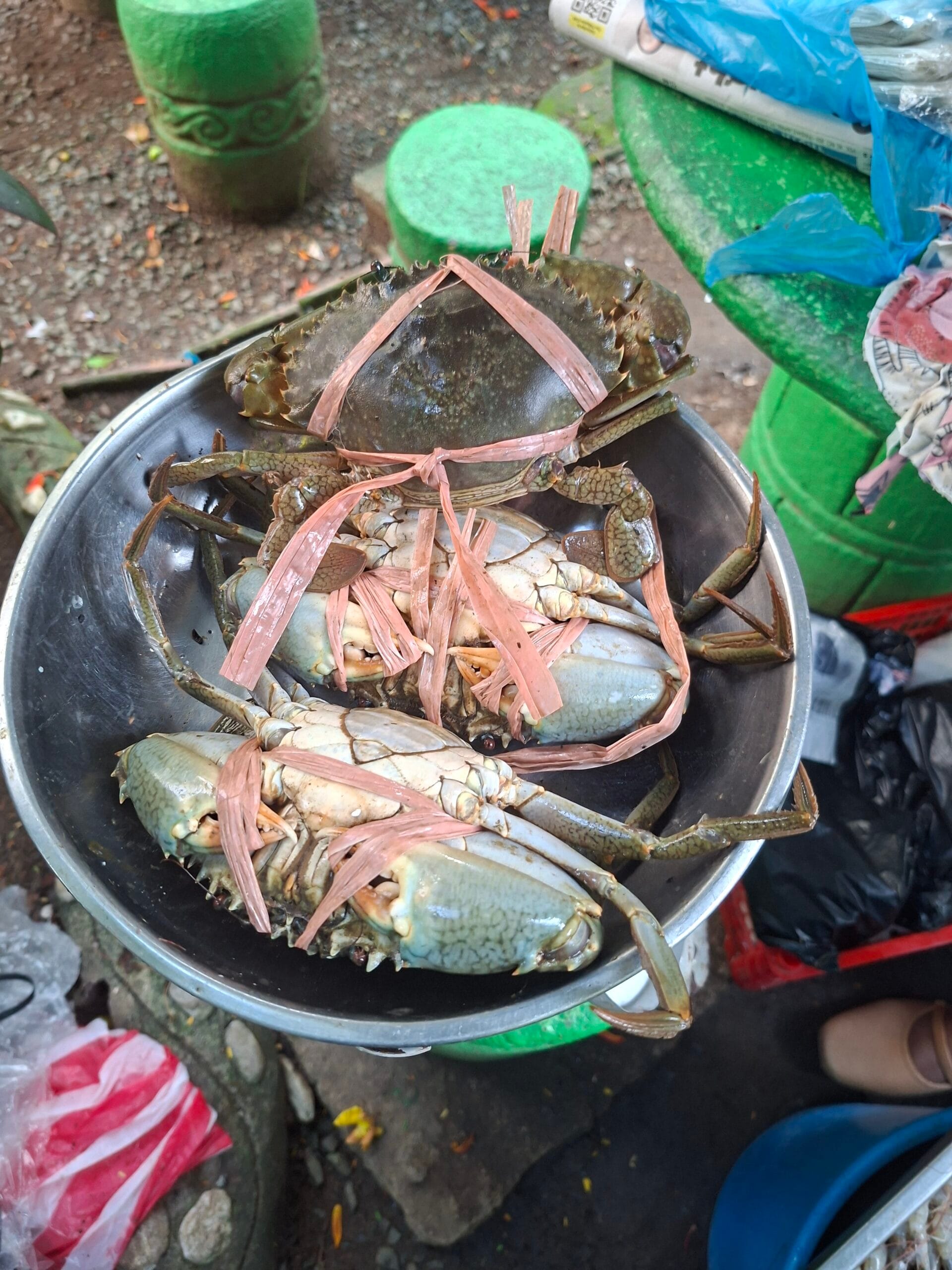
Mud crab or Mangrove crab, locally known as alimango, is one of the Philippines’ most valuable aquaculture species. Found naturally in mangrove, estuarine, brackishwater, and coastal environments, mud crabs belong to the genus Scylla and are widely cultured and traded throughout Southeast Asia.
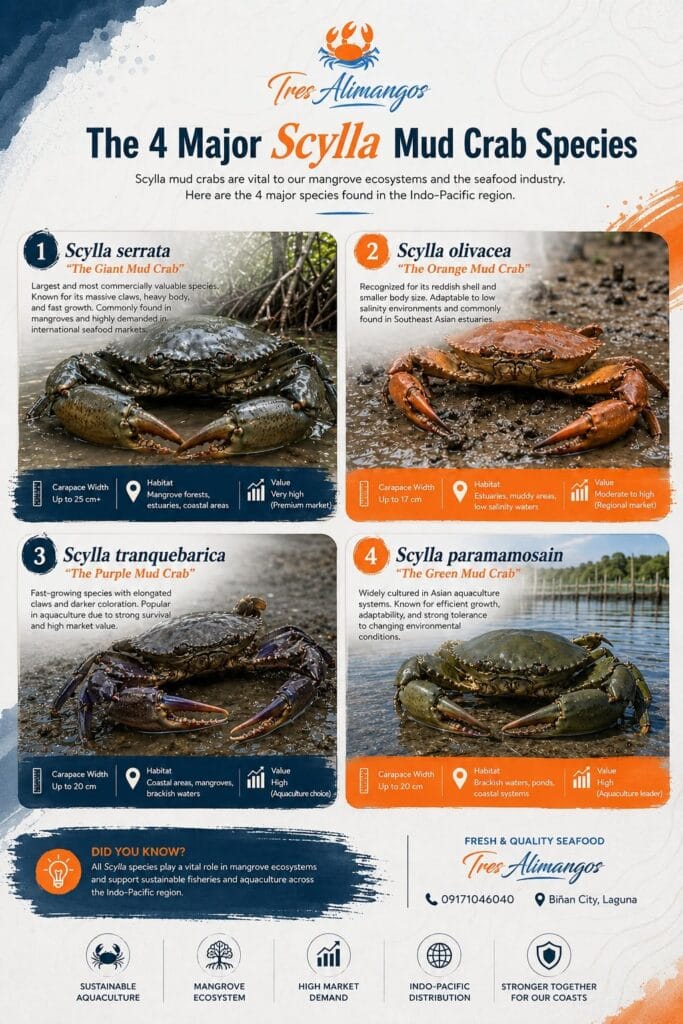
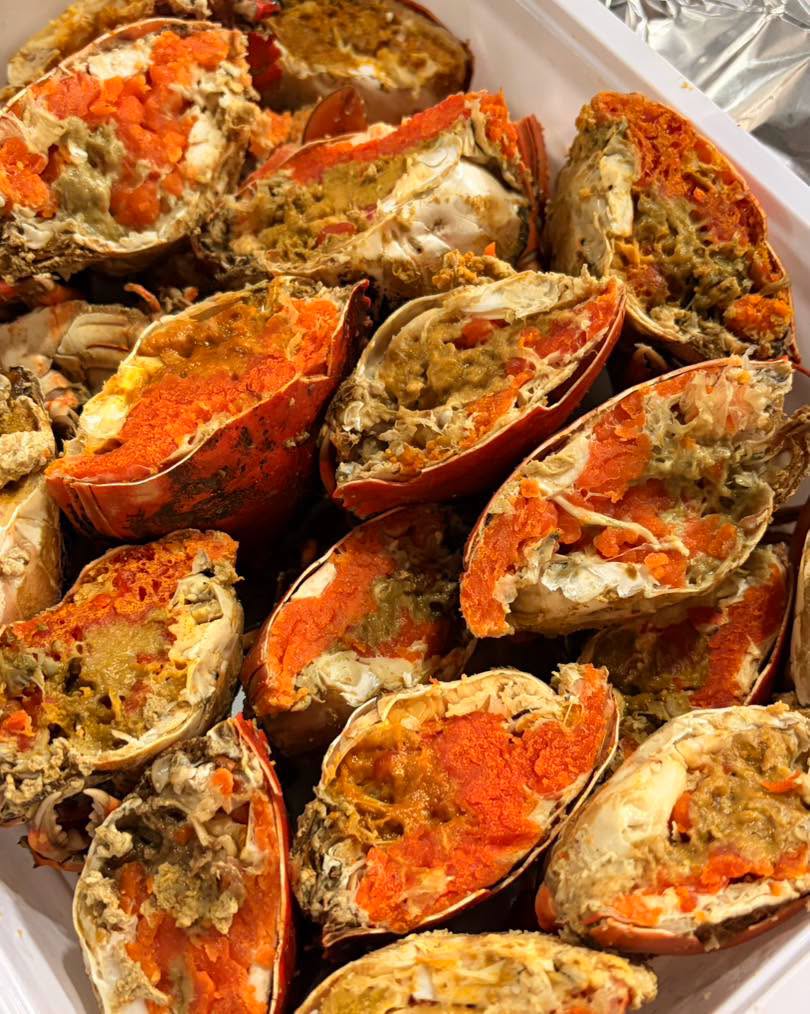
According to the Southeast Asian Fisheries Development Center (SEAFDEC), three mud crab species are commonly found in the Philippines: Scylla serrata (simply called mud crab), Scylla tranquebarica (purple mud crab), and Scylla olivacea (orange mud crab). Among them, Scylla serrata is generally preferred by farmers because of its larger size and commercial value. In south Korea, Scylla paramamosain is considered as a local delicacy in Busan, South Korea and popularly known as “부산청게, Busan Green Crab”.
Mud Crab in the Philippines at a Glance
- Local name: Alimango
- Scientific name (main commercial species): Scylla serrata
- Habitat: Mangroves, estuaries, brackishwater ponds, and coastal areas
- Grow-out period: Commonly around 5-10 months depending on the size
- Fattening period: Commonly around 15–30 days for lean market-size crabs
- Market: Domestic premium seafood and international export
- Major Philippine producing areas: Northern Mindanao, Central Luzon, Western Visayas, and Bicol
- Main commercial advantage: High value per kilogram and strong demand for live, high-quality crabs
SEAFDEC notes that interest in mud crab farming continues to grow because the species is in demand both in the Philippines and in international markets.
Mud Crab Farming Is Already Established in the Philippines
Mud crab farming is not a new or experimental industry in the Philippines.
SEAFDEC has conducted extensive work on mud crab hatchery production, nursery culture, grow-out, fattening, feeding, health management, and soft-shell crab production.
Its mud crab culture manuals describe several production systems, including:
- pond grow-out;
- polyculture;
- mangrove pens;
- cage culture; and
- short-term fattening.
SEAFDEC’s mud crab manual provides an overview of commercially important species and practical grow-out and fattening methods. Readers interested in the technical side of production can refer to the SEAFDEC Mudcrab culture manual.
SEAFDEC also provides a more recent overview through its Farming Mangrove Crab (Mud Crab) guide, which explains hatchery, nursery and culture techniques.
Grow-Out and Fattening Are Different Businesses
One important distinction is the difference between growing mud crabs and fattening mud crabs.
Grow-out usually involves raising smaller or juvenile crabs until they reach market size. SEAFDEC describes traditional grow-out periods of approximately five to ten months depending on the market size the grower choose (350g-500g).
Fattening is different.
A lean crab may already be close to market size but have relatively poor meat fullness. Instead of growing the crab for several additional months, it can be fed and conditioned for a much shorter period.
SEAFDEC reports that short-term fattening of lean crabs can commonly take around 15–30 days.
This creates an interesting commercial model because the same production space can potentially be used for several cycles each year.
Why Mud Crab Has Export Potential
Mud crab has several characteristics that make it attractive as an export product.
First, it is a high-value seafood species rather than a low-cost commodity product.
Second, live mud crab can command premium prices when it meets buyer requirements for:
- size;
- species;
- shell condition;
- meat fullness;
- survival;
- freshness; and
- consistent grading.
Third, the Philippines already has an established mud crab farming industry and significant technical knowledge about the species.
SEAFDEC previously described the Philippines as one of the world’s important mud crab-producing countries and documented substantial aquaculture production value.
This existing production base gives the Philippines an advantage compared with attempting to develop an entirely new aquaculture species from the beginning.
From Local Crab to Higher-Value Export Product
The business opportunity does not necessarily require a company to catch crabs itself.
A value-added model could involve purchasing legally sourced mud crabs from:
- local fisherfolk;
- aquaculture farms;
- cooperatives; and
- seafood consolidators.
The crabs can then be:
graded → conditioned or fattened → quality checked → packed → exported
This allows a business to create additional value between the local producer and the international seafood buyer.
Modern production systems may also make the process more controlled.
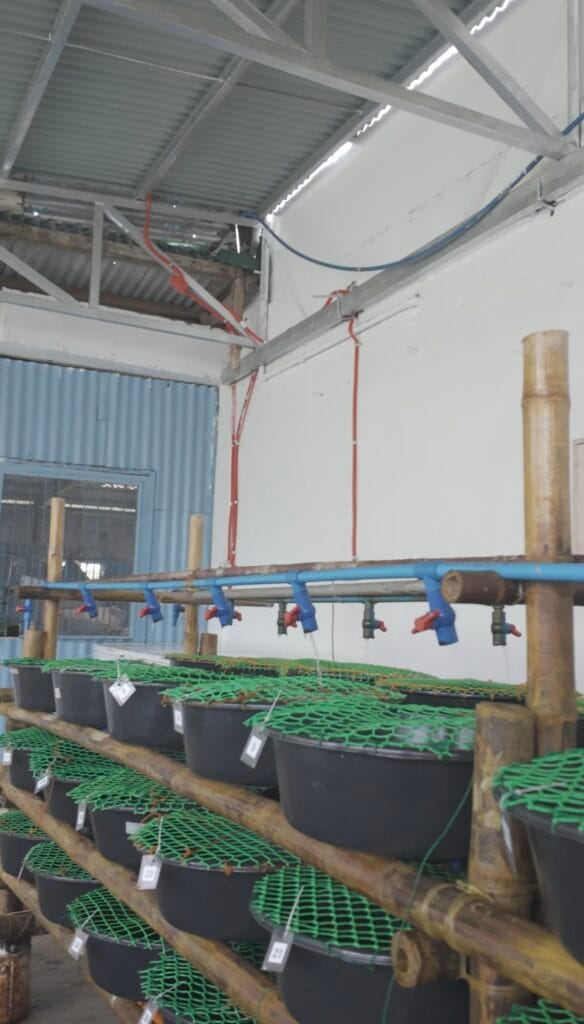
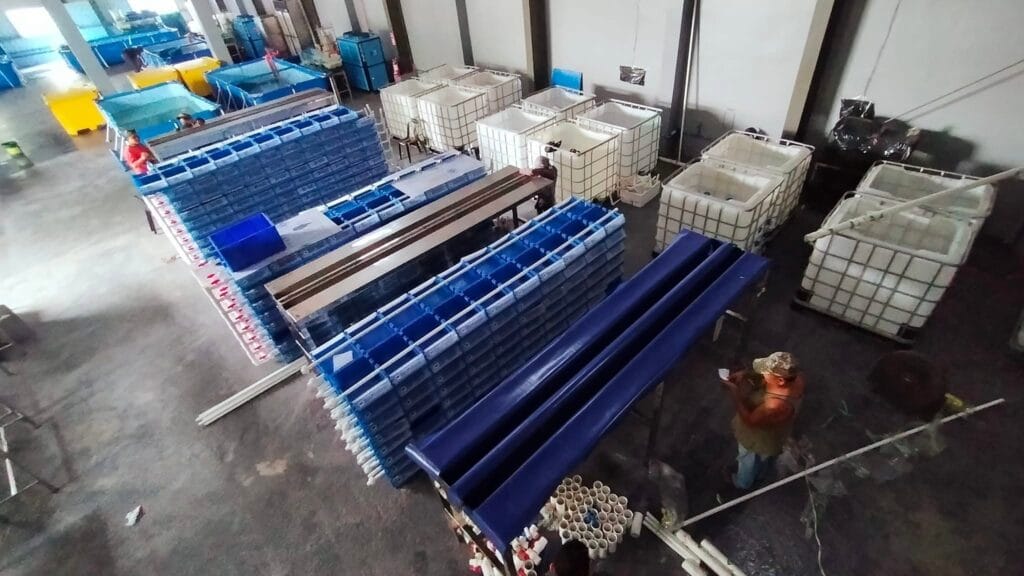
For example, individual crab compartments or “crab condominium” systems combined with water-treatment and recirculating aquaculture technology may allow operators to monitor crabs individually and reduce problems such as fighting and cannibalism.
Why This Matters for Foreign Investors
Mud crab also provides an interesting example of how foreign investors can look beyond the most familiar Philippine businesses such as restaurants, retail stores, condominiums, and tourism.
A foreign investor may potentially participate in:
- aquaculture;
- crab fattening;
- seafood handling;
- packing;
- processing; and
- export,
subject to the applicable foreign-investment, fisheries, environmental, business-registration, and export regulations.
The opportunity is particularly interesting when the business is designed around adding value to Philippine seafood and selling the higher-value product overseas.
However, investors should not confuse aquaculture and export with direct commercial fishing. The legal structure, crab sourcing, permits, and export requirements need to be examined carefully before investment.
Foreign investors should also understand that the legal ownership structure depends on the exact business activity, capitalization, and whether the company is primarily serving the domestic or export market.
Before considering an aquaculture or seafood-export project, read our Foreign Ownership in the Philippines: What Businesses Can Foreigners Own in 2026? guide for a broader explanation of 100% foreign ownership, the 60/40 rule, capitalization requirements, and restricted business activities.
Final Thoughts
Mud crab is already an important aquaculture species in the Philippines, supported by decades of farming experience and research from institutions such as BFAR and SEAFDEC.
Its relatively high market value, established production knowledge, short-term fattening potential, and demand in international seafood markets make it an interesting species for entrepreneurs and investors studying Philippine aquaculture.
The opportunity is not simply to catch more crabs.
A potentially more attractive business is to take legally sourced Philippine mud crab, improve its condition and value through controlled aquaculture, and supply consistent export-grade seafood to international buyers.
For a practical example of how this opportunity could be developed into an actual business, see our guide to Mud Crab Fattening and Export Business in the Philippines: A Practical Guide for Foreign Investors. It examines a business model using crab condominium systems and a Recirculating Aquaculture System (RAS) to fatten locally sourced mud crabs and prepare premium live crabs for export.
References
- SEAFDEC – Farming Mangrove Crab (Mud Crab)
- SEAFDEC – Mudcrab Culture Manual
- SEAFDEC – Overview of the Mud Crab Industry in the Philippines
- SEAFDEC – Status of Mud Crab Industry in the Philippines
Disclaimer: This article provides general introductory information about mud crab farming and export potential in the Philippines. Aquaculture performance, production cycles, market prices, export requirements and profitability vary according to species, location, production system, management, market conditions and regulatory requirements.
Leave a Reply