
Miss Jin Sundae Guk Review: Why Koreans Say It’s Better Than Some Restaurants in Korea
There is a popular saying among Koreans living in the Philippines:
“Miss Jin’s Sundae Guk is even better than the ones in Korea.”
At first, I thought it was just another exaggeration—a piece of chismis passed around by the Korean community. After all, South Korea is the birthplace of sundae guk, so how could a restaurant in Pampanga possibly compete?
Having traveled to Korea several times, I have eaten sundae guk in Seoul, Busan, and even in small local restaurants. One thing I learned is that there is no single “best” sundae guk. Every restaurant has its own recipe, and every Korean has their own preference depending on where they grew up. Some prefer a richer broth, while others enjoy a cleaner and lighter flavor.
Yet after trying Miss Jin, I finally understood why so many people speak so highly of it.
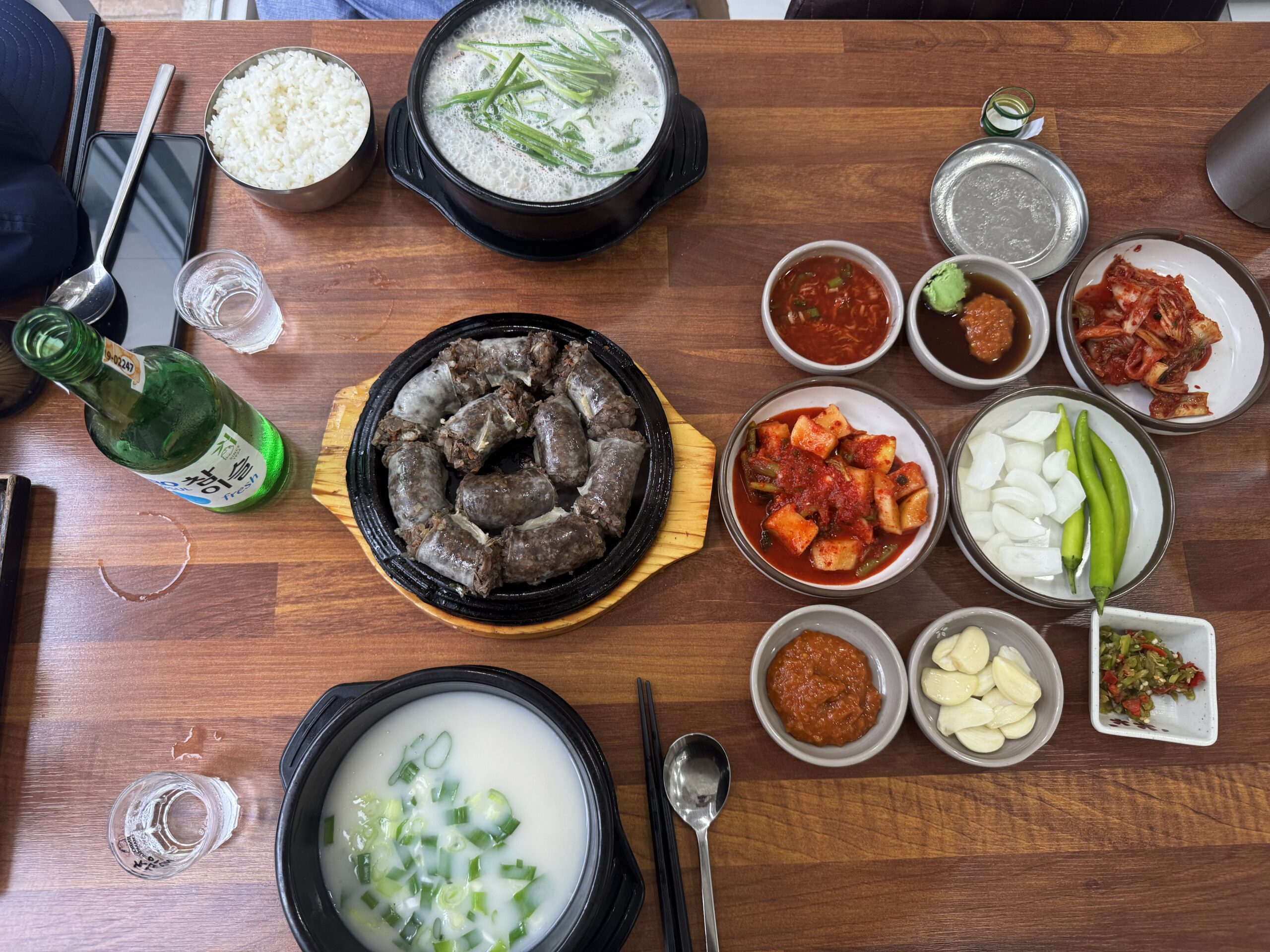
The soup is incredibly rich without being heavy. It has the deep, creamy flavor that can only come from simmering pork bones for many hours. Koreans call this type of broth 사골국물 (sagol gungmul)—a stock traditionally made by slowly boiling pork or beef bones until the collagen, marrow, and minerals naturally create a milky-white soup.
The remarkable part is how clean it tastes. Pork can easily develop a strong odor if not prepared carefully, but Miss Jin’s broth has none of that. Instead, every spoonful is smooth, comforting, and deeply satisfying. It tastes as if patience itself has become an ingredient.
What is Sundae Guk?
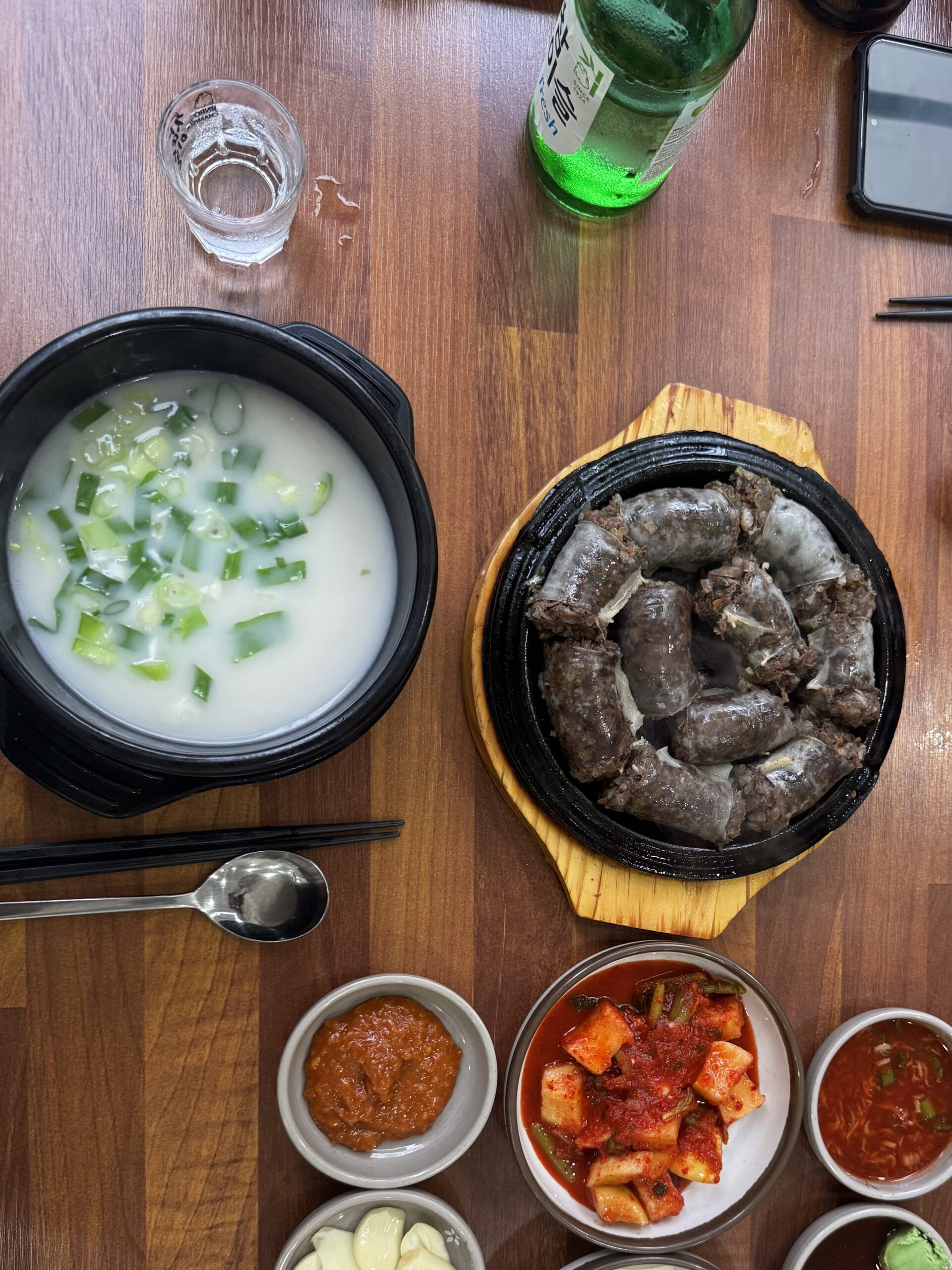
For those unfamiliar with Korean cuisine, Sundae Guk (순대국) is one of Korea’s most beloved comfort foods.
The dish consists of a rich pork bone broth filled with:
- Korean blood sausage (sundae)
- Pork intestine
- Pork liver
- Pork stomach
- Slices of pork meat
- Green onions
- Perilla seed powder (optional)
- Garlic
- Black pepper
- Salt or fermented shrimp for seasoning
Unlike Western blood sausages, Korean sundae is traditionally stuffed with glass noodles, glutinous rice, vegetables, and pig’s blood, creating a surprisingly soft and delicate texture.
Each table is usually served with fresh garlic, green chili peppers, onions, kimchi, radish kimchi (kkakdugi), fermented shrimp (saeujeot), and spicy seasoning paste so every diner can customize the soup according to their own taste.
That freedom is part of the experience. No two bowls are ever exactly the same.
More Than Just Food
My boyfriend and I often drive nearly two to two and a half hours simply to eat at Miss Jin after spending time at the sauna.
For us, it has become part of our tradition.
One story still makes me smile.
My boyfriend was the one who first introduced me to Miss Jin. Interestingly, it wasn’t because he discovered it himself. A close Korean friend of his, who was visiting the Philippines for a golf trip, recommended the restaurant and insisted that he try it. According to his friend, Miss Jin served one of the best bowls of sundae guk he had ever tasted—even compared to many restaurants in Korea.
What fascinated me was this: my boyfriend has been living in the Philippines for more than fifteen years, yet it took someone who had just arrived from Korea to introduce him to this hidden gem. That says a lot about Miss Jin’s reputation within the Korean community. It isn’t simply popular among locals; it has become a destination that Koreans themselves actively recommend whenever they visit Pampanga.
I found that fascinating.
Imagine someone flying all the way from Korea only to recommend a Korean restaurant in the Philippines. That alone says something about the restaurant’s reputation.
Worth the Wait
The first time we visited, the restaurant was already packed.
There was a waiting time of around 10 to 20 minutes, yet no one seemed impatient.
People came in, finished their meal, and quietly left.
The restaurant itself is simple—nothing luxurious, no fancy interior, no elaborate decorations. But the service is efficient, and everyone seems to be there for one reason only:
the food.
In many ways, that is the hallmark of a truly great restaurant. When people willingly wait in line for a bowl of soup, you know it is something special.
Comfort Food Has No Nationality
Miss Jin is located in Angeles City, Pampanga, with another branch in Pasay for those staying closer to Metro Manila.
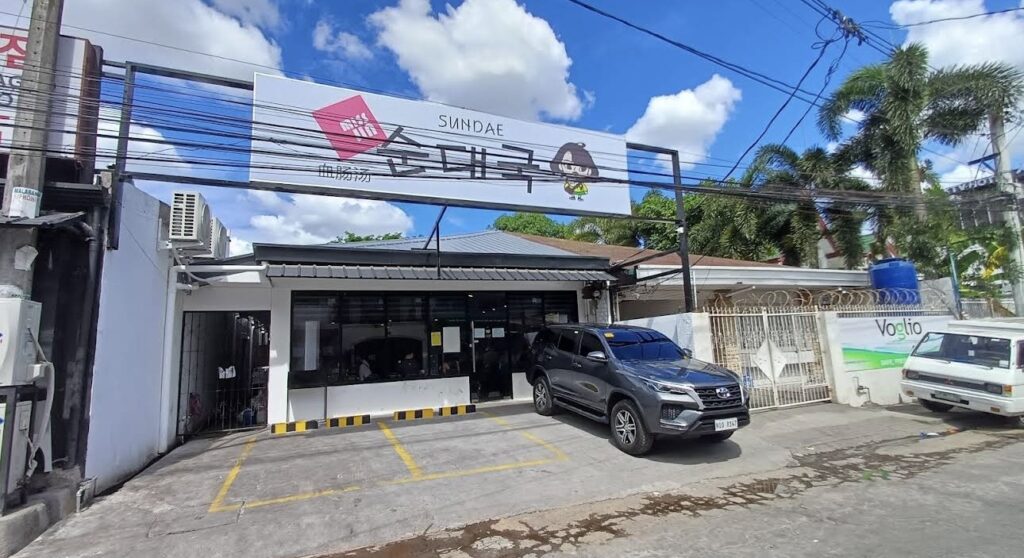

If you’re Korean living in the Philippines, this place will remind you of home.
If you’re Filipino, it might completely change the way you think about Korean cuisine.
Most Filipinos are familiar with samgyeopsal, fried chicken, tteokbokki, or ramyeon. But sundae guk offers something different. It is not trendy or flashy. It is the kind of meal people eat after a long day, during cold weather, after drinking with friends, or whenever they simply need comfort.
Every culture has a dish that nourishes more than just the body.
For Koreans, sundae guk is one of those dishes.
It is warm, humble, deeply comforting, and filled with memories.
After eating at Miss Jin, I finally understood why so many Koreans call it “soul food.”
Sometimes, the best meals are not the most expensive ones.
They are simply the ones that make you feel at home—even when you are thousands of kilometers away from it.
Leave a Reply