
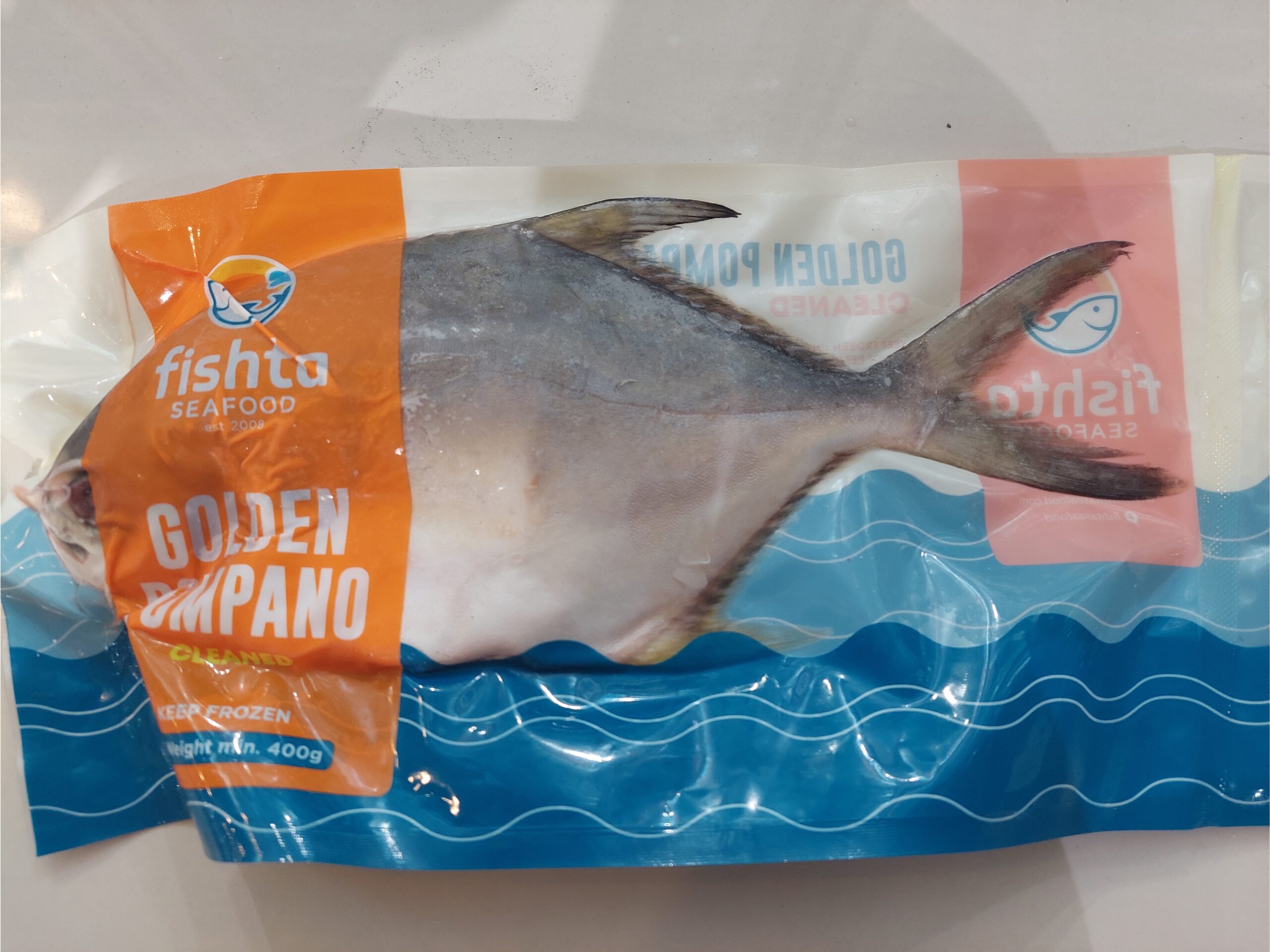
Happily, the golden pompano has become more common in markets and seafood stalls in the Philippines. At first glance, golden pompano looks attractive because of its bright silver-golden body, clean shape, and firm appearance. But one important thing to understand is this a cultured fish. Golden pompano is different from the traditional wild-caught pompano that many people know. Wild pompano often has a darker grey color, while cultured golden pompano usually has a lighter, brighter, and more golden-silver appearance.
For me, this difference is interesting because it shows how aquaculture is changing the seafood market in the Philippines.
Golden pompano is commonly raised in fish cages, ponds, or marine aquaculture systems. It grows relatively well under culture conditions and has become popular because it has good market value, attractive appearance, and good taste.
Of course, color alone is not always enough to identify the source of fish. Local names can also vary depending on the market, seller, and province. But in general, the golden pompano sold in many Philippine markets is associated with aquaculture.
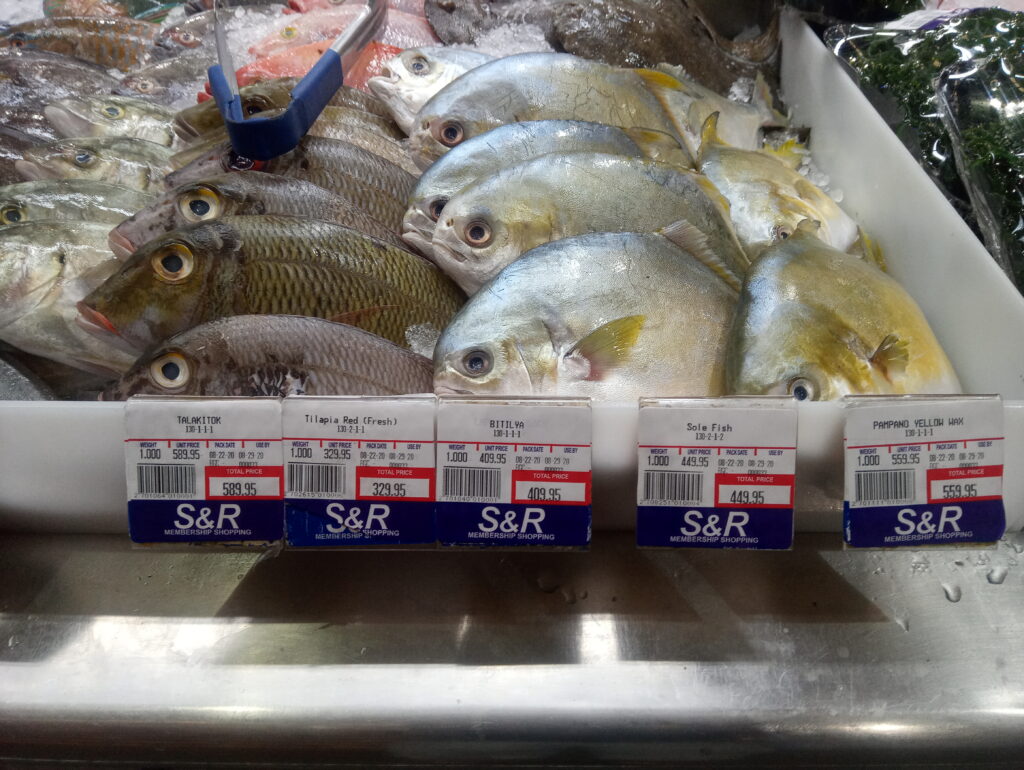
Golden pompano can be good to eat. It has a mild flavor, firm texture, and enough fat to make it suitable for several cooking methods. It can be:
- Grilled
- Fried
- Steamed
- Cooked with soy sauce and ginger
- Used in soup
- Cooked Filipino-style with vinegar or tomatoes
For a simple home meal, I think pan-searing is one of the best ways to enjoy it. Because the skin of pompano become golden brown and gives absolutely tasty flavor. Pompano already has a clean taste, it does not need too much seasoning. This gives the fish a clean and balanced flavor.
Since cultured fish is often harvested and distributed through supply chains, freshness still depends on handling. A farmed fish can be excellent when fresh, but poor handling can still reduce quality.
Golden pompano is a good example of how aquaculture is becoming part of everyday seafood consumption in the Philippines. Some people prefer wild-caught fish because they believe it has a stronger natural flavor. Others prefer cultured fish because it is more available, more consistent in size, and sometimes easier to find fresh in the market.
Personally, I do not think the question should be only “wild or cultured?” The better question is: Was the fish raised, harvested, transported, and handled properly? A good cultured fish can be better than a poorly handled wild fish. At the same time, a fresh wild fish can have excellent taste and texture.
Golden pompano may not have the same image as wild-caught pompano, but it has its own value. It is practical, accessible, attractive, and suitable for everyday cooking.
For people living in the Philippines, this is one of the interesting things to observe: the seafood market is not only about fishing anymore. It is also about aquaculture, supply chains, freshness, and consumer choice. Golden pompano is more than just a fish on the table. It is a small example of how food production is changing in the Philippines.
Leave a Reply