
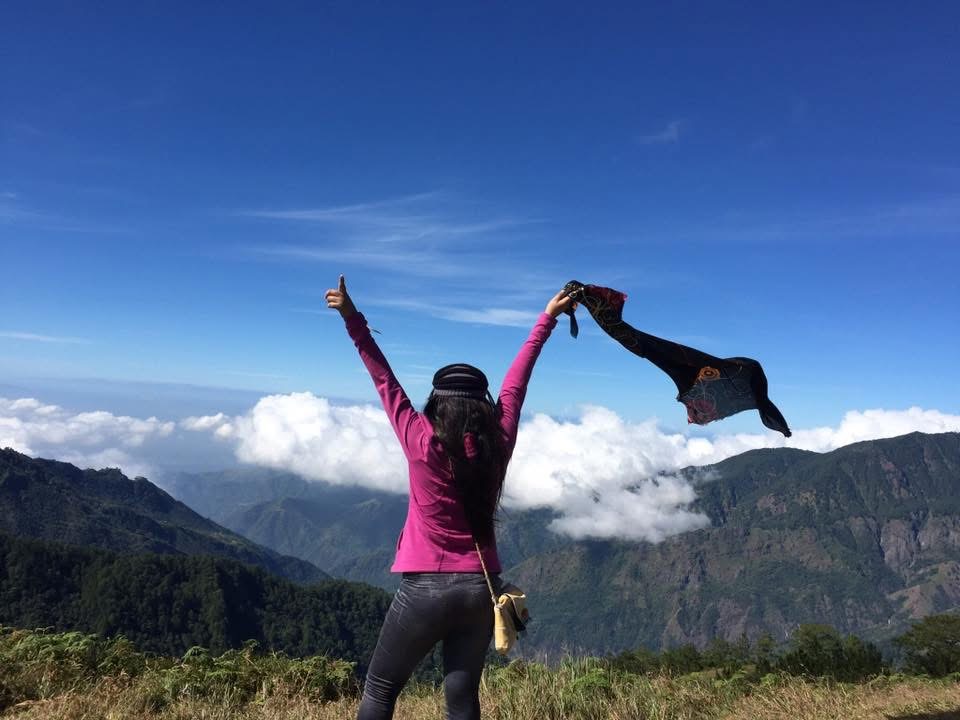
The Philippines is often described as a happy country, and in many ways, I believe that description is true.
Wherever you go, you will see people smiling. You can walk through a crowded market, enter a small neighborhood store, ride public transportation, or visit a province that has just experienced a difficult situation, and somehow, you will still hear laughter.
Filipinos have an unusual ability to find a little bit of light even when life becomes very dark.
The Philippines is a developing country, and life here is not always easy. Many families work for years just to build a small house, buy appliances, send their children to school, or save enough money to live a little more comfortably.
Then sometimes, in just one night, a fire, flood, typhoon, or another disaster can destroy everything they worked so hard for.
Imagine saving money for ten or twenty years, slowly building your home, buying your furniture one piece at a time, and suddenly losing almost everything.
It is heartbreaking.
And yet, after experiencing these tragedies, you will sometimes hear Filipinos say something like:
“Okay lang. Buhay naman kami.”
“It is okay. At least we are alive.”
That does not mean they are not hurting. It does not mean losing everything is easy. It simply means that Filipinos have learned to recognize what remains even after so much has been taken away.
There is something about that attitude that has always stayed with me.
We know how to cry, but we also know how to laugh afterward.
We know how to complain about our problems, but somehow someone will eventually make a joke.
Maybe this is one reason foreigners sometimes notice that Filipinos appear happy even when our lives are not necessarily easy. Happiness here does not always come from having a lot. Sometimes it comes from accepting what we have, sharing it with other people, and finding something to be grateful for.
Is the Philippines Safe to Travel? The Short Answer
Is the Philippines safe to travel in 2026? As a Filipina, I would say yes, the Philippines can be a safe and rewarding country to visit, especially when travelers stay informed, choose their destinations carefully, and use normal precautions.
But I also do not want to pretend that nothing bad ever happens here.
Safety in the Philippines varies by location, just as it does in many other countries. Some places are heavily visited by tourists and feel comfortable and familiar. Other areas require much more caution.
Visitors should always check current travel advisories for the specific places they plan to visit and should not assume that conditions are the same everywhere simply because all of those places are within one country.
But when foreigners ask me, “Is the Philippines safe to travel?”, my answer is not based only on statistics or headlines.
I think about the Philippines I actually know.
And that is a much more complicated, still developing, warm and human place than the country people sometimes see in international news.
Family Comes First
Another thing I love about the Philippines is how important family is to us.
For many Filipinos, family is not just part of life. Family is the center of life.
We grow up hearing ideas like:
“As long as we can eat three times a day, we don’t have a problem.”
Of course, real life is more complicated than that. Families worry about bills, education, health, jobs, housing, and the future just like everyone else.
But the meaning behind the saying is simple: if the family is together, everyone is safe, and there is food on the table, we still have something to be thankful for.
Filipino families can also be incredibly large and complicated. Sometimes your cousin feels like your sibling. Your aunt can feel like another mother. Your grandparents may live in the same house.
A relative you have not seen for years can suddenly appear at a family gathering and somehow still be welcomed as if you saw each other yesterday.
And when one person succeeds, the whole family celebrates. Actually, sometimes the whole country celebrates.
We Celebrate Other Filipinos Like Family
Filipinos are extremely proud when one of our kababayans (countryman) succeeds internationally.
You could see this whenever Manny Pacquiao fought. During some of his biggest fights, streets became unusually quiet because everyone was watching television.
People who normally disagreed about politics, basketball teams, celebrities, or almost everything else suddenly became united for a few hours.
When Hidilyn Diaz won the Philippines’ first Olympic gold medal, millions of Filipinos felt as if someone from our own family had won.
When Carlos Yulo competed, we became nervous watching him as though we were the ones standing there under pressure.
And now, seeing Alex Eala make history in international tennis gives Filipinos another reason to feel proud.
That is one thing I find beautiful about being Filipino.
When another Filipino achieves something extraordinary, many of us do not simply say,
“She won.”
We somehow feel,
“We won.”
Maybe it sounds overly emotional, but I think people from other countries can understand this feeling too.
When someone from your country stands on an international stage, suddenly they represent more than themselves. They carry a little piece of your country with them.
For Filipinos, especially because we are not always represented globally in the same way as larger or wealthier nations, those moments can mean a lot.
Saying “I’m From the Philippines”
I have traveled to several countries, and whenever foreigners ask me,
“Where are you from?”
I proudly answer:
“I’m from the Philippines.”
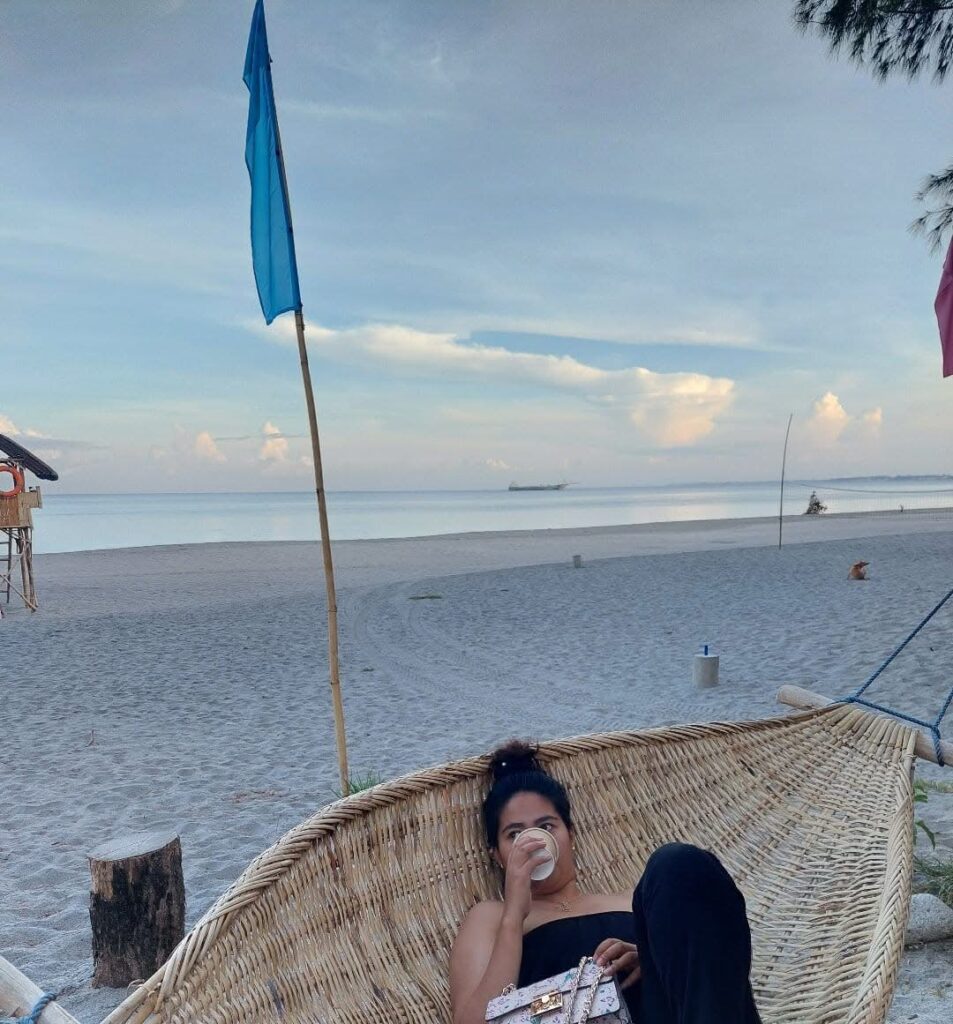
Most of the time, the reaction makes me smile.
“Oh, I want to visit the Philippines.”
“You have beautiful beaches.”
“Palawan!”
“Boracay!”
“Cebu!”
Some people tell me they have Filipino friends or coworkers. Others tell me how much they love Filipino hospitality.
Whenever I hear those things, I feel proud.
Sometimes, however, the conversation suddenly changes. Someone will ask me:
“But is the Philippines safe to travel?”
Or they will mention something they saw in the news.
“I heard a foreigner was shot.”
“I saw something about kidnapping.”
“I heard Manila is dangerous.”
And suddenly, I do not know exactly how to answer. Because sometimes what they saw in the news really happened.
We Filipinos see those stories too.
We watch the same television reports. We read the same news.
When something terrible happens, especially when a tourist or foreign visitor becomes a victim, we feel disappointed and sometimes embarrassed.
Not because every Filipino is responsible for the actions of one person, but because we know how much those stories can affect the way the rest of the world sees our country.
And the consequences reach much further than the crime itself.
A tourist cancels a trip.
Another person tells their friend not to come.
A family decides to vacation somewhere else.
Then a hotel employee receives fewer working hours.
A tour guide loses customers.
A small restaurant near a tourist destination earns less money.
A driver gets fewer passengers.
A souvenir seller sells fewer products.
Ordinary Filipinos, who had nothing to do with the crime, can eventually feel the consequences.
That part makes me especially sad.
Tourism is not simply about foreigners taking pictures on beautiful beaches.
Behind every tourist destination are thousands of ordinary people trying to make a living.
So, Is the Philippines Safe to Travel?
As a Filipina, I would say yes, the Philippines can be a safe for tourists, but I think the honest answer needs context.
Every country has places where visitors need to be more careful.
There are neighborhoods with higher crime rates.
There are scams.
There are irresponsible people.
There are crowded places where you should protect your phone and wallet.
There are areas where wandering alone late at night is not a good idea.
The Philippines is not an exception.
But I think judging an entire country only by its worst news stories would also be unfair.
If we judged every country only by the crimes appearing on television, almost nowhere in the world would feel safe.
There are more than 7,000 islands in the Philippines.
There are millions of people living completely ordinary lives: going to work, taking their children to school, drinking coffee with friends, opening their small businesses in the morning, going to church, visiting relatives, and worrying about what to cook for dinner.
Most visitors will experience THAT Philippines.
Not only the Philippines they sometimes see in dramatic headlines.
A Few Practical Safety Lessons for Visitors
I do not want this article to become another generic safety checklist, but there are a few practical habits I would recommend to anyone visiting the Philippines.
As I stated, having in mind that the Philippines is generally safe, but it is always wise to keep the following precautions in traveling.
First, check current travel advisories for the specific destination you plan to visit. Safety conditions can vary significantly between regions, and advice for one part of the country should not automatically be applied to another.
In busy cities and tourist areas, keep your phone, wallet and valuables secure, especially in crowded places.
When possible, use reputable transportation services and ask your hotel, accommodation host or trusted locals about areas you are unfamiliar with.
Avoid displaying large amounts of cash or expensive items unnecessarily.
Weather is another kind of safety issue that visitors sometimes underestimate. The Philippines experiences typhoons, flooding, heavy rain and occasionally dangerous sea conditions, so weather warnings should always be taken seriously.
And perhaps most importantly, use the same common sense you would use when visiting any unfamiliar country.
Being careful does not mean being afraid.
It simply means traveling intelligently.
The Philippines Has Much More to Offer
Of course, our beaches are beautiful.
Palawan can look almost unreal.
Boracay has become famous around the world.
Cebu, Bohol, Siargao, Batanes, Siquijor, Coron, and countless smaller destinations show just how naturally beautiful this country is.
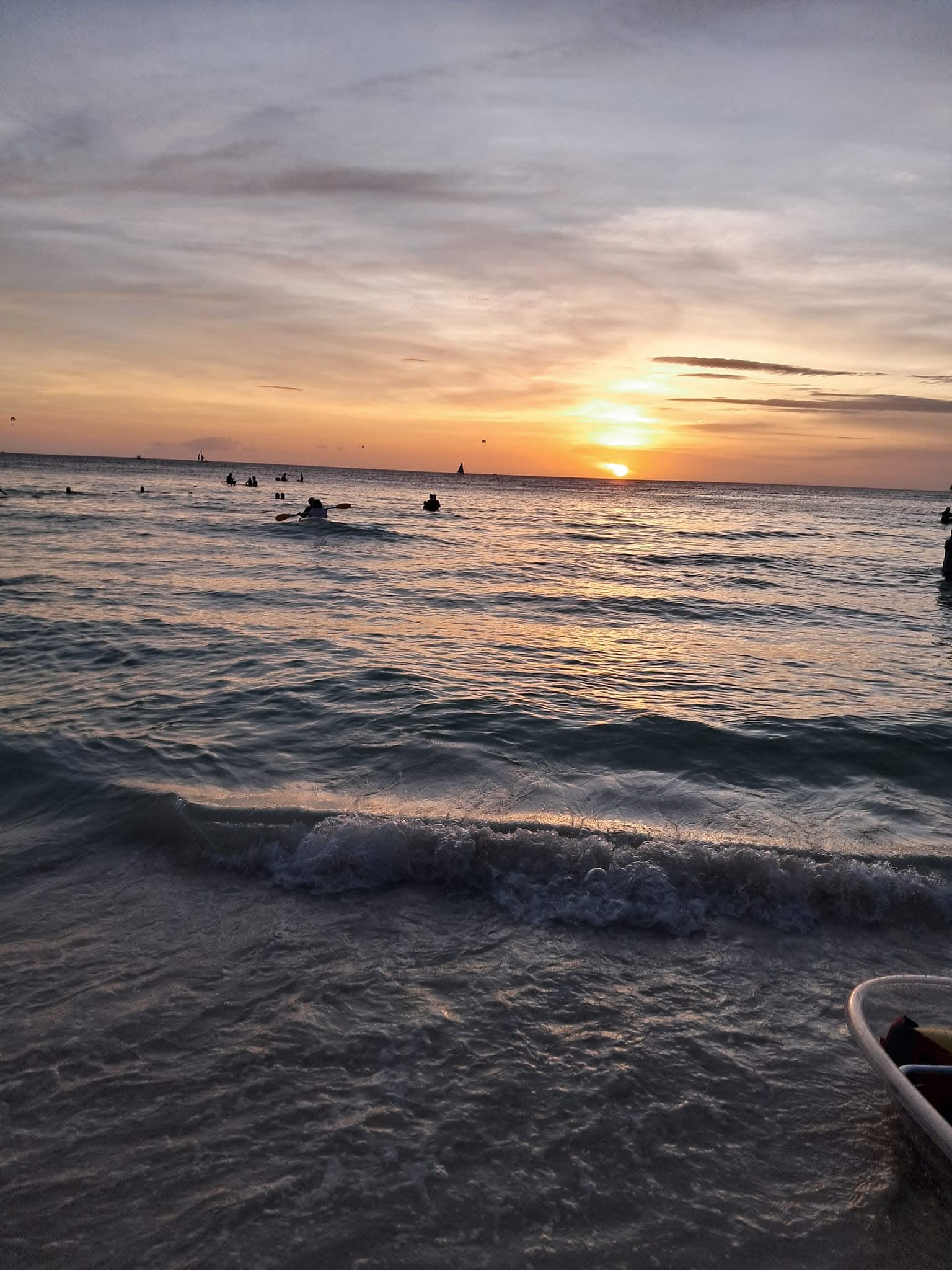
But I hope foreigners eventually discover that the Philippines is more than beaches.
It is our food.
It is eating adobo prepared differently by every family and discovering that everyone believes their family’s version is the best.
It is sharing crispy lechon during celebrations.
It is eating fresh seafood beside the sea.
It is someone asking:
“Kumain ka na?” — “Have you eaten?”
Not because they are making small talk, but because offering food is one of the ways Filipinos show affection.
It is our fiestas.
Our music.
Our karaoke.
Our strange sense of humor.
Our Christmas celebrations that seem to begin ridiculously early.
And our ability to turn almost every gathering into an excuse to eat.
And most importantly, it is the people.
Filipino hospitality is sometimes difficult to explain until you experience it yourself.
A family that does not have much may still bring out their best food when a guest arrives.
Someone may insist that you eat more even after you say you are already full.
A stranger may help you find your destination.
A Filipino may call you “Ma’am,” “Sir,” “Ate,” “Kuya,” “Tita,” or “Tito,” and somehow, even if you are not related, the language makes you feel a little closer.
That warmth is difficult to capture in tourism advertisements.
You have to experience it.
What I Hope Korean Visitors Can See
I especially hope Korean visitors can continue seeing the Philippines beyond the headlines.
The relationship between Koreans and Filipinos has existed for decades through tourism, education, business, work, friendships, and even families.
Many Filipinos grew up watching Korean dramas, listening to Korean music, eating Korean food, and becoming curious about Korean culture.
At the same time, millions of Koreans have visited places like Cebu, Boracay, Clark, Bohol, and Manila.
There is already a familiar connection between our two countries.
And perhaps because of that connection, I feel disappointed whenever a terrible incident makes Koreans afraid of the Philippines.
Their concern is understandable.
If I were traveling to another country and continuously saw reports of crimes involving Filipinos, I would probably feel worried too.
Safety concerns should never simply be dismissed.
But I also hope people remember that a country is always larger than its worst headline.
The Philippines has problems.
We know that.
Filipinos complain about our country all the time.
We talk about traffic, corruption, poverty, politics, inequality, crime, and the many things we wish could improve.
Sometimes nobody criticizes the Philippines more passionately than Filipinos themselves.
But there is a difference between criticizing your country because you want it to become better and believing that there is nothing good left in it.
I still believe there is so much good here.
Loving a Country Does Not Mean Ignoring Its Problems
As I grow older and travel more, I have realized something.
Patriotism does not mean pretending your country is perfect. Maybe genuine love for your country means being able to see both sides clearly.
I can be proud of Filipino kindness while admitting that crime exists.
I can celebrate our beautiful islands while worrying about environmental destruction.
I can admire Filipino resilience while also asking why Filipinos are constantly expected to be resilient in the first place.
Sometimes we praise Filipinos for surviving every disaster.
But I also hope for a Philippines where people do not always have to prove how strong they are.
I want better infrastructure.
Better public services.
Safer communities.
More opportunities.
Better protection for tourists and Filipinos alike.
And a country where ordinary people do not have to leave their families just to find a decent livelihood somewhere else.
Loving the Philippines should not prevent us from demanding better from it.
In fact, maybe demanding better is part of loving it.
Why I Am Still Proud to Say I Am Filipino
Despite everything, when someone asks me where I am from, I will continue saying it proudly.
I am from the Philippines.
I come from a country where people can lose almost everything in a typhoon and still invite their neighbor to eat.
A country where families gather around one television to cheer for an athlete they have never personally met.
A country where people sing karaoke even when nobody in the room can actually sing.
A country where food somehow appears whenever visitors arrive.
A country with breathtaking mountains, beaches, forests, rivers, and thousands of islands waiting to be discovered.
And a country whose people, despite all our imperfections, continue trying to find reasons to smile.
I do not expect foreigners to believe that the Philippines is perfect.
It is not.
I do not expect Koreans, Americans, Europeans, Japanese, or other visitors to ignore legitimate concerns about safety.
They should not.
I only hope they will look at the Philippines with a wider lens.
Visit carefully.
Learn about the places you are going.
Respect the local culture.
Talk to ordinary Filipinos.
Eat our food.
Visit our provinces.
See our beaches.
Listen to our stories.
And perhaps you will discover the Philippines that does not always appear in international news.
As a Filipina, I understand the frustrations of living here.
Sometimes I complain about my own country too.
Sometimes I become disappointed.
Sometimes I wonder why certain problems seem so difficult for us to solve.
But perhaps that is also what makes my relationship with the Philippines so personal.
It is easy to love a place when everything is perfect.
It is different when you know its weaknesses, experience its frustrations, see its mistakes, and still recognize something worth loving.
The Philippines is complicated.
It is beautiful and chaotic.
Warm and frustrating.
Poor in some ways and incredibly rich in others.
We still have a long way to go.
But this is my country.
And whenever someone asks me,
“Where are you from?”
I will still smile and answer:
“I’m from the Philippines.”
And I will still be proud.
If you are planning your first trip, our First Time in the Philippines? A Practical Travel Guide for 2026 can also help with transportation, everyday travel and what to expect after arrival.
Leave a Reply