
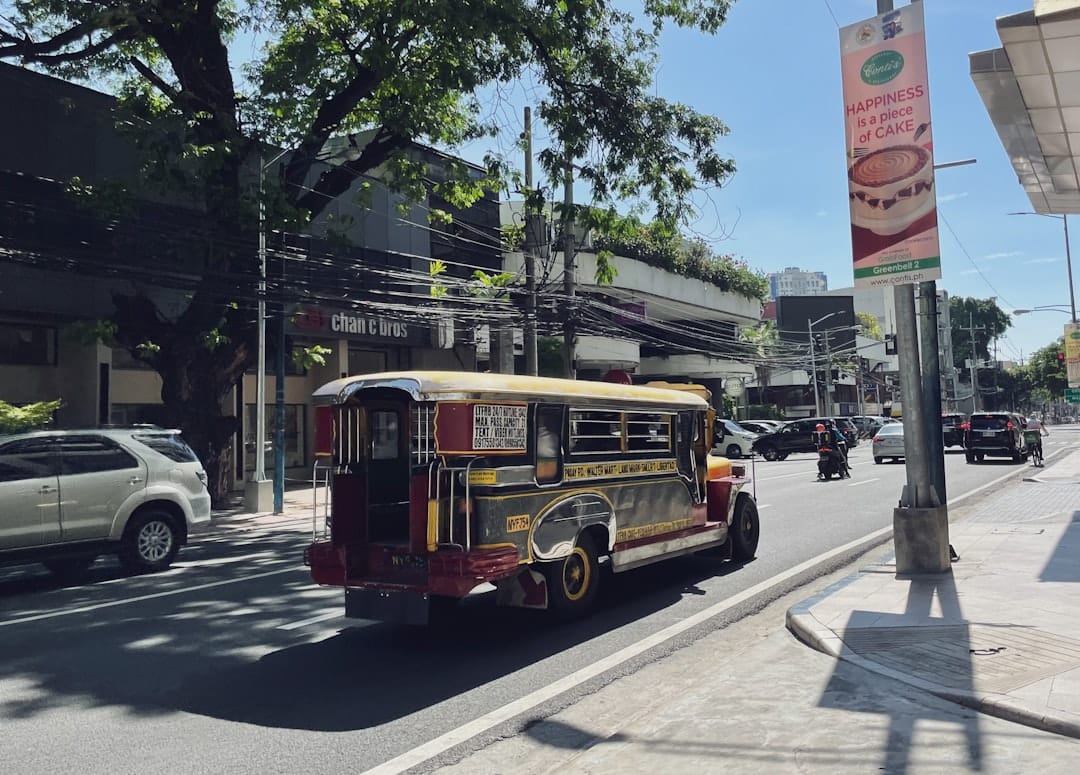
The September 28 PhilifeGuide Daily Update focuses on two developments with immediate practical relevance for foreigners living, working, investing, or traveling in the Philippines. In Metro Manila and other areas, transport groups have launched protest actions from September 28 to 30, creating possible commuting disruptions while new public-transport fare increases take effect. At the same time, Central Visayas has approved a ₱42 daily minimum-wage increase effective October 14, affecting Cebu, Bohol, Negros Oriental, and Siquijor. Together, these developments matter for commuting, staff scheduling, payroll costs, and short-term business planning.
Transport Strike May Disrupt Commuting from September 28 to 30
Transport group Manibela began a three-day transport strike from September 28 to 30, while PISTON announced nationwide protest actions for September 29 and 30. The groups are protesting the recent sharp rise in fuel prices and are calling for stronger government support for public-transport drivers and operators.
The National Capital Region Police Office (NCRPO) said it would deploy personnel around transport terminals, major roads, business districts, schools, and other areas where commuters could be affected. Authorities also said Libreng Sakay, or free-ride assistance, may be activated for stranded commuters when needed.
For foreign residents and travelers, the key point is that the strike does not necessarily mean all public transportation will stop. However, vehicle availability may be lower on some routes, and waiting times may be longer during peak hours. Areas around Quezon City, Manila, Pasay, Makati, and major transport hubs may experience heavier congestion or longer queues.
The strike also coincides with the implementation of higher public-transport fares. Beginning September 28, the minimum fare for traditional jeepneys for the first four kilometers rises from ₱13 to ₱14. Additional per-kilometer charges also increase, and revised fares apply to modern jeepneys and some other public-transport services.
Drivers are required to display the official LTFRB fare matrix before collecting the new fares. Commuters should therefore check the posted fare guide inside the vehicle if there is any uncertainty about the amount being charged.
Foreign workers, employers, and business owners may want to allow extra travel time for staff, meetings, airport transfers, and deliveries during the strike period. Ride-hailing and taxi demand may also rise, which can lead to longer booking times and higher dynamic pricing.
Foreigners who drive in the Philippines may also find PhilifeGuide’s 2026 guide to driving in the Philippines as a foreigner useful. Even private vehicles may face heavier traffic if public-transport disruptions push more commuters toward alternative modes.
Central Visayas Minimum Wage to Rise by ₱42 per Day
The Department of Labor and Employment (DOLE) announced that the daily minimum wage in Central Visayas will increase by ₱42, effective October 14, 2026.
Under the new wage order, the daily minimum wage will rise to ₱582 in Class A areas and ₱542 in Class B areas. The increase applies across Cebu, Bohol, Negros Oriental, and Siquijor and is expected to benefit about 337,476 private-sector workers.
The National Wages and Productivity Commission approved the wage order on September 26 through the Regional Tripartite Wages and Productivity Board in Central Visayas.
For foreign business owners and investors, the most important point is that the financial impact may be greater than the ₱42 daily increase alone. A higher basic wage can also affect overtime pay, holiday pay, night-shift differentials, 13th-month pay, and other compensation items that are calculated from or influenced by the basic wage.
Businesses operating in Cebu City and other parts of Central Visayas—especially in restaurants, retail, tourism, services, manufacturing, logistics, and small-business operations—should review payroll systems before the October 14 effectivity date.
Foreign-owned businesses are not exempt from Philippine labor standards. If a local corporation, branch, joint venture, or other employer structure hires Philippine employees, the applicable regional minimum wage and labor rules generally apply.
What to Watch Next
- Actual transport disruption: Watch how many drivers participate in the September 28–30 actions and which routes experience the biggest service reductions.
- Free rides and commuter assistance: Check NCRPO, MMDA, local government, and transport-agency announcements for Libreng Sakay or emergency transport support.
- Fare implementation: Monitor whether updated LTFRB fare matrices are properly displayed and consistently applied.
- Central Visayas wage order: Employers should review the final published wage order, classification details, and any exemptions or special rules before October 14.
- Business-cost impact: Companies in Cebu and neighboring provinces should reassess labor budgets and operating costs for the final quarter of 2026.
Disclaimer: This article is for general information only and is not legal or labor advice. Transport-strike participation and route disruptions may vary by location. Employers should verify the latest DOLE and NWPC wage guidance and review their own employment arrangements before making payroll changes.
Sources
- Philippine News Agency — NCRPO readies security, assistance during 3-day transport strike
- GMA News — Fare hike, transport strike greet commuters Monday
- Philippine News Agency / DOLE — 337K Central Visayas workers to benefit from P42 wage hike
Last updated: September 28, 2026
Leave a Reply