
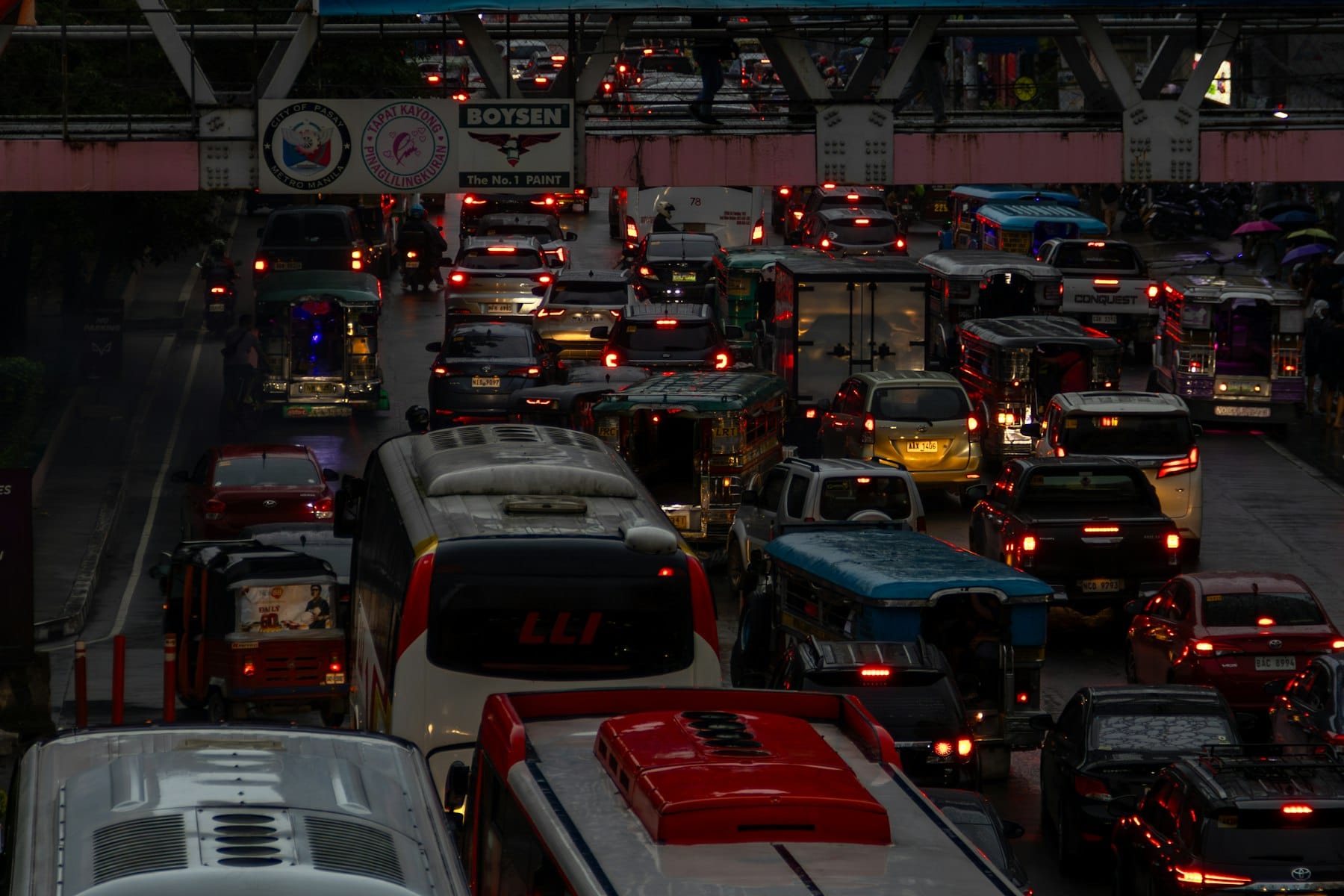
Driving can make life in the Philippines much easier, especially if you live outside the centers of Metro Manila, Cebu or Davao. But foreign residents often discover that the rules for using an overseas license, converting it to a Philippine license and dealing with local traffic are not always obvious.
This 2026 guide explains the practical route: when a foreign license can be used, when conversion becomes necessary, what the Land Transportation Office (LTO) currently requires, which applicants may need examinations, and what everyday driving conditions newcomers should prepare for.
Quick Answer
- A bona fide tourist holding a valid foreign driver’s license may drive in the Philippines for no more than 90 days of their stay, according to current LTO guidance.
- Foreign nationals who need to convert a valid overseas license must satisfy LTO eligibility requirements, including a valid visa for at least 120 days upon the date of arrival.
- If the foreign license is not in English, LTO requires an official English translation from the issuing country’s embassy or consular office.
- Applicants from countries that operate right-hand-drive vehicles must pass a practical driving examination.
- A valid foreign license may generally be converted only to Philippine DL Codes A, A1, B, B1 and/or B2. Heavier or professional vehicle codes have additional employment, experience and training requirements.
Can a Foreigner Drive in the Philippines With a Foreign License?
Yes, but the length of time matters. LTO’s licensing guidance states that a bona fide tourist with a valid foreign driver’s license may operate a motor vehicle for no more than 90 days of their stay in the Philippines.
This rule is particularly useful for visitors and newly arrived residents. It does not mean that a foreign license can be used indefinitely simply because it remains valid in the country that issued it. If you plan to stay longer and continue driving, you should prepare for conversion to a Philippine driver’s license rather than waiting until the 90-day period has passed.
Carry your original valid license while driving. If the license is not written in English, obtain the required official English translation before relying on it for an LTO transaction. It is also sensible to carry your passport or another document that can establish your date of arrival if questions arise about the 90-day period.
New residents should read our Living in the Philippines as a Foreigner guide alongside this article because transport is only one part of setting up daily life.
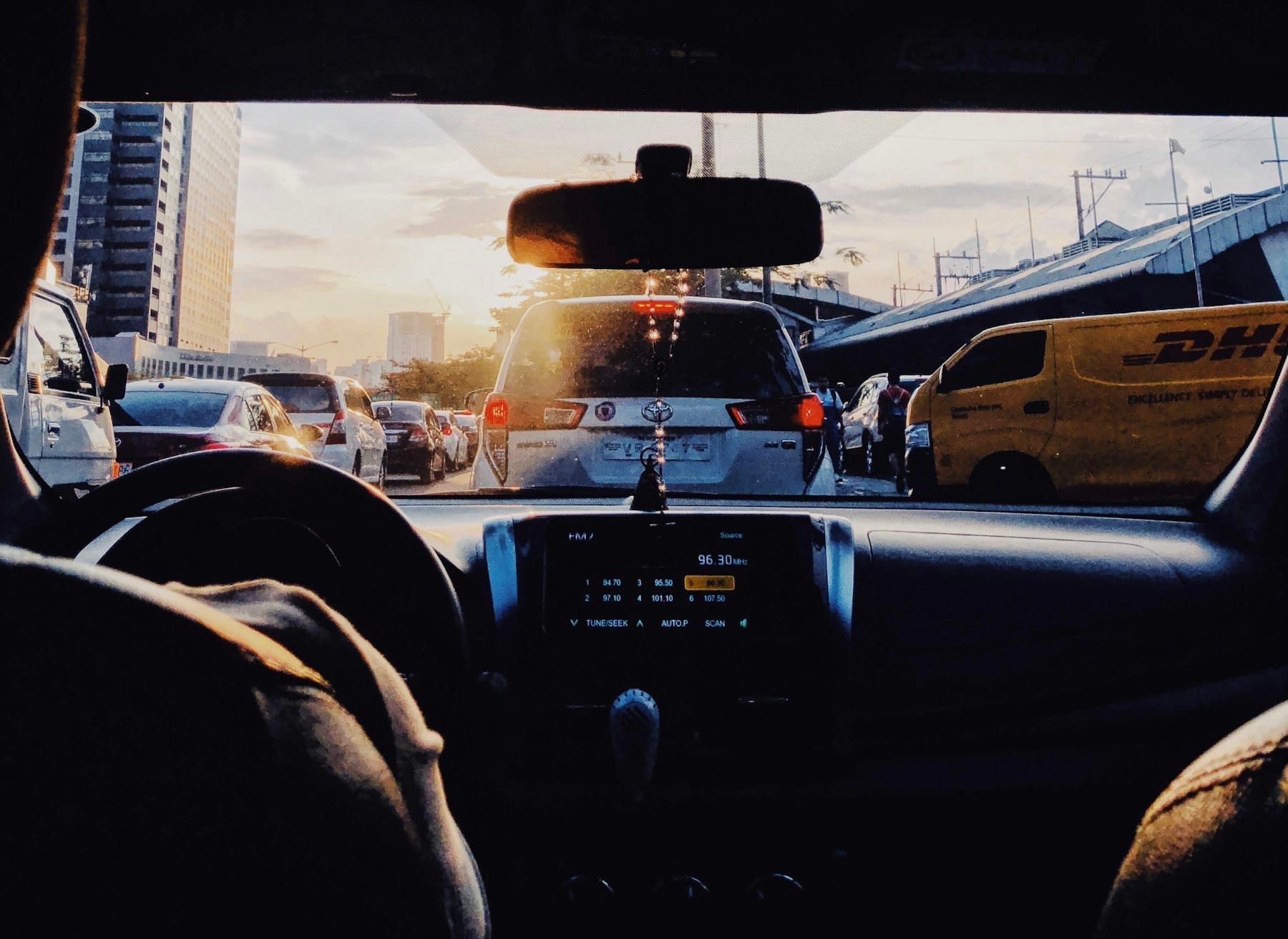
When Should You Convert Your Foreign License?
If you are moving to the Philippines rather than making a short visit, start planning the conversion early. The current LTO Citizen’s Charter describes conversion as the process of adopting a foreign driver’s license into a Philippine driver’s license and lists the transaction at licensing offices.
Current LTO guidance says an applicant must be physically and mentally fit to operate a motor vehicle, be able to read and write in English, Filipino and/or a major local dialect, hold a valid foreign driver’s license, have no unsettled traffic violation, and meet the applicable visa requirement. For foreign nationals, LTO states that the applicant must have a valid visa for at least 120 days upon the date of arrival.
Do not rely on older blog posts that quote previous immigration-duration requirements without checking the current LTO Citizen’s Charter. Licensing procedures have changed over time, so the current LTO document should be your starting point.
Documents to Prepare
The exact checklist can vary depending on the applicant’s circumstances, but LTO’s current conversion procedure identifies several core documents and conditions. Prepare these before visiting a licensing office:
- A duly accomplished Application for Permits and Licenses (APL) form.
- An electronically transmitted medical certificate from an LTO-accredited medical clinic, with the required original/photocopy documentation.
- Your original valid foreign driver’s license and a photocopy.
- Your passport and immigration documents showing the qualifying visa and arrival information.
- An official English translation from the embassy or consular office of the issuing country if the foreign license is not in English.
- Other supporting documents that LTO may require for your specific immigration, employment or license status.
Requirements can be updated, and individual cases differ. Before going to an office, check the latest LTO Citizen’s Charter and the official LTMS portal rather than depending only on a checklist copied from a third-party website.
Do You Need a Written or Practical Driving Test?
Not every conversion follows exactly the same testing route. A key distinction is whether the foreign license is valid and where it was issued.
LTO states that applicants from countries operating right-hand-drive vehicles must pass the practical examination. This requirement is understandable because the Philippines drives on the right side of the road and most vehicles have the steering wheel on the left. A driver arriving from Japan, the United Kingdom, Australia or another left-side-driving jurisdiction needs to adapt to different road positioning and traffic flow.
LTO guidance also states that when the foreign driver’s license is expired, the applicant must pass the theoretical examination and practical driving test. If your license is close to expiry, renewing it in the issuing country before relocation may therefore simplify your situation, depending on your circumstances.
What Philippine License Codes Can Be Converted?
A valid foreign driver’s license may be converted into a Philippine license, but LTO guidance limits ordinary foreign-license conversion to DL Codes A, A1, B, B1 and/or B2. In practical terms, these cover common motorcycles and private/light vehicles rather than every heavy or professional vehicle category.
Foreign nationals who want to operate vehicles under codes such as BE, C, CE or D face additional requirements. LTO guidance refers to a Department of Labor and Employment Alien Employment Permit (AEP), together with applicable experience and training requirements.
For most retirees, spouses, remote workers and long-stay residents who simply want to drive a car or motorcycle for personal use, the ordinary conversion route is the relevant one.
Using the LTMS Portal
The LTO’s Land Transportation Management System (LTMS) is the agency’s online platform for licensing and motor-vehicle services. Create and maintain your own account rather than allowing an unofficial fixer to control your credentials.
Your personal details should match your official documents. Differences in spelling, middle names, passport details or birth dates can create avoidable delays. Keep the email address and mobile number associated with the account accessible because you may need them for account verification and future transactions.
The LTMS portal also provides official e-learning materials. Even experienced foreign drivers can benefit from reviewing Philippine road rules, signs and licensing information before driving regularly.
What Does the Conversion Process Look Like?
A typical applicant should expect a process broadly along these lines:
- Confirm that you meet the current visa, license and eligibility requirements.
- Prepare your foreign license, passport/immigration documents and any required translation.
- Complete the medical examination at an LTO-accredited clinic so the certificate can be transmitted electronically.
- Complete the application and submit the required documents at an authorized LTO licensing office.
- Complete any theoretical or practical examination that applies to your case.
- Pay the official assessed fees through the authorized process.
- Complete biometrics/photo/signature procedures and follow LTO instructions for issuance of the Philippine license.
Do not assume that every office will have the same queue length or that a transaction can always be finished quickly. Allow enough time, bring originals and photocopies, and avoid scheduling the visit immediately before a flight or another important appointment.
How Much Does It Cost?
LTO fees can be revised and the total amount depends on the transaction and examinations required. In addition to official LTO charges, applicants normally need to budget for the accredited medical examination and, where applicable, document translation or authentication.
For that reason, this guide does not give a single “guaranteed” peso total that may become outdated. Check the current LTO Citizen’s Charter or the assessment generated for your transaction. Pay only through official or authorized channels and request receipts.
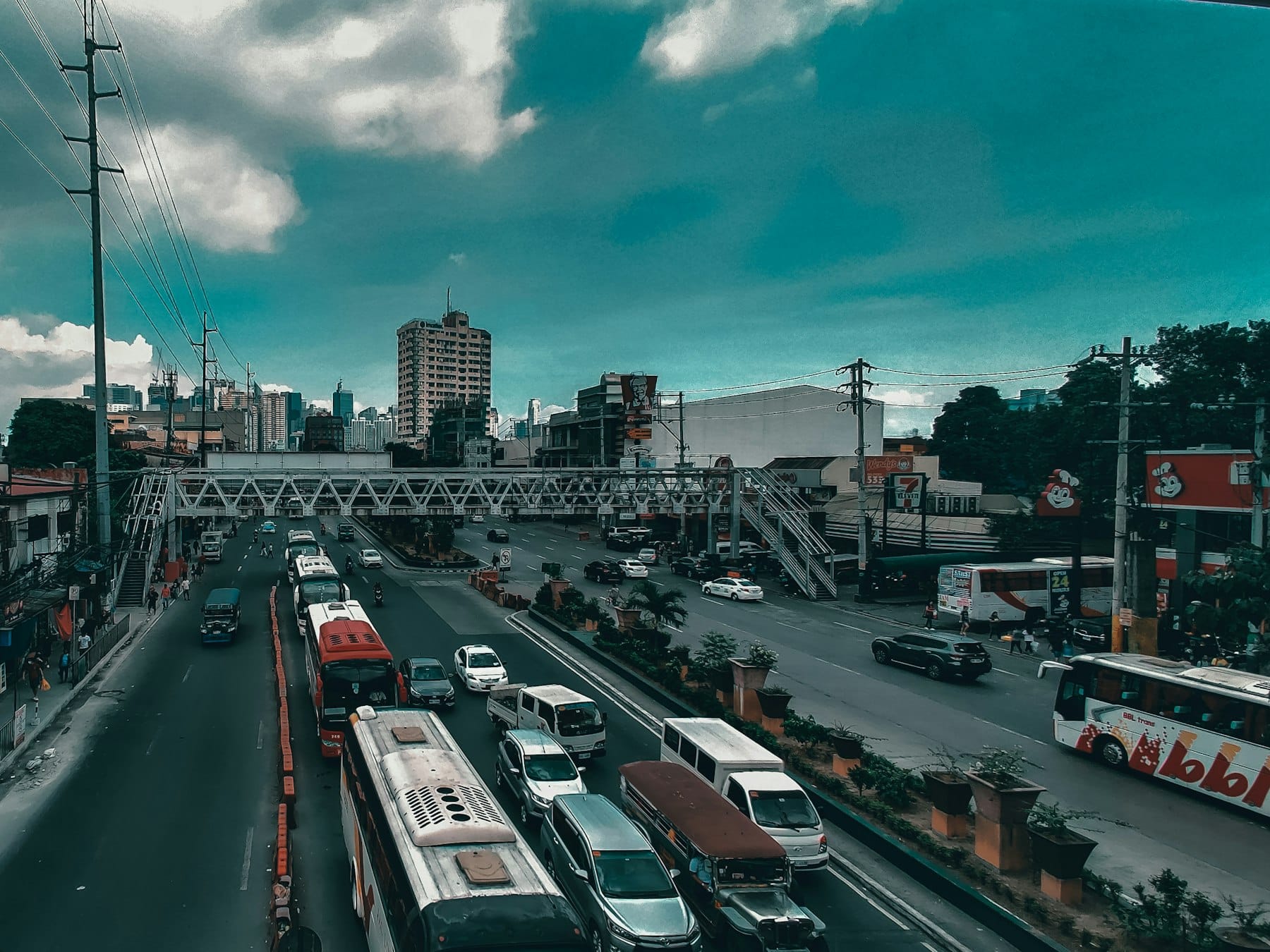
Driving in Metro Manila: What Newcomers Should Expect
Having the correct license is only the first step. Metro Manila driving requires patience, defensive driving and realistic travel-time planning. Traffic can change dramatically by time of day, weather, road works and local events.
Motorcycles may filter between lanes, jeepneys and buses make frequent stops, pedestrians can cross in unexpected places, and lane markings are not always followed as rigidly as a newcomer may expect. The safest response is not aggressive driving but more space, lower speed and constant observation.
Navigation apps are useful, but do not follow a suggested turn blindly. Roads can have changing restrictions, one-way sections or local access rules. If you are new to Manila, our Condo Living and Transportation in Manila guide explains why your home location can matter as much as your choice of car.

Parking, Tolls and Daily Car Ownership
Before buying a vehicle, check whether your home includes a parking space. In many condominium developments, parking is a separate asset or separately leased. A seemingly affordable unit can become less attractive once monthly parking and daily toll costs are included.
Expressways around Metro Manila and Luzon use electronic toll collection systems. If you regularly use toll roads, make sure the appropriate RFID account is installed and funded before travel. Rules and interoperability arrangements can change, so confirm current requirements with the relevant expressway operator.
For city residents, a car is not always the cheapest or fastest choice for every trip. Ride-hailing, rail, taxis and walking may be more practical for certain destinations. If you are choosing where to live, compare the full transport pattern rather than assuming that owning a car solves every mobility problem.
Buying a Car or Choosing an EV
If you expect to drive daily, consider parking, insurance, registration, maintenance, fuel, flooding exposure and resale value—not just the purchase price. Used vehicles should be checked carefully for ownership documents, accident history and mechanical condition.
Electric vehicles are increasingly visible in Metro Manila, but charging access is still a location-specific question. Condo residents should confirm whether their building allows private chargers and how electricity is billed. Our Electric Vehicles in Manila 2026 guide covers these practical issues in more detail.
Road Safety and Flooding
Heavy rain can quickly change driving conditions. Never enter floodwater simply because another vehicle appears to make it through. Water depth can be difficult to judge, road surfaces may be damaged and a stalled vehicle can become dangerous.
During severe weather, check official advisories and consider postponing non-essential trips. Keep your vehicle maintained, particularly tires, brakes, lights and wipers. Defensive driving is especially important at night and during rain when road markings and motorcycles can be harder to see.
Insurance and Accident Preparation
Vehicle registration and compulsory insurance requirements are separate from your driver’s license. If you own a car, understand what your policy actually covers beyond the minimum compulsory requirement. Comprehensive insurance can be worth considering for a newer or higher-value vehicle.
Keep copies of your license, vehicle registration and insurance details accessible. If an accident occurs, prioritize safety, seek medical or emergency assistance when needed, document the scene where safe, and follow police, insurer and LTO procedures. Do not hand over original documents casually to an unknown third party.
Common Mistakes Foreign Drivers Should Avoid
- Assuming a foreign license remains usable indefinitely. The tourist driving allowance is limited; long-stay residents should plan conversion.
- Following old online checklists. Use the current LTO Citizen’s Charter and LTMS information.
- Using fixers. Keep control of your LTMS account and use official payment and application channels.
- Ignoring the translation requirement. A non-English foreign license may need an official English translation.
- Underestimating traffic. A short distance in Metro Manila can take much longer than expected.
- Buying a car before checking parking. Condo parking can materially change the cost of ownership.
- Driving into floodwater. Turn around when depth and road condition are uncertain.
FAQ
How long can I drive in the Philippines with a foreign license?
Current LTO guidance says a bona fide tourist with a valid foreign driver’s license may drive for no more than 90 days of their stay in the Philippines.
Can I convert my foreign license to a Philippine license?
Yes, if you meet LTO’s current qualifications and documentary requirements. Foreign nationals should pay particular attention to the visa requirement and whether their license is valid and in English.
Do I need a practical driving test?
LTO requires a practical examination for applicants from countries operating right-hand-drive vehicles. An expired foreign license can also trigger theoretical and practical testing requirements.
Can I convert a foreign commercial or heavy-vehicle license directly?
Ordinary conversion is limited to specified DL codes. Heavier/professional categories have additional requirements, including employment authorization, experience and training conditions where applicable.
Should I get an International Driving Permit?
An International Driving Permit can be useful for travel, but it should not be treated as a way to bypass Philippine licensing rules or the 90-day foreign-license rule. Confirm your circumstances with LTO and the issuing automobile association before relying on one.
Final Checklist
Before driving long term in the Philippines, confirm the date you entered the country, validity and language of your foreign license, visa eligibility for conversion, medical-certificate requirement, applicable examinations and the authorized LTO office where you will transact. Then plan for the practical side: parking, insurance, tolls, traffic and weather.
For newcomers, the best approach is simple: use your legal foreign-license privilege correctly while it applies, start the conversion process before you need it urgently, and learn local driving conditions gradually. The paperwork is manageable when your documents are complete, but safe everyday driving requires patience and adaptation.
Legal/Administrative Disclaimer: This article provides general information and is not legal advice. LTO procedures, fees, documentary requirements and immigration rules may change. Confirm the latest requirements directly with the Land Transportation Office and relevant immigration or employment authorities before applying.
Official Sources
- Land Transportation Office — 2025 Citizen’s Charter, Driver’s License Services
- Land Transportation Office — Driver’s License / Foreign License Conversion Guidance
- LTO Land Transportation Management System (LTMS)
Last updated: September 23, 2026
Leave a Reply