
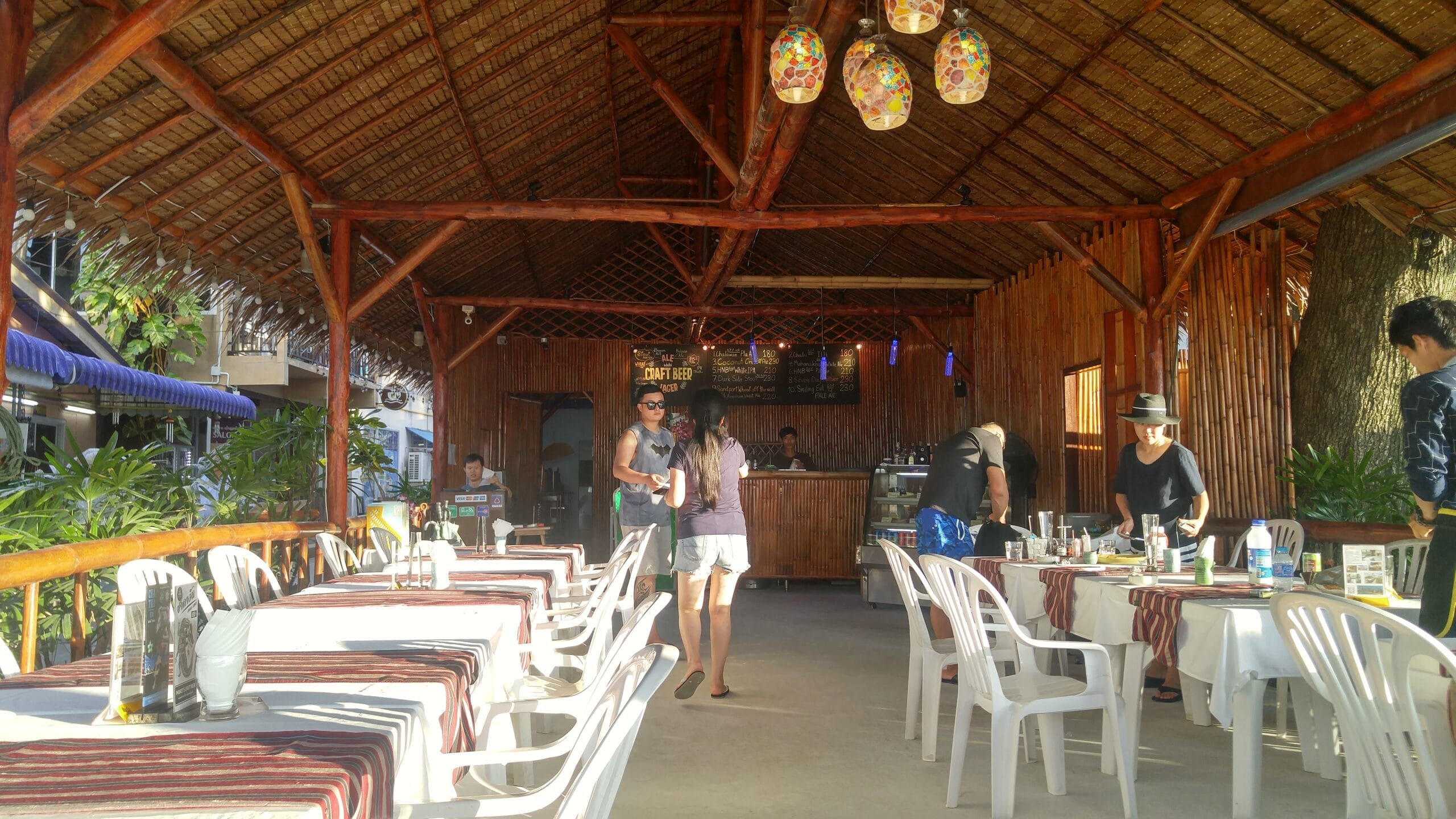
Yes, a foreigner can open and invest in a restaurant in the Philippines.
However, the answer becomes more complicated when you ask:
How much of the restaurant can the foreigner own?
A foreign investor may be able to own 100% of a Philippine restaurant company, but the permitted ownership structure depends on the amount of paid-in capital, the exact activities of the company, and whether any other restricted business activity is included.
For a smaller restaurant with limited capital, forming a company that is at least 60% Filipino-owned and up to 40% foreign-owned may be the more practical structure.
For a majority or wholly foreign-owned restaurant serving the Philippine domestic market, the foreign-investment capitalization rules become particularly important.
The key is not to assume that every restaurant must follow the famous 60/40 rule—or that every foreign-owned restaurant automatically needs ₱25 million.
This guide explains the ownership, capitalization, company registration, permits, location, employment, food-safety requirements, and practical issues a foreign investor should understand before opening a restaurant in the Philippines in 2026.
Opening a Restaurant in the Philippines at a Glance
| Question | General Rule |
|---|---|
| Can a foreigner invest in a Philippine restaurant? | Yes |
| Can a foreigner own 40%? | Generally yes, when the company remains a Philippine national with at least 60% Filipino ownership |
| Can a foreigner own more than 40%? | Yes, potentially, if the business and capitalization requirements allow it |
| Can a restaurant be 100% foreign-owned? | Potentially yes, subject to applicable foreign-investment capitalization and other requirements |
| General capital threshold for a majority foreign-owned domestic-market enterprise | US$200,000 paid-in equity, unless an exception applies |
| Possible reduced threshold | US$100,000 for qualifying enterprises under RA 11647 |
| Is the ₱25 million foreign-retail threshold automatically applicable to a restaurant? | No. Do not automatically treat an ordinary restaurant as a retail enterprise solely because it sells prepared food |
| Can a foreigner personally manage or work in the restaurant? | Ownership and employment are separate; appropriate immigration and employment authorization may be required |
| Can a foreigner own the land under the restaurant? | Generally no as an individual; leasing commercial premises is common |
| Main registrations | SEC, BIR, barangay/LGU business permits, health and sanitary requirements, fire-safety requirements, and other applicable approvals |
| Can the restaurant sell alcohol? | Usually possible, but local liquor licensing and city rules must be checked |
| Best practical advice | Confirm ownership and capital structure before signing a long-term lease or spending heavily on renovations |
Important: Restaurant regulations differ by city and municipality. A restaurant in Makati, Taguig, Quezon City, Cebu, Angeles, or another locality may face different documentary, zoning, health, liquor, signage, and local permit requirements.
Table of Contents
Can a Foreigner Really Own a Restaurant in the Philippines?
Yes.
Foreign investors are not automatically prohibited from owning a restaurant business in the Philippines.
Under the Foreign Investments Act, as amended by Republic Act No. 11647, a non-Philippine national may generally invest up to 100% of the capital of a Philippine enterprise unless foreign participation in the particular activity is restricted by the Constitution, another law, or the Foreign Investment Negative List.
The full provision can be reviewed in Republic Act No. 11647 on Lawphil.
The current list of restricted activities is the 13th Regular Foreign Investment Negative List, promulgated through Executive Order No. 113, s. 2026.
The important point is that restaurant operations are not subject to a universal rule requiring 60% Filipino ownership.
But that does not mean every foreign investor can establish a 100% foreign-owned restaurant with a small amount of capital.
Capitalization matters.
Before choosing your structure, our Foreign Ownership in the Philippines: What Businesses Can Foreigners Own in 2026? explains the broader rules governing 100% foreign ownership, 60/40 companies, restricted industries, and the current Foreign Investment Negative List.
The Most Important Rule: Capitalization
For most foreigners considering a restaurant, the most important legal issue is not whether restaurants are prohibited to foreigners.
It is whether the proposed restaurant is a domestic-market enterprise with enough paid-in equity capital to support the desired level of foreign ownership.
The US$200,000 Rule
Under the Foreign Investments Act, micro and small domestic-market enterprises with paid-in equity capital below the equivalent of US$200,000 are generally reserved to Philippine nationals.
For practical purposes, this means that if a foreign investor wants to own more than 40% of an ordinary domestic-market restaurant, the company will generally need to satisfy the applicable foreign-investment capitalization requirement.
The standard threshold is:
US$200,000 in paid-in equity capital
unless the company qualifies for one of the statutory exceptions.
This is an important distinction.
The law does not say:
Every restaurant in the Philippines needs US$200,000.
And it does not say:
Every restaurant with a foreign shareholder needs US$200,000.
The issue becomes particularly relevant when foreigners want the company to cease being a “Philippine national” by owning more than 40% of its capital.
What If the Foreigner Owns Only 40%?
Consider a simple example.
A restaurant company has:
- Filipino ownership: 60%
- Foreign ownership: 40%
Because the company remains at least 60% Filipino-owned, it may qualify as a Philippine national for purposes of the Foreign Investments Act.
The US$200,000 threshold that becomes important for majority foreign-owned micro and small domestic-market enterprises therefore does not automatically mean this 60/40 restaurant must have US$200,000 in capital.
This can make a Filipino-majority joint venture considerably more accessible for a smaller restaurant project.
However, the Filipino shareholders must be genuine investors and owners.
They cannot simply hold shares on paper while secretly acting as nominees for the foreign investor.
Can a Restaurant Be 100% Foreign-Owned?
Potentially, yes.
Suppose a foreign investor wants to establish a Philippine corporation and own:
100% of the restaurant company.
Assuming the company’s activities are not otherwise restricted, the critical issue becomes satisfying the capitalization requirements applicable to a foreign-owned domestic-market enterprise.
In the ordinary case, that means considering the US$200,000 paid-in equity requirement under the Foreign Investments Act.
A foreign investor should therefore avoid assuming that a 100% foreign-owned restaurant can be established with only ₱1 million or ₱2 million simply because restaurants themselves are not constitutionally restricted.
The business may be open to foreign ownership, but the capitalization rule can still limit the ownership structure.
When Can the US$200,000 Requirement Be Reduced to US$100,000?
Republic Act No. 11647 provides important exceptions.
The minimum paid-in capital may be reduced to US$100,000 if the qualifying domestic-market enterprise:
- involves advanced technology as determined by the Department of Science and Technology;
- is endorsed as a startup or startup enabler under the Innovative Startup Act; or
- employs a majority of Filipino direct employees, provided that there are at least 15 Filipino employees.
The third exception is particularly relevant to restaurants.
Restaurants are labor-intensive businesses. A sufficiently sized restaurant may employ:
- chefs;
- cooks;
- kitchen assistants;
- servers;
- cashiers;
- cleaners;
- supervisors;
- purchasing staff; and
- administrative employees.
Therefore, a restaurant planning to employ at least 15 Filipino direct employees may potentially qualify for the US$100,000 capitalization threshold, provided all statutory conditions are actually satisfied.
This should be confirmed during company structuring and registration rather than assumed based merely on projected employment.
Does a Foreign-Owned Restaurant Need ₱25 Million?
This is one of the most confusing questions for foreign investors.
Not necessarily.
The ₱25 million figure comes from the Retail Trade Liberalization Act, as amended by Republic Act No. 11595.
That law establishes a ₱25 million minimum paid-up capital requirement for qualifying foreign retailers.
You can review the current retail law in Republic Act No. 11595.
But a restaurant should not automatically be treated as an ordinary retail store simply because customers purchase food.
Restaurant operations, retail trade, food manufacturing, wholesale distribution, and the sale of packaged products can create different legal issues.
For example, there is an important difference between:
Restaurant A
A Korean restaurant prepares meals in its kitchen and serves those meals to customers.
and:
Restaurant B
The same company operates a restaurant but also imports and sells packaged Korean food, bottled sauces, cookware, frozen products, and other merchandise directly to the public.
The second company may involve additional retail or import/distribution activities that need to be separately examined.
Therefore, the company’s Articles of Incorporation and stated business purposes matter.
Do not add broad purposes such as:
- retail;
- importation;
- distribution;
- wholesale;
- food manufacturing; or
- franchising
without understanding whether those activities change the company’s regulatory requirements.
What About SEC Opinion No. 19-21?
Foreign investors researching restaurants sometimes encounter SEC-OGC Opinion No. 19-21, issued in 2019.
This opinion involved a proposed 100% foreign-owned restaurant inside the Clark Freeport Zone.
The SEC examined whether the special laws governing the Clark economic zone affected application of the Retail Trade Liberalization Act and Foreign Investments Act.
The opinion is useful, but it must be interpreted carefully.
It was based on the specific legal regime applicable to Clark Freeport and explicitly stated that the opinion was based on the particular facts presented and should not be treated as a standing rule binding other cases.
Foreign investors opening an ordinary restaurant in Metro Manila, Cebu, Davao, or elsewhere should therefore not rely on the Clark opinion as proof that any restaurant anywhere in the Philippines can automatically be 100% foreign-owned regardless of capitalization.
The general Foreign Investments Act and current Foreign Investment Negative List should still be examined.
Example 1: Foreigner Has ₱1 Million
Suppose a foreign entrepreneur wants to open a small restaurant with only:
₱1 million
and wants to own 100% of the company.
This creates a capitalization problem.
A small domestic-market enterprise with paid-in equity far below the applicable US$200,000 threshold generally cannot simply be structured as a 100% foreign-owned company unless a specific exception applies.
A more realistic structure might involve a legitimate Filipino-majority company, for example:
- Filipino shareholders: 60%
- Foreign shareholder: 40%
But the actual financial contributions, voting rights, beneficial ownership, and management arrangements must comply with Philippine law.
The Filipino shareholders cannot merely serve as nominees.
Example 2: Foreign Investor and Filipino Partner Have ₱10 Million
Suppose a foreign investor and Filipino partner have a total of:
₱10 million
available for a restaurant.
The money could theoretically be allocated in many different ways.
But if the desired company is majority foreign-owned, the investors must first determine whether the paid-in equity satisfies the applicable foreign-investment capitalization threshold.
If the company does not meet that requirement, a structure such as:
- Filipino: 60%
- Foreigner: 40%
may be more realistic.
The key point is that having substantial working capital does not automatically determine the legal ownership percentage.
Capital available for the project and legally required paid-in equity capital are related but not always identical concepts.
Example 3: Restaurant Employing at Least 15 Filipinos
Now assume a foreign investor wants majority or full ownership and plans a larger restaurant operation employing at least:
15 Filipino direct employees
with Filipinos constituting the majority of direct employees.
This may create a pathway to the US$100,000 minimum paid-in capital exception under the Foreign Investments Act.
However, the investor should not build a financial plan around the exception until the proposed structure and employee arrangements have been reviewed carefully.
Employment levels may also need to be maintained for compliance purposes.
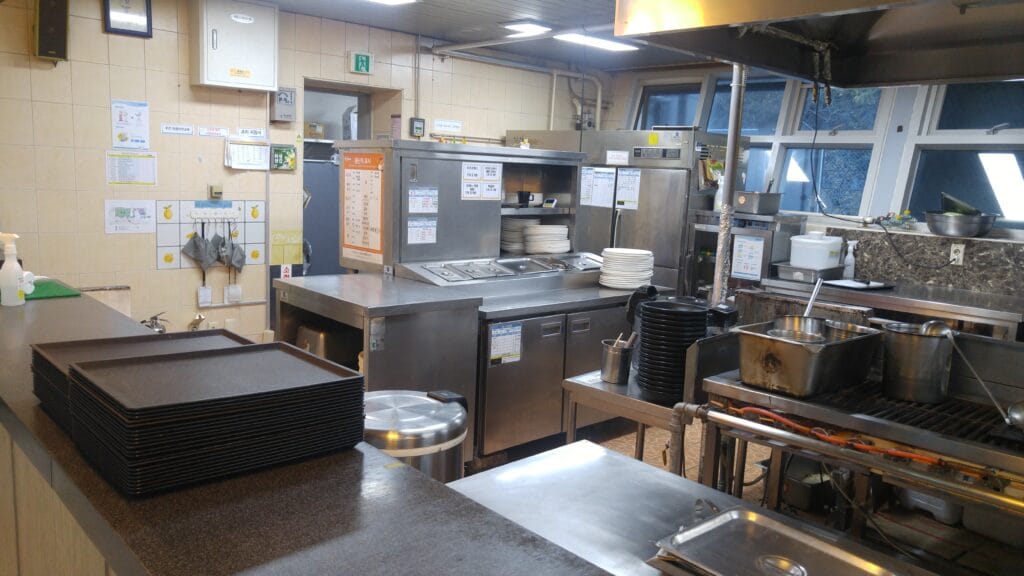
Do You Need a Filipino Partner?
Not always.
This is another common misunderstanding.
A foreigner does not automatically need a Filipino partner merely because the business is located in the Philippines.
A Filipino partner becomes relevant when:
- the company needs to remain a Philippine national;
- the business activity has a foreign-equity restriction;
- capitalization is below the threshold required for majority foreign ownership; or
- the investors genuinely want a joint venture.
A Filipino partner can also contribute important advantages:
- local market knowledge;
- supplier relationships;
- staffing experience;
- government and administrative familiarity;
- customer understanding;
- local language skills; and
- operational management.
But a partnership should be based on real ownership and clearly defined rights, not simply on finding someone willing to place his or her name on corporate documents.
Never Use a Filipino Nominee to Hide Foreign Ownership
A common piece of informal advice given to foreigners is:
“Put 60% in a Filipino friend’s name, but you really own the whole business.”
This can create serious legal problems.
Where Filipino ownership is required, it must be genuine.
The foreign investor should not secretly control shares that are supposedly owned by Filipino shareholders simply to circumvent nationality restrictions.
A legitimate joint venture should clearly establish matters such as:
- capital contributions;
- share ownership;
- voting rights;
- board seats;
- dividends;
- shareholder loans;
- transfer of shares;
- additional capital calls;
- management responsibilities;
- deadlock procedures; and
- exit arrangements.
Friendship is not a substitute for a properly structured shareholders’ agreement.
What Business Structure Should a Foreign Restaurant Use?
For foreign investors, a Philippine corporation is commonly considered because it provides a clear structure for foreign and Filipino share ownership.
The appropriate structure will depend on:
- ownership percentage;
- paid-in capital;
- number of investors;
- business activities;
- tax considerations;
- management structure; and
- future expansion plans.
The corporation must be registered with the Securities and Exchange Commission (SEC).
The SEC currently processes company registrations through its eSPARC company registration system.
Before filing, the investors should carefully prepare the company’s primary and secondary purposes.
A restaurant corporation that later intends to:
- import ingredients;
- distribute products;
- sell packaged food;
- manufacture sauces;
- franchise its concept;
- operate several branches; or
- provide catering
may require broader corporate purposes and additional regulatory review.
For the overall company-establishment process, see our How to Register a Business in the Philippines: A Practical Guide for 2026.
Step-by-Step: Opening a Restaurant in the Philippines
The exact sequence varies by city, premises, ownership structure, and business model, but a typical restaurant establishment process involves the following stages.
Step 1: Define the Restaurant Concept
Before registering anything, define exactly what the business will do.
For example:
Korean barbecue restaurant
is clearer than:
food business.
Determine whether the company will also provide:
- delivery;
- catering;
- alcohol;
- imported food;
- packaged retail products;
- online sales;
- food manufacturing;
- franchising; or
- wholesale distribution.
These additional activities can affect permits, corporate purposes, and foreign-investment analysis.
Step 2: Determine the Foreign Ownership Structure
Ask:
How much of the company will the foreign investor own?
Possible structures may include:
- 100% foreign;
- 60% foreign / 40% Filipino;
- 50/50;
- 40% foreign / 60% Filipino; or
- another lawful combination.
Then compare the proposed ownership with:
- the Foreign Investments Act;
- the 13th Foreign Investment Negative List;
- capitalization requirements; and
- any special laws affecting secondary business activities.
Do this before investing heavily in the restaurant.
Step 3: Determine the Required Paid-In Capital
This is where the ownership decision becomes financially important.
For an ordinary domestic-market restaurant:
If foreign ownership is 40% or less
The company may remain a Philippine national if at least 60% is genuinely Filipino-owned.
If foreign ownership exceeds 40%
The foreign-investment capitalization requirements become particularly important.
The standard threshold for relevant domestic-market enterprises is generally:
US$200,000 paid-in equity
with a possible:
US$100,000 threshold
for qualifying enterprises under the statutory exceptions.
The appropriate capital should be confirmed before SEC registration.
Step 4: Register the Corporation With the SEC
Once the ownership and capitalization structure has been determined, the investors can proceed with SEC registration.
Typical corporate matters include:
- company name;
- incorporators;
- shareholders;
- directors;
- principal office;
- primary purpose;
- secondary purposes;
- authorized capital;
- subscribed capital; and
- paid-in capital.
Avoid copying the corporate purpose of another restaurant without checking whether it matches your actual business.
A few extra words such as retail, importation, or distribution can have regulatory consequences.
Step 5: Choose the Restaurant Location Carefully
For a restaurant, the lease can become one of the most expensive mistakes.
Do not choose a location based only on appearance.
Before signing a long-term lease, confirm:
- commercial use is permitted;
- restaurant operations are allowed;
- cooking exhaust can be installed;
- grease traps are permitted or available;
- adequate electrical capacity exists;
- water supply is sufficient;
- drainage is appropriate;
- LPG or other cooking-fuel arrangements are permitted;
- fire-safety requirements can be met;
- signage is allowed;
- garbage collection is workable;
- delivery vehicles can access the property;
- customer parking is adequate if required;
- operating hours are compatible with building or barangay rules; and
- alcohol sales are permitted if planned.
A beautiful unit can become commercially useless if the building does not permit the required exhaust system.
Do site due diligence before committing to an expensive fit-out.
Foreigners Usually Lease Restaurant Premises
Foreign individuals generally cannot directly own private land in the Philippines.
For most foreign restaurant entrepreneurs, this is not a major obstacle because commercial premises can be leased.
Restaurants commonly operate from:
- shopping malls;
- commercial buildings;
- mixed-use developments;
- standalone leased buildings;
- hotel complexes; and
- leased commercial land and structures.
The lease should be reviewed carefully before major renovations begin.
Important provisions include:
- lease term;
- renewal rights;
- escalation rates;
- security deposits;
- common-area charges;
- renovation period;
- rent-free fit-out period;
- restoration obligations;
- signage rights;
- exhaust installation;
- utility capacity;
- assignment;
- subleasing;
- early termination; and
- responsibility for government approvals.
Restaurant fit-outs are expensive. A weak lease can place that investment at risk.
Step 6: Register With the BIR
After corporate registration, the restaurant must complete its tax registration requirements with the Bureau of Internal Revenue.
BIR registration involves matters such as:
- taxpayer registration;
- books of accounts;
- invoicing requirements;
- applicable tax types; and
- other tax-registration obligations.
The BIR currently provides online business-registration options, including the NewBizReg Portal.
Tax obligations depend on the company’s structure, revenue, transactions, employees, and other circumstances.
A restaurant should establish proper accounting procedures from the beginning rather than trying to reconstruct records months later.
Step 7: Obtain Local Business Permits
Restaurant permits are heavily influenced by the city or municipality where the premises are located.
Requirements commonly involve:
- barangay clearance;
- mayor’s permit or business permit;
- zoning or locational clearance;
- occupancy-related documentation;
- sanitary permit;
- fire-safety compliance;
- health certificates for food handlers;
- signage permits where applicable; and
- other local clearances.
The specific requirements should always be confirmed with the relevant LGU.
The Philippine Business Hub also provides government information and services intended to streamline business registration.
Step 8: Meet Food-Safety and Sanitation Requirements
Restaurants operate under Philippine food-safety and sanitation requirements.
The Code on Sanitation of the Philippines, Presidential Decree No. 856, contains detailed standards for food establishments.
Among other requirements, it addresses:
- food-handling areas;
- handwashing facilities;
- toilets;
- equipment;
- food storage;
- waste disposal;
- pest control;
- cleaning and sanitation; and
- food-handler health requirements.
The Code requires food handlers working in a food establishment to have health certificates issued by the local health authority.
It also provides for inspections of food establishments and sanitary permits.
Restaurant operators can review the official text of Presidential Decree No. 856 on Lawphil.
These requirements should influence the restaurant design before construction, not after the kitchen has already been built.
Step 9: Fire Safety Must Be Considered During Design
Restaurants have particular fire-safety concerns because they may contain:
- LPG;
- cooking flames;
- fryers;
- electrical cooking equipment;
- exhaust ducts;
- grease;
- high electrical loads; and
- significant customer occupancy.
Fire-safety compliance should therefore be addressed during architectural and kitchen planning.
Waiting until the restaurant is almost ready to open can result in costly redesigns.
The Bureau of Fire Protection is involved in fire-safety compliance associated with business establishments.
Step 10: Check Liquor Licensing Before Selling Alcohol
If the restaurant intends to sell:
- beer;
- wine;
- soju;
- cocktails;
- spirits; or
- other alcoholic beverages,
check the local liquor-license requirements before opening.
Rules differ among LGUs and may involve restrictions relating to:
- operating hours;
- location;
- proximity to certain institutions;
- type of establishment;
- local ordinances; and
- special liquor permits.
Do not assume that obtaining a general business permit automatically authorizes every form of alcohol sale.
Step 11: Register and Manage Employees Properly
Restaurants are labor-intensive.
Typical employees may include:
- restaurant manager;
- chef;
- cooks;
- kitchen assistants;
- servers;
- cashier;
- cleaner;
- dishwasher;
- purchasing staff;
- delivery personnel; and
- security personnel.
Employers must comply with applicable labor laws and mandatory employment obligations.
Depending on the employment arrangement, registrations and contributions involving agencies such as:
- SSS;
- PhilHealth; and
- Pag-IBIG
may also be required.
Payroll, employee contracts, working hours, overtime, holidays, service charges, benefits, and workplace policies should be established properly from the beginning.
Can the Foreign Owner Personally Work in the Restaurant?
This requires separate consideration.
Owning shares in a company and having the right to work in that company are not the same thing.
A foreigner might legally own shares in a Philippine restaurant but still need appropriate authorization to personally work in the business.
For example, actively performing duties as:
- general manager;
- chef;
- operations manager;
- purchasing manager; or
- another regular working position
may create employment and immigration requirements.
The Department of Labor and Employment maintains current information about the Alien Employment Permit and the employment of foreign nationals in the Philippines.
Do not assume that a retirement visa, tourist status, corporate shareholding, or appointment as an officer automatically gives a foreign investor unrestricted permission to work.
Should You Buy an Existing Restaurant Instead?
Buying an existing restaurant can reduce some startup work, but it introduces a different set of risks.
Before buying, examine:
- actual sales;
- BIR filings;
- bank deposits;
- supplier debts;
- employee liabilities;
- unpaid rent;
- utility accounts;
- equipment ownership;
- equipment condition;
- permits;
- lease transferability;
- tax liabilities;
- litigation;
- customer reviews; and
- reason for sale.
Do not value a restaurant based only on:
construction cost + equipment cost + goodwill.
The real question is whether the restaurant can generate sustainable cash flow.
If the business has been losing money for two years, an expensive fit-out does not automatically make it valuable.
Restaurant Capital Is More Than the Legal Minimum
Foreign investors should distinguish between:
legal capitalization
and:
the amount of money actually required to survive.
A restaurant may require substantial spending on:
- security deposit;
- advance rent;
- renovation;
- kitchen exhaust;
- grease traps;
- electrical upgrades;
- LPG systems;
- furniture;
- kitchen equipment;
- refrigeration;
- POS system;
- plates and utensils;
- inventory;
- licenses;
- professional fees;
- salaries;
- marketing; and
- working capital.
Opening day is not the end of the startup period.
A restaurant may need months to build stable sales.
Therefore, spending almost all available capital on construction and equipment can be dangerous.
Keep adequate working capital after opening.
Do Not Spend ₱20 Million Just Because You Have ₱20 Million
Capital availability should not determine restaurant size.
Suppose an investor has ₱20 million available.
That does not mean the investor should build a ₱20 million restaurant.
A more disciplined strategy could be:
- establish the legal ownership and capitalization structure;
- identify the target customer;
- test the menu;
- study competing restaurants;
- estimate realistic daily covers;
- calculate food cost;
- estimate labor cost;
- negotiate the lease;
- build the smallest viable restaurant that proves the concept; and
- preserve cash for working capital.
A restaurant fails when it runs out of cash—not when it runs out of beautiful interior-design ideas.
For a broader framework on evaluating demand, location, competition, capital, and management capacity before investing, read our Planning a Business in the Philippines? A Practical Guide for Foreigners.
Food Cost and Rent Matter More Than the Opening Crowd
A restaurant can be busy and still lose money.
Foreign investors should understand the basic economics before opening.
Important numbers include:
- average customer spend;
- food cost percentage;
- beverage margin;
- labor cost;
- rent;
- common-area charges;
- electricity;
- LPG;
- water;
- delivery-platform commissions;
- spoilage;
- discounts;
- credit-card charges;
- taxes;
- marketing;
- maintenance; and
- owner/management salaries.
A restaurant with excellent sales but uncontrolled food cost and rent can still fail.
For this reason, prepare a monthly profit-and-loss model before signing the lease.
Location Should Match the Customer
“Good location” does not simply mean expensive location.
The right location depends on the restaurant concept.
A ₱2,000-per-person Korean barbecue restaurant and a ₱250 lunch restaurant need different customers, rents, parking arrangements, and foot traffic.
Before choosing a location, ask:
- Who is the target customer?
- Where does that customer live or work?
- What is the average intended bill?
- How often will the customer return?
- Is parking important?
- Is the restaurant dependent on lunch traffic?
- Is dinner more important?
- Will delivery represent a significant percentage of sales?
- How strong are nearby competitors?
- Does the location have enough weekday customers?
- What happens on weekends?
A cheaper location with the right customer base can outperform a prestigious location with the wrong one.
Foreign Restaurant Concepts Need Local Adaptation
A restaurant concept that succeeds in Korea, Japan, Europe, Australia, or the United States may not work exactly the same way in the Philippines.
Foreign operators should study:
- local price sensitivity;
- portion expectations;
- sweetness and spice preferences;
- rice consumption;
- group dining;
- family dining;
- delivery behavior;
- mall culture;
- parking;
- service expectations;
- social-media influence; and
- seasonal demand.
This does not mean changing the concept until it loses authenticity.
It means understanding the customer.
For example, a Korean restaurant may retain authentic food while adapting:
- portion sizes;
- set menus;
- lunch packages;
- group promotions;
- side-dish strategy;
- beverage selection; and
- delivery packaging.
The best foreign concepts often combine authenticity with local market understanding.
Common Mistakes Foreign Restaurant Owners Make
1. Assuming foreigners are always limited to 40%
They are not.
The correct answer depends on the activity and capitalization.
2. Assuming a restaurant automatically needs ₱25 million because of the Retail Trade Liberalization Act
That is an oversimplification.
Restaurant operations and retail activities should be analyzed separately.
3. Using a Filipino nominee
A genuine joint venture is legal.
A fake ownership arrangement designed to evade nationality restrictions can create serious problems.
4. Signing the lease before confirming permits
Always check the premises first.
5. Underestimating renovation costs
Restaurant fit-outs are often more complicated than ordinary office renovations.
6. Spending almost all capital before opening
Working capital matters.
7. Assuming strong opening sales will continue
New restaurants often receive curiosity traffic that later falls.
8. Importing too many ingredients
Imported products can create cost, customs, supply-chain, and inventory problems.
9. Creating a menu that is too large
A large menu increases inventory, waste, training requirements, and kitchen complexity.
10. Treating the restaurant as a passive investment
Restaurants usually require strong operational control, especially during their first years.
A Practical Ownership Decision
A foreign investor can think about the structure this way.
Small restaurant with limited capital
A legitimate Filipino-majority company with up to 40% foreign equity may be the practical route.
Larger restaurant with majority foreign ownership
Examine whether the company satisfies the US$200,000 paid-in equity threshold.
Restaurant with at least 15 Filipino direct employees
Examine whether the US$100,000 exception under the Foreign Investments Act may apply.
Restaurant plus retail store
Review the Retail Trade Liberalization Act separately.
Restaurant importing or distributing products
Review importation, customs, food-product, retail/wholesale, and licensing requirements separately.
Restaurant inside an economic zone
Check the specific law and regulations governing that economic zone rather than assuming the ordinary rules apply in exactly the same way.
Before You Invest: A Simple Checklist
Before committing significant money to a Philippine restaurant, confirm:
- Exact business activity
- Foreign ownership percentage
- Required paid-in capital
- SEC corporate structure
- Primary and secondary corporate purposes
- Commercial lease
- Zoning and permitted use
- Kitchen exhaust feasibility
- Fire-safety requirements
- Sanitary requirements
- Food-handler requirements
- Barangay and LGU permits
- BIR registration
- Liquor licensing if applicable
- Employment obligations
- Foreign-owner work authorization
- Supplier arrangements
- Food-cost projections
- Monthly break-even sales
- Working capital after opening
The most important items are at the beginning of the list.
There is little value in designing the menu or buying kitchen equipment before you know whether the company structure and location will work legally.
Final Thoughts
A foreigner can open a restaurant in the Philippines, and in the right circumstances, the restaurant company may even be majority or 100% foreign-owned.
However, the ownership structure cannot be separated from capitalization.
For a smaller restaurant, a genuine 60% Filipino / 40% foreign joint venture may be possible without meeting the capitalization requirement associated with majority foreign ownership.
For a majority or wholly foreign-owned domestic-market restaurant, the US$200,000 paid-in equity rule becomes particularly important, while qualifying businesses may potentially use the US$100,000 exception provided under Republic Act No. 11647.
The ₱25 million foreign-retail threshold should not simply be applied to every restaurant without examining what the business actually does.
After ownership and capitalization, the next challenges are practical:
location, lease, permits, sanitation, fire safety, employees, food cost, and working capital.
A successful restaurant therefore starts long before the first customer enters the dining room.
Start with the legal structure.
Confirm the capital requirement.
Study the market.
Check the location.
Then invest.
Official References
Readers who want to verify the principal rules can consult the following official sources:
- Republic Act No. 11647 – Foreign Investments Act amendments
- Executive Order No. 113, s. 2026 – 13th Regular Foreign Investment Negative List
- Republic Act No. 11595 – Retail Trade Liberalization Act amendments
- Presidential Decree No. 856 – Code on Sanitation of the Philippines
- SEC eSPARC Company Registration System
- BIR NewBizReg Portal
- DOLE Alien Employment Regulation
- Philippine Business Hub
Disclaimer: This article is intended for general informational purposes only and does not constitute legal, tax, accounting, immigration, employment, or investment advice. Foreign ownership, capitalization, restaurant licensing, employment authorization, food-safety requirements, and local permits depend on the exact business structure, activities, location, nationality of investors, and individual circumstances. Requirements may also change. Confirm current requirements with the SEC, BIR, DOLE, relevant local government unit, other appropriate Philippine government agencies, and qualified professional advisers before investing.
Leave a Reply